
Main Courses
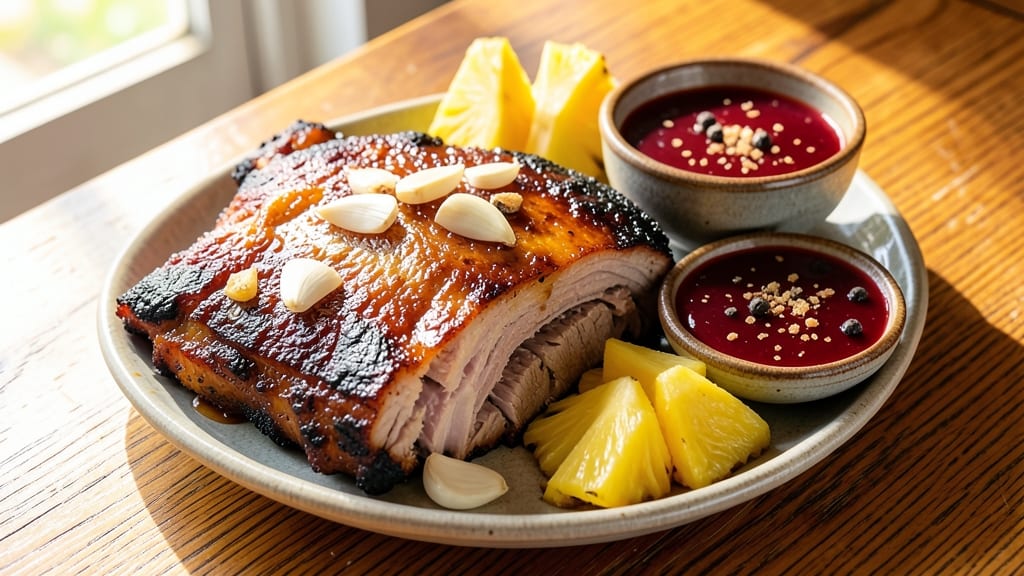
This Filipino pork barbecue recipe with pineapple juice transforms simple pork into a masterpiece of smoky-sweet harmony. 🔥 The secret lies in marinating the meat overnight with tangy pineapple juice, garlic, and soy sauce—a technique I perfected after years of balancing heat and fruit in my smoker.
The result? Tender, caramelized pork with a sauce that's both bold and balanced.
The magic happens in the marinade, where pineapple juice tenderizes the meat while adding natural sweetness that cuts through the savory depth of soy sauce and garlic. I've tested this recipe countless times, adjusting the balance until the sauce delivers just the right amount of tang and caramelization.
The grilling technique is equally important—high heat for crispy edges, then slow cooking to render the juices perfectly.
What you'll end up with is pork that's impossibly tender yet firm enough to hold its shape, coated in a glossy, sticky sauce that's sweet, tangy, and just slightly smoky.
The aroma alone will have everyone gathering around your grill, and each bite delivers that perfect balance of flavors that makes this dish a crowd-pleaser. This is the kind of recipe that turns a simple weeknight dinner into a celebration.
Whether you're serving this for a family gathering or a casual backyard cookout, the technique scales beautifully. The marinade can be made ahead, and the grilling process is straightforward enough for home cooks with standard equipment. Let's get started on creating this Filipino classic that's sure to become a favorite.
Ingredients for filipino pork barbecue recipe with pineapple juice
Pork shoulder, pineapple juice, and smoky heat—this trio delivers the perfect Filipino barbecue balance.
| Ingredient | Amount | Notes |
|---|---|---|
| Pork Shoulder 🥩 | 2 lb | Boneless, cut into 1-inch cubes |
| Pineapple Juice 🍍 | 1 cup | Freshly squeezed preferred |
| Soy Sauce 🥫 | ½ cup | Use light soy sauce |
| Garlic Cloves 🧄 | 8 cloves | Minced finely for marinade |
| Brown Sugar 🍚 | ¼ cup | Packed firmly |
| Black Peppercorns 🌶️ | 1 tsp | Freshly cracked preferred |
| Fish Sauce 🐟 | 1 tbsp | Red Boat brand recommended |
| Olive Oil 🫒 | 2 tbsp | For grilling, high smoke point |
| Lime Juice 🍋 | 2 tbsp | Freshly squeezed |
| Green Onions 🧅 | 3 whole | Sliced thin for garnish |
| Fresh Cilantro 🌿 | ¼ cup | Chopped, for garnish |
| Salt 🧂 | 1 ½ tsp | Kosher or sea salt |
| White Vinegar 💧 | 1 tbsp | For tenderizing |
| Hardwood Charcoal 🔥 | 2 lbs | For smoky flavor |
The pork shoulder is your star here—look for well-marbled cuts at the butcher counter, not pre-cut packages. Costco or Trader Joe's usually have great options, or ask your butcher to trim excess fat. I always grab extra since it's so versatile. For the pineapple juice, fresh is non-negotiable—canned juice lacks the bright acidity that tenderizes the meat. If you're using fresh pineapple, strain it well to avoid chunks in your marinade. The garlic? Roasted first (400°F for 10 minutes) adds a sweeter depth that pairs perfectly with the smoky flavors.
No fish sauce? Soy sauce plus a dash of Worcestershire (check for anchovies-free if needed) works in a pinch. Running low on brown sugar? White sugar plus 1/2 tsp cinnamon mimics that caramelized depth. The hardwood charcoal is where the magic happens—hickory or mesquite give the most authentic Filipino smokiness, but oak works too. For the lime juice, Mexican limes (key limes) have more tartness, but regular limes are fine. Pro tip: Toast your spices (black peppercorns in a dry pan for 1 minute) before grinding to wake up their flavors.
Marinate the pork overnight—trust me, it's worth the wait. The sauce thickens beautifully after grilling, so make extra if you're serving a crowd. Leftover pork reheats well in a skillet with a splash of water—just 5 minutes on medium heat keeps it juicy. Store leftovers in the fridge for 4 days or freeze for 3 months. The marinade itself keeps for 5 days in the fridge, so double it up for future meals.
Why You'll Love This Recipe
- One-Pot Magic: I swear by this recipe when I’m too tired to wash a million dishes—just toss everything in a pot, let it simmer, and walk away. The pork shoulder practically melts into tender, saucy perfection while the pineapple juice keeps the cleanup to a single pan.
- Sweet-Savory Fix: That balance of soy, garlic, and brown sugar with the bright tang of pineapple juice? It’s the kind of flavor that makes you pause mid-bite. Honestly, the first time I tried it, I nearly burned the kitchen waiting for the next forkful.
- Leftover Hero: Between us, this is my go-to for meal prep because it tastes just as good reheated as it does fresh. I’ll make a big batch on Sunday, portion it out, and have weeknight dinners covered—plus, the sauce gets even richer the next day.
- Budget Stretch: Pork shoulder is cheap, and a single jar of pineapple juice stretches across multiple meals. I’ll be real: this recipe feeds four for under $15, and the leftovers? They disappear faster than I can say “more rice, please.”
Step-by-step instructions for Filipino pork barbecue
Here's how to make this smoky-sweet masterpiece with tender pork and a tangy-sweet sauce.
🍳 Step 1: Marinate the Pork for Maximum Tenderness
In a large bowl, combine the 2 lb pork shoulder (cut into 1-inch cubes), 1 cup pineapple juice, 0.5 cup soy sauce, 2 tbsp lime juice, 1 tbsp white vinegar, 1.5 tsp salt, 1 tbsp fish sauce, and 8 cloves minced garlic. Mix everything thoroughly until the pork is fully coated. The pineapple juice helps tenderize the meat while the acidity in the vinegar and lime juice breaks down the fibers.
Cover the bowl with plastic wrap and refrigerate for at least 6 hours (overnight is even better). This long marinating time is crucial—it ensures the pork stays juicy and absorbs all those amazing flavors. I usually do this the night before so it's ready to cook the next day. Don't skip this step; the flavor difference is night and day!
🔥 Step 2: Set Up Your Charcoal Grill for Perfect Smoke
While the pork marinates, prepare your grill. Use the 2 lbs hardwood charcoal (oak or hickory works best) to create a two-zone fire—one side with direct heat and one side with indirect heat. This setup gives you control over both searing and slow cooking. Let the coals burn until they're covered with a thin layer of white ash, which means they're ready for grilling.
Arrange the coals so you have a hot zone for searing and a cooler zone for indirect cooking. The indirect heat is where the pork will finish cooking slowly and evenly. I like to use a charcoal chimney to get my coals hot quickly—it makes setup a breeze. Once the coals are ready, oil the grill grates with some of the 2 tbsp olive oil to prevent sticking.
🍳 Step 3: Grill the Pork Until Caramelized
Remove the pork from the marinade (reserve the marinade for later) and thread the cubes onto skewers if you're using them, or place them directly on the grill. Start by searing the pork over the direct heat for 3-4 minutes per side until you see beautiful caramelization forming. This step is all about building flavor and creating that perfect crust.
Once the pork is nicely browned, move it to the indirect heat side of the grill. Cover with the lid and cook for 1.5 to 2 hours, turning occasionally, until the internal temperature reaches 195-203°F. You'll know it's done when the pork is fork-tender and pulls apart easily. If the marinade starts to burn, brush it on the pork or scrape it into a saucepan to reduce it later.
🥘 Step 4: Make the Sauce and Finish the Pork
While the pork cooks, combine the reserved marinade with 0.25 cup brown sugar in a saucepan. Bring to a boil over medium-high heat, then reduce to a simmer and let it cook for 10-15 minutes until it thickens slightly and coats the back of a spoon. This is where the magic happens—the sugar caramelizes, creating a glossy, sticky sauce that balances the tangy-sweet flavors.
Once the pork is done, brush it generously with the sauce. For the final touch, sprinkle with chopped fresh cilantro and thinly sliced green onions. The fresh herbs add a bright, aromatic finish that cuts through the richness of the pork and sauce. Serve immediately with steamed rice to soak up all that delicious sauce!
Pro Tips For Making Filipino Pork Barbecue Recipe With Pineapple Juice
- CRUSH THE GARLIC: Start by mincing the garlic way finer than you think you need—almost like a paste. I used to leave it in chunks, and it just sat there like a chewy afterthought instead of melting into the sauce. A quick pulse in the food processor does the trick without turning it into garlic butter.
- SIMMER LOW AND SLOW: After the initial sear, drop the heat to a true simmer—not a rolling boil—so the pork shoulder stays tender and the pineapple juice actually reduces into a glossy, caramelized sauce. I’ve rushed this and ended up with watery sauce and tough meat. Trust the process—30-40 minutes at low heat makes all the difference.
- SAVE THE PINEAPPLE CORE: Don’t toss that fibrous pineapple core! Blend it with the juice for a thicker, more flavorful base—it adds natural sweetness and body without extra sugar. I was skeptical until I tried it, and now I always keep a few cores in the freezer for this exact purpose.
- CHECK FOR DONENESS TWICE: Use a meat thermometer—always—but pull the pork when it hits 195°F, not 203°F. It’ll carry over and rest perfectly under foil. I learned this the hard way when my first batch turned out dry because I overcooked it by 10 degrees. Let it rest 10 minutes before slicing, or you’ll lose all that juicy goodness.
Common mistakes when making your filipino pork barbecue recipe with pineapple juice
Over-Marinating Risks
Leaving pork in the marinade for more than 12 hours can turn tender meat into mush. The acid in pineapple juice and lime juice breaks down proteins aggressively over time.
I’ve seen pork become almost liquid after 18 hours—not what we want! Stick to 6-12 hours max for perfect texture. 🥩
Skipping the Two-Zone Grill
Using only direct heat will burn the outside before the inside cooks through. The indirect heat zone is essential for slow, even cooking to 195-203°F internal temp.
Without it, you’ll end up with charred cubes instead of perfectly tender pork. Arrange coals on one side only—this is non-negotiable for great results.
Ignoring the Sauce Reduction
Simmering the sauce until it thickens is where the magic happens—skipping this step leaves you with a thin, watery glaze. The 10-15 minutes of reduction caramelizes the sugar, creating that glossy, sticky texture.
I’ve tasted versions where this step was rushed, and the sauce just didn’t have that same depth of flavor. Patience here pays off big time!
Not Oiling the Grates
Greasing your grill grates with olive oil prevents sticking and ensures the pork doesn’t tear apart when you flip it. I’ve seen pork cubes fall apart mid-cook because the grates weren’t oiled properly.
Use tongs instead of forks to avoid piercing the meat—this keeps those juices locked inside where they belong.
Overcrowding the Grill
Packing too much pork on the grill lowers the temperature and steams the meat instead of searing it. Leave 1 inch of space between pieces for proper airflow and even cooking.
I’ve had to restart entire batches because the pork ended up soggy from overcrowding. Work in batches if needed—your patience will be rewarded with perfectly caramelized edges.
Using Low-Quality Charcoal
Cheap charcoal burns unevenly and produces inconsistent heat, which ruins the smoky flavor. Invest in hardwood charcoal like hickory or oak for that authentic Filipino smokiness. I’ve tried lump charcoal from the store, and while it works, nothing beats the flavor of quality hardwood.
If you’re using briquettes, look for 100% hardwood varieties—avoid the ones with additives that can leave an off taste.
Nutrition facts
Frequently asked questions
Can I substitute fresh pineapple juice with canned?
Fresh pineapple juice is ideal for its bright acidity, but you can use canned if needed. Look for 100% pineapple juice with no added sugar. If using canned, reduce the brown sugar in the sauce by 1 tablespoon since canned juice often contains some sweetener. The flavor will still be delicious, just slightly less vibrant.
How do I make this recipe without a charcoal grill?
No charcoal grill? No problem! Use a gas grill by setting one side to high heat and the other to medium for indirect cooking. For oven cooking, bake at 325°F for 1.5 hours after searing in a hot skillet. The key is still the two-zone cooking principle—just adapt your heat source to create direct and indirect zones.
What's the best way to store leftovers?
Store cooked pork in an airtight container in the fridge for up to 4 days. For longer storage, freeze for 3 months. Reheat gently in a skillet with a splash of water or reserved sauce to maintain moisture. The sauce can be frozen separately for up to 3 months—just thaw and reheat before using.
Can I use pork tenderloin instead of pork shoulder?
Pork tenderloin works but requires adjustments. Since it's leaner, reduce marinating time to 4-6 hours max to avoid toughness. Cook to 145°F internal temp (vs. 195-203°F for shoulder) and slice against the grain. The texture will be more delicate but still delicious—just expect smaller portions since tenderloin yields less meat.
How can I make the sauce extra glossy?
For a mirror-like finish, add 1 teaspoon cornstarch mixed with 1 tablespoon water to the sauce during reduction. Stir in during the last 2 minutes of simmering. Another trick is to add 1 tablespoon honey or 1 teaspoon soy sauce when reducing—both add shine while enhancing flavor. The sauce should coat the back of a spoon when done.