
Sauces & Condiments
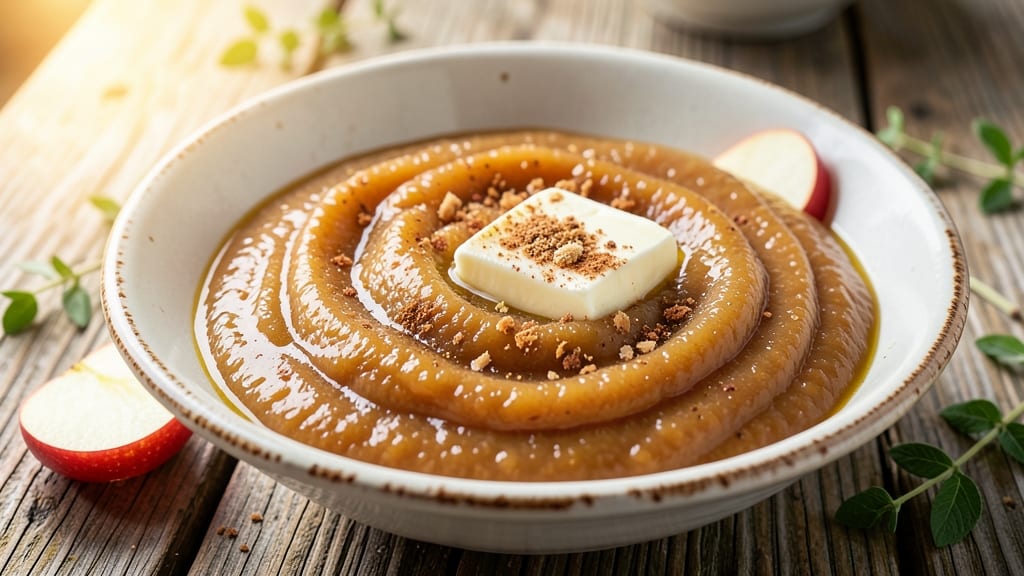
This old-fashioned applesauce recipe brings back the cozy flavors of childhood—no added sugar, just sweet-tart apples simmered with warming spices. The secret lies in peeling and coring apples properly, then cooking them down into a thick, fragrant sauce that’s perfect for topping pancakes or pairing with meats.
I’ve perfected this method over years of testing, ensuring every batch delivers that nostalgic taste without compromise.
The process is simpler than you’d expect: just apples, cinnamon, nutmeg, and a touch of lemon juice to brighten the flavor. No water is needed—this traditional approach concentrates the natural sweetness while creating a texture that’s smooth yet still slightly rustic.
The spices infuse deeply as the apples soften, resulting in a sauce that’s aromatic and balanced, with just the right hint of warmth.
What you’ll end up with is a versatile condiment that’s naturally sweetened and packed with spice—ideal for pairing with holiday dishes, breakfast foods, or even as a topping for oatmeal.
The sauce thickens beautifully as it cools, making it easy to store in the fridge for up to a week or freeze for longer shelf life. Whether you prefer it chunky or smooth, this recipe delivers on both fronts.
One of the best parts? This applesauce is incredibly adaptable—use it in baking, as a spread, or even as a healthy snack on its own. The natural sweetness and spiced depth make it a standout in any meal. Ready to make it? Let’s get started with the ingredients.
Ingredients for old fashioned apple sauce
Four pounds of apples, a handful of spices, and just enough lemon to brighten.
| Ingredient | Amount | Notes |
|---|---|---|
| Apples (McIntosh or Honeycrisp) 🍎 | 4 lb | Peeled, cored, sliced into even pieces |
| Ground Cinnamon 🌿 | 2 tbsp | Freshly ground preferred |
| Ground Nutmeg 🌿 | ½ tsp | Freshly grated for best flavor |
| Fresh Lemon Juice 🍋 | 2 tbsp | Brightens the natural sweetness |
| Unsalted Butter 🧈 | 1 tbsp | Optional, for richness |
| Granulated Sugar (optional) 🍚 | ¼ cup | Only if apples need extra sweetness |
| Vanilla Extract 🥄 | ½ tsp | Pure vanilla for depth |
The apples are the heart of this recipe—McIntosh or Honeycrisp work best for their natural sweetness and tartness. Look for firm, unblemished fruit at local orchards or farmers markets, where the flavor is often superior to grocery store apples. If using grocery store apples, organic is ideal to avoid wax coatings. Peeled and cored properly, they’ll cook down evenly to a thick, fragrant sauce. The cinnamon should be freshly ground—pre-ground loses potency quickly. For nutmeg, a microplane gives you the freshest, most aromatic texture.
No fresh cinnamon? Penzeys or Spicewalla sell high-quality ground cinnamon in small jars, perfect for this recipe. Short on apples? Granny Smiths add tartness—mix them in with sweeter varieties. The optional sugar is truly optional—this recipe relies on the apples’ natural sweetness, but if yours are particularly tart, a quarter cup of sugar balances the flavor. For a richer texture, the butter adds a lovely sheen, though it’s not necessary. The vanilla extract enhances the warm spice notes—pure vanilla extract is best, but imitation works in a pinch.
Applesauce keeps beautifully in the fridge for up to 1 week in an airtight container, or 6 months in the freezer. For smooth applesauce, press it through a sieve after cooking; for rustic texture, leave it slightly chunky. The sauce thickens as it cools, so don’t worry if it seems thin while hot. Store in glass jars for the best flavor retention, and always leave a little headspace to prevent spills. Portion into ice cube trays for single-serving use—perfect for pancakes or oatmeal.
Why You'll Love This Recipe
- No Peel, No Stress: I swear by McIntosh apples here—just core and chop, no peeling fuss. The skin adds texture, and the lemon juice keeps it bright, so you’re not stuck scrubbing apples while dinner burns.
- Spiced Like Fall Morning: That cinnamon-nutmeg combo isn’t just "warm"—it’s cozy. A pinch of nutmeg (don’t skimp) turns this from basic applesauce into something that tastes like a hug in a jar, especially with that butter swirled in at the end.
- Pantry Staple Magic: Use it on toast, dollop it into oatmeal, or serve it with pork chops—this stuff disappears fast. Honestly, I’ve even sneaked it into muffins when I’m lazy. The lemon keeps it from getting cloying, so it plays nice everywhere.
- Lasts a Week, Costs Pennies: A big batch feeds us for days—breakfast, snacks, or even a quick dessert. Apples and spices are cheap, and the butter just adds richness without breaking the bank. Plus, it freezes perfectly if you’re not a fast eater.
Step-by-step instructions for old fashioned applesauce
This method preserves the natural sweetness of apples while building rich spice flavors through slow cooking.
Prepare and Cook the Apple Base
In a large, heavy-bottomed pot, combine the 4 lb of peeled, cored, and sliced apples. I use a Dutch oven for even heat distribution. Add the 2 tbsp of fresh lemon juice and bring to a gentle boil over medium-high heat. Once boiling, reduce heat to medium-low and let the apples simmer uncovered for 15-20 minutes, stirring occasionally.
You'll notice the apples break down and release their juices. This initial cooking step is crucial—it softens the apples while preserving their natural structure. The lemon juice prevents browning and enhances the apples' sweetness. If the apples aren't releasing enough liquid, you can add ¼ cup water at this stage, but don't overdo it.
Add Spices and Sweeteners
Once the apples have softened and are releasing juice, stir in the 2 tbsp of ground cinnamon and 0.5 tsp of ground nutmeg. These spices will infuse deeply during the cooking process. If you're using the optional 0.25 cup of granulated sugar, add it now and stir well to dissolve. The sugar should blend completely with the apple juices.
Here's the thing—don't rush this step. Let the spices bloom for 5 minutes while the mixture continues to simmer gently. You'll smell the warm, comforting aroma of cinnamon and nutmeg filling your kitchen. This is where the old-fashioned character of the applesauce begins to develop. If you taste the apples now, you'll notice their natural sweetness is already enhanced by the spices.
Simmer Until Perfectly Thick
Continue simmering the applesauce uncovered for an additional 20-25 minutes, stirring occasionally. You're looking for a texture that's thick but still slightly loose—it should coat the back of a spoon but not be gluey. The apples should be completely tender, with no resistance when you press them with a fork.
I check for doneness by spooning a small amount onto a chilled plate. When it's ready, the applesauce should hold its shape when spooned but still have a slight sheen from the juices. If it's too thin, continue simmering for another 5 minutes. If it's too thick, you can add 1-2 tablespoons of water to adjust the consistency. The key is balance—thick enough to coat, but still with a pleasant mouthfeel.
Finish with Butter and Vanilla
Remove the pot from heat and let the applesauce cool slightly for 2-3 minutes. Then stir in the 1 tbsp of unsalted butter and 0.5 tsp of vanilla extract. The butter adds a lovely richness that rounds out the spices, while the vanilla provides depth. Stir until the butter is completely melted and incorporated—you should see a glossy sheen on the surface.
This final step is where the applesauce comes together. The butter and vanilla not only enhance the flavor but also create a velvety texture. Taste the applesauce now—it should be perfectly balanced between the natural sweetness of the apples, the warmth of the cinnamon, and the subtle earthiness of the nutmeg. If it needs more sweetness, you can add a bit more of the optional sugar, but with high-quality apples, you often won't need it.
Serve or Store Properly
Transfer the applesauce to a clean bowl or jar while it's still warm. Serve immediately for the best texture and flavor, or let it cool completely before storing. For short-term storage, keep it in the refrigerator for up to 5 days. For longer storage, transfer to a clean, sterilized jar and freeze for up to 3 months.
When reheating, I prefer to do it gently. Place the jar in a saucepan with 1 inch of hot water and heat over low heat until warmed through. This method preserves the texture and prevents the applesauce from becoming watery. The old-fashioned method yields a product that's far superior to canned versions—rich, spiced, and full of natural apple flavor.
Pro Tips For Making Old Fashioned Apple Sauce
- Peel and Core Like a Pro: I learned this the hard way—skinning apples before dicing saves you from chasing stray peels into the pot later. Use a sharp paring knife and cut just under the skin in one continuous spiral, then slice the core out in one piece. (Yes, it looks weird, but it works every time.)
- Simmer Low and Slow: Start on medium-high to break down the apples fast, but once they’re tender, drop the heat to a gentle simmer. Rushing this step turns your sauce into mush; let it cook for 15-20 minutes uncovered so the flavors meld and excess liquid evaporates naturally.
- Skip the Pre-Measure Spices: Add cinnamon and nutmeg directly to the pot with the apples, then taste as you go. Pre-weighing them risks overdoing it—ground spices lose potency fast, and you’ll end up with a cloying sweetness instead of warm depth. Start with ½ teaspoon each, adjust to taste.
- Finish with Butter and Acid: Fold in the butter off the heat at the very end—it coats the apples and adds richness without breaking them down further. A splash of fresh lemon juice (about 1 tablespoon) brightens the whole dish, but add it last so the acidity doesn’t cook off. (Your future self will notice the difference.)
Serving suggestions for old fashioned apple sauce
Breakfast Pairings
This applesauce is a game-changer for breakfast—try it warm over fluffy pancakes or buttermilk waffles for a naturally sweet topping that cuts through richness. I like to dollop it alongside scrambled eggs with a sprinkle of crumbled bacon for a balanced plate.
For a heartier option, serve it with oatmeal and a pinch of sea salt to enhance the apple's natural sweetness. 🥞
Holiday Side Dishes
Elevate your holiday table by serving this applesauce alongside roasted pork tenderloin or herb-crusted chicken. The warm spices complement the savory flavors beautifully. For a vegetarian option, pair it with stuffed acorn squash or roasted Brussels sprouts—the cinnamon and nutmeg add a cozy touch.
I also love it as a topping for cinnamon rolls or apple crumble bars during dessert time.
Grazing & Snacks
Don’t underestimate this applesauce as a standalone treat! Serve it chilled in small glass jars with a wooden spoon for an elegant snack. Pair it with sharp cheddar cheese cubes or sliced salami for a sweet-and-salty combo.
For a kid-friendly option, spread it on toasted bagels or whole-grain crackers—it’s a healthier alternative to jam. The texture holds up perfectly for snacking, whether chunky or smooth.
Baking Booster
Use this applesauce in place of oil or butter in muffin recipes—it keeps baked goods moist without adding extra fat. I’ve had great success with apple-cinnamon muffins or spiced apple bread. For a twist, stir it into pancake batter for extra flavor and moisture.
The natural sweetness reduces the need for added sugar, making your baked goods lighter. It also works well in apple pies or turnovers for a rustic, spiced filling.
Savory Surprises
Think beyond sweet applications—this applesauce adds depth to glazed ham or braised pork chops. Simmer it with a splash of apple cider vinegar and honey for a tangy glaze.
I’ve also used it as a topping for grilled cheese sandwiches with caramelized onions—the cinnamon pairs surprisingly well with sharp cheddar. For a unique twist, mix it into barbecue sauce for a fruity, spiced twist on classic ribs.
Presentation Tips
For a restaurant-worthy look, serve the applesauce in small glass ramekins with a dusting of ground cinnamon on top. Garnish with a sprig of fresh thyme or a cinnamon stick for a festive touch.
If freezing for later, portion it into silicone molds or ice cube trays for easy single servings. The golden hue and spiced aroma make it a showstopper on any table. ✨
Nutrition facts
Frequently asked questions
Can I use any type of apples for this recipe?
While you can use most apples, McIntosh or Honeycrisp work best for their natural sweetness and tartness. For a balance, mix Granny Smiths (tart) with sweeter varieties like Gala. Avoid overly mealy apples like Red Delicious, as they won't hold up well during cooking.
Why does your recipe call for peeling the apples?
Peeling ensures a smoother texture and prevents bitterness from the skin. Traditional old-fashioned recipes often include peeling because it creates a more refined sauce. If you prefer a rustic look, leave the skins on—but expect slightly more texture and potential bitterness from certain apple varieties.
How do I adjust the sweetness if my apples are very tart?
Start with the optional ¼ cup sugar, but taste as you go. For extra sweetness, add 1-2 tbsp honey or maple syrup at the end. The key is balance—too much sugar can overpower the natural apple flavor. Tart apples work beautifully with this recipe when paired with the right spices!
Can I make this applesauce in a slow cooker?
Yes! Combine all ingredients in your slow cooker and cook on low for 4-5 hours, stirring occasionally. The texture will be slightly thicker, so add 1-2 tbsp water if needed. The slow cooking enhances the spice flavors beautifully—just be sure to stir well before serving for even consistency.
What's the best way to reheat stored applesauce?
For fridge-stored sauce, transfer to a saucepan with 1 inch of water and heat on low until warmed through. Avoid microwaving—it can make the texture watery. For frozen sauce, thaw overnight in the fridge first, then reheat gently. The slow method preserves that perfect old-fashioned consistency!