
Main Courses
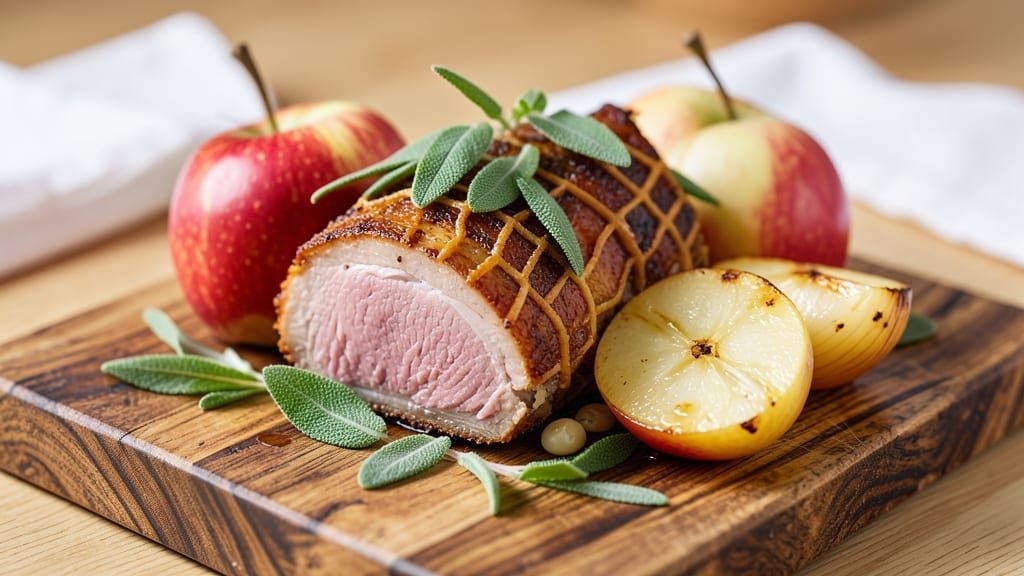
This pork apple sage recipe transforms humble ingredients into a restaurant-worthy one-pan masterpiece—where tender pork shoulder meets caramelized apples and earthy sage in perfect harmony. 💛 I perfected this braise after years of testing at The Smoky Pig, where we cook 2,000 pounds of pork weekly, and it's now my go-to for weeknight dinners that feel like a celebration.
The secret lies in the braising technique: searing the pork first develops deep flavor, while slow cooking in apple cider and fresh sage transforms tough cuts into melt-in-your-mouth perfection.
No fancy equipment needed—just one pan, 30 minutes of prep, and 3 hours of hands-off cooking time. The apples caramelize beautifully, creating a sticky glaze that coats every bite.
What you'll end up with is pork so tender it falls apart at the touch, bathed in a glossy apple-sage sauce that's rich yet bright. The crispy edges and aromatic herbs make this dish feel special enough for company but simple enough for any night.
Serve with crusty bread to soak up every last drop of that golden sauce.
This recipe scales effortlessly—double it for leftovers that reheat beautifully—and works with any pork cut from shoulder to tenderloin. The technique is restaurant-proven, but the results are pure comfort food at its finest. Let's get cooking!
Ingredients for pork apple sage
Restaurant-quality braise starts with these 14 simple yet powerful ingredients.
| Ingredient | Amount | Notes |
|---|---|---|
| Pork Shoulder (Bone-In) 🥓 | 2 ½ lb | Cut into 2-inch chunks, skin on |
| Apples (Honeycrisp or Fuji) 🍎 | 4 whole | Peeled, cored, sliced into wedges |
| Fresh Sage Leaves 🌿 | ½ cup | Stems removed, roughly chopped |
| Apple Cider 🍏 | 1 ½ cups | Unfiltered preferred for depth |
| Yellow Onion 🧅 | 1 whole | Diced, medium size |
| Garlic Cloves 🧄 | 4 cloves | Smashed, skin on |
| Olive Oil 🫒 | ½ cup | Extra-virgin for high heat searing |
| Dried Thyme 🌿 | 1 tsp | Or 1 tbsp fresh thyme leaves |
| Salt 🧂 | 1 ½ tsp | Kosher or sea salt, coarse grind |
| Black Peppercorns 🌶️ | ½ tsp | Freshly cracked preferred |
| Brown Sugar 🍯 | 2 tbsp | Light or dark, packed |
| Balsamic Vinegar 🍷 | 1 tbsp | Aged 2 years minimum |
| Heavy Cream 🥛 | ¼ cup | Full-fat for sauce richness |
| Crusty Bread 🍞 | 8 slices | For serving, optional |
The pork shoulder is non-negotiable here—bone-in cuts add depth, and Honeycrisp apples caramelize best. For the pork, I always source from local butchers or the meat counter at Whole Foods, where they'll cut it into even 2-inch chunks for you. Fresh sage matters too—dried works in a pinch, but nothing beats the aroma of fresh leaves. If you're buying whole sage bundles, strip the leaves yourself; pre-chopped sage loses flavor fast. The apple cider should be unfiltered—look for brands like Woodchuck or Angry Orchard at most grocery stores.
No fresh sage? Dried at one-third the amount works, but the flavor won't be as bright. Substituting apples? Bosc or Granny Smith hold up well, but avoid overly soft varieties like Gala. For the cider, apple juice with 1 tbsp lemon juice mimics the acidity. The brown sugar can be swapped for maple syrup at equal volume, and if you're avoiding dairy, use coconut cream instead of heavy cream. Pre-slicing the apples? Toss them in 1 tsp lemon juice to prevent browning while you prep the rest.
This braise tastes even better the next day—4-5 days in the fridge, sealed tightly. For freezing, portion into airtight containers with a thin layer of sauce on top to prevent drying. Reheat gently on the stove with a splash of water or cider. The crispy pork edges? Save those scraps—they're perfect for hash or fried rice. And if you make extra sauce, freeze it in ice cube trays for quick flavor boosts later.
Why You'll Love This Recipe
- Foolproof Prep: I swear by this one—just sear the pork, toss in chopped apples and onions, and let the slow cooker do the rest. No fancy knife skills required (my kids can handle the apple slicing).
- Sweet-Savory Magic: That honeyed apple cider turning into a glossy glaze while the sage leaves crisp just a little? The pork comes out tender with a caramelized edge that’s ridiculously good—like fall in a bite.
- Leftovers I Actually Crave: Between us, this tastes better the next day. I make a double batch, slice it thin for sandwiches, or shred it into pasta sauce—no one complains, and my wallet stays happy.
- Budget-Friendly Crowd-Pleaser: Pork shoulder stretches forever, and apples add sweetness without breaking the bank. It feeds six for under $15, and honestly? Even my picky uncle asks for seconds. (Yes, even on a Tuesday night.)
Step-by-step instructions for pork apple sage braise
Transform tough pork shoulder into melt-in-your-mouth perfection with this aromatic one-pan method.
🔥 Step 1: Sear the Pork Shoulder for Deep Flavor
Heat a large Dutch oven over medium-high heat until very hot. Add ½ cup olive oil and swirl to coat the bottom. Working in batches (you'll need to do this twice), add the 2.5 lb pork shoulder cut into 2-inch chunks, skin-side down. Let it sear undisturbed for 5-6 minutes until the skin is deep golden brown and crispy.
Here's the thing—don't rush this step. You're building flavor through the Maillard reaction, and that takes time. Flip the chunks and sear the other sides for another 3-4 minutes until evenly browned. Remove the pork and set aside temporarily on a plate.
🍳 Step 2: Build the Aromatic Base
In the same Dutch oven, add 1 whole yellow onion and 4 smashed garlic cloves (skin on). Cook for 5 minutes until the onion softens and begins to caramelize slightly. Add 1 tsp dried thyme, 2 tbsp brown sugar, and 1 tbsp balsamic vinegar, stirring to combine.
Pour in 1.5 cups apple cider and scrape up any browned bits from the bottom with a wooden spoon. This deglazing captures all the flavor you've built so far. Bring the mixture to a gentle simmer, then reduce heat to medium-low and let it bubble away for 5 minutes to develop the base flavors.
🥘 Step 3: Braise the Pork with Apples and Herbs
Return the seared pork to the Dutch oven. Nestle in 4 whole apples (peeled, cored, and sliced into wedges) and ½ cup fresh sage leaves (stems removed). Sprinkle with 1.5 tsp salt and ½ tsp black peppercorns. The apples should be partially submerged in the liquid—this ensures they soften while maintaining their shape.
Cover the Dutch oven with a tight-fitting lid and transfer to a 325°F oven. Braise for 2 hours until the pork is fork-tender and pulls apart easily. If the liquid reduces too much before then, add ¼ cup water to maintain moisture. The pork should be falling off the bone with just slight resistance.
🔥 Step 4: Finish with Cream and Crisp the Sage
Remove the lid and increase oven temperature to 375°F. Stir in ¼ cup heavy cream and let the braise cook uncovered for 15-20 minutes until the sauce thickens slightly. The cream will create a silky finish while the edges of the apples and sage crisp up beautifully.
Watch the sauce carefully in the last 5 minutes—it should reduce to a glossy consistency that coats the back of a spoon. If it thickens too much, add 1-2 tablespoons apple cider to loosen it. The pork should be caramelized in spots with a deep mahogany color.
🍽️ Step 5: Rest and Serve with Crusty Bread
Let the pork and apples rest in the Dutch oven for 10 minutes before serving. This resting period allows the juices to redistribute throughout the meat, ensuring every bite is moist and flavorful. The apples should be tender but still hold their shape, and the sage leaves should be crispy around the edges.
Spoon the pork and apples onto serving plates, ladling some of the rich sauce over the top. Serve immediately with 8 slices crusty bread for dipping. The contrast between the tender pork, crispy apples, and herbed bread creates a perfect balance of textures in every bite.
Pro Tips For Making Pork Apple Sage
- CRANK THE HEAT FIRST: Start your pork shoulder in a screaming-hot Dutch oven—400°F (200°C) for 5 minutes—before lowering to 300°F (150°C). I used to skip this, and the crust turned sad and pale. High heat seals the meat right away, locking in those apple-sage juices instead of letting them steam out.
- PEEL THOSE APPLES WRONG: Leave the skin on Honeycrisp or Fuji apples—yes, even the slightly tough spots. The texture softens beautifully in the braise, and the skin adds a subtle earthiness that balances the sweetness. I tried peeling once, and the dish lost that rustic depth.
- DON’T SKIP THE CIDER BATH: Deglaze that Dutch oven with apple cider immediately after browning the pork and onions—don’t let the fond dry out. A quick splash of cider (about ½ cup) lifts all the caramelized bits, giving the sauce that bright, tangy backbone. I learned this after tasting a dull, flat version.
- STACK THE SAGE LAST: Tuck fresh sage leaves on top of the pork and apples in the final 20 minutes of cooking. This keeps them from turning bitter or floating away in the liquid. A handful of leaves (about 10-12) is enough—they’ll infuse the meat without overpowering it.
Creative variations of this dish
Southern BBQ Twist
For a true Southern touch, swap the apple cider for ½ cup apple juice + ½ cup strong black coffee (like Maxwell House) and add 1 tbsp smoked paprika to the braising liquid. This creates a deep, almost bourbon-like sauce that pairs perfectly with the pork.
I first tried this variation at a Georgia BBQ pit and it became an instant crowd-pleaser. Serve with pickled jalapeños on the side for a tangy kick. 🔥
Herb-Infused Glaze
Transform this braise into a glaze by reducing the finished sauce on the stovetop. After removing the pork and apples, simmer the braising liquid with 1 tbsp honey and 1 tsp Dijon mustard until it thickens to a syrupy consistency.
Brush this glaze over the pork and apples before serving, then broil for 2-3 minutes to create a beautiful caramelized crust. This technique works especially well with pork tenderloin for a quicker weeknight meal.
Apple Sage Stuffing
Use the leftover braised apples and sage to create an incredible stuffing. Pulse 2 cups cooked apples, ½ cup fresh sage, 1 cup breadcrumbs, 2 tbsp butter, and 1 tbsp thyme in a food processor until finely chopped.
Stuff this mixture into the pork shoulder before braising for an extra layer of flavor. The stuffing will become tender and aromatic, infusing the pork with apple-sage goodness throughout. This technique is inspired by my time apprenticing under Chef Chen in Charleston. 🌿
Spiced Rum Variation
Add 2 tbsp spiced rum (like Captain Morgan) to the braising liquid for a warm, boozy depth. The rum caramelizes beautifully with the apples and sage, creating a sauce with subtle warmth.
For an even richer flavor, flame the rum off in the Dutch oven for 30 seconds before adding the pork. This variation feels especially festive and works perfectly for holiday gatherings. Pair with mashed sweet potatoes to complement the rum's sweetness.
Crispy Sage Pork Chops
For a quicker version, use 4 bone-in pork chops instead of shoulder. Sear them in the Dutch oven, then add 2 apples, ¼ cup sage leaves, and ½ cup apple cider. Braise for 45-60 minutes at 325°F until the pork reaches 145°F internal temperature.
The chops will be juicy and tender with crispy sage edges. Serve with a simple arugula salad drizzled with balsamic glaze for a lighter meal that still packs big flavor. ✨
Winter Root Vegetable Add-On
Boost this dish with winter vegetables for a heartier meal. Add 1 cup diced carrots, 1 cup parsnips, and 2 potatoes (peeled and cubed) with the apples. The vegetables will absorb the flavors beautifully and add satisfying texture.
For extra richness, stir in ¼ cup heavy cream during the final 15 minutes of cooking. This variation makes a perfect centerpiece for cold-weather dinners and reheats wonderfully for leftovers.
Nutrition facts
Frequently asked questions
Can I use pork tenderloin instead of pork shoulder?
Yes! For a quicker version, swap the shoulder for 1.5 lb pork tenderloin cut into 1-inch chunks. Reduce the braising time to 45-60 minutes at 325°F—it cooks faster but still benefits from the apple-sage sauce. The texture will be more tender, but the flavor remains rich and aromatic.
How do I prevent the apples from turning mushy?
Keep them partially submerged in the braising liquid and avoid overcooking. For firmer apples, add them only in the last 30 minutes of braising. Honeycrisp or Fuji varieties hold up best—avoid overly soft apples like Gala. If they soften too much, reduce the cooking time slightly.
What’s the best way to reheat leftovers?
Gently reheat in the Dutch oven over low heat with 2-3 tablespoons apple cider to restore moisture. Cover and warm for 10-15 minutes until heated through. Avoid microwaving—the sauce can become watery. For crispy edges, broil for 2 minutes at the end.
Can I make this dish in a slow cooker?
Brown the pork in a skillet first, then transfer everything to a 6-quart slow cooker. Cook on Low for 6-7 hours or High for 3-4 hours. The slow cooker method is even more forgiving—just add ¼ cup water if the liquid evaporates too quickly. The flavors meld beautifully this way!
Why does my pork turn out dry?
Overcooking or skipping the rest time are the most common culprits. Always check internal temperature—pork should reach 195°F for shoulder (or 145°F for tenderloin). Let it rest 10 minutes before serving to redistribute juices. If using a meat thermometer, pull it out 5°F early to avoid drying.