
Main Courses
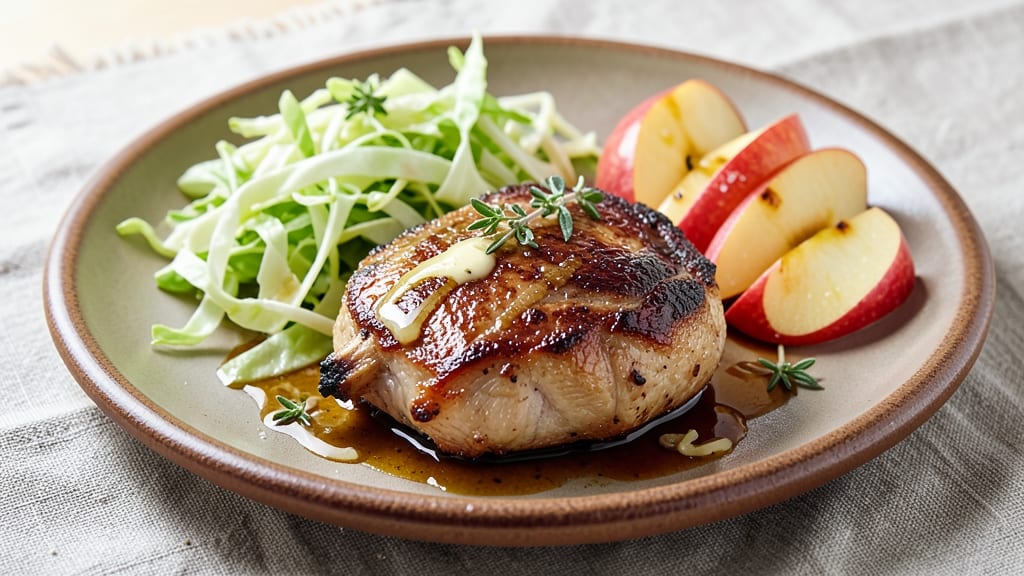
This pork chop, cabbage, and apple recipe delivers the perfect balance of crispy edges and sweet-tangy braise that transforms weeknight dinner into something special. The secret lies in searing the pork until golden brown while caramelizing the apples and cabbage together—creating a dish that feels both rustic and refined.
I developed this recipe during a particularly chilly autumn evening when I wanted something hearty yet elegant, and it's been a staple ever since.
The magic happens in the braising process, where the pork chops become fork-tender while absorbing the flavors of the cabbage and apples. What makes this recipe work is the combination of acid (from the apples) and sweetness (from the caramelized onions), which cuts through the richness of the pork.
The cabbage, when cooked properly, develops a satisfying crisp-tender texture that holds up beautifully against the tender meat.
By the time you serve this dish, you'll have perfectly crispy-edged pork chops with a sweet-tangy glaze, surrounded by caramelized cabbage and apples that add bright, fresh notes.
The aroma alone will have everyone gathering at the table, and each bite delivers a harmonious blend of textures and flavors that's impossible to resist.
This recipe scales beautifully for gatherings, and the flavors only deepen the next day, making it perfect for meal prep. The technique is straightforward but delivers restaurant-quality results at home—just like my grandmother used to make, but with a few modern twists. Let's get cooking!
Ingredients for pork chop cabbage apple
Four pork chops, crispy edges and tender center, braised with caramelized cabbage and apples for autumn's heartiest dish.
| Ingredient | Amount | Notes |
|---|---|---|
| Bone-In Pork Chops 🥩 | 4 whole | 1-inch thick, rib or loin cut |
| Green Cabbage 🥬 | 1 small | Whole head, cored, cut into wedges |
| Apples 🍎 | 2 medium | Sweet-tart variety like Honeycrisp |
| Yellow Onions 🧅 | 1 large | Thinly sliced, white or yellow |
| Unsalted Butter 🧈 | 4 tbsp | Cold, for searing |
| Extra-Virgin Olive Oil 🫒 | 2 tbsp | For deglazing |
| Apple Cider Vinegar 🍏 | ¼ cup | For braising liquid |
| Dried Thyme 🌿 | 1 tsp | Or 1 tbsp fresh |
| Salt 🧂 | 1 ½ tsp | Diamond Crystal preferred |
| Ground Black Pepper 🌶️ | ½ tsp | Freshly cracked |
| Granulated Sugar 🍚 | 1 tbsp | For caramelization |
| Garlic Cloves 🧄 | 4 cloves | Minced for onions |
| Fresh Rosemary 🌿 | ¼ cup | Chopped, for garnish |
| Beef Broth 🍲 | ½ cup | Low-sodium preferred |
The pork chops are the foundation—look for bone-in cuts with good marbling for flavor and moisture. Local butchers or Whole Foods often carry the best quality, but any well-marbled rib or loin chop works. If you can't find bone-in, use boneless but pound to 1-inch thickness for even cooking. The cabbage should be firm with crisp outer leaves, and apples like Honeycrisp or Braeburn balance sweetness and acidity perfectly. Trader Joe's and Costco usually stock these varieties year-round.
No apple cider vinegar? Substitute with white wine vinegar or lemon juice—just reduce the sugar slightly. The beef broth adds depth, but vegetable broth works too if you're avoiding meat-based liquids. For the onions, yellow or white both work, but yellow has a slightly sweeter flavor. Fresh thyme is ideal, but dried at one-third the amount is fine in a pinch. The sugar helps caramelize the onions and apples, but if you're watching carbs, reduce to 1 tsp—the natural sweetness will still develop.
This dish reheats beautifully—3-4 days in the fridge or 3 months frozen. For freezing, portion the pork and veggies separately to maintain texture. The pork chops can be seared ahead and refrigerated up to 2 days before braising. Store the braising liquid separately if you plan to reheat it multiple times—it concentrates in flavor. Garnish with fresh rosemary just before serving to keep it vibrant.
Why You'll Love This Recipe
- One-Pan Magic: I swear by this trick—just toss everything on a sheet pan, let the butter melt into crispy pork chops while the cabbage softens and apples caramelize. No pots, no pans, no stress. (Yes, even on a Tuesday night.)
- Sweet-Savory Balance: That buttery pork meets the crunch of raw cabbage and the honeyed bite of apples—it’s like autumn in a skillet. The onions add this deep, golden sweetness that ties it all together without overpowering.
- Leftovers That Shine: This dish actually improves the next day. The pork stays juicy, the cabbage gets tender, and the apples develop a deeper flavor. Pack it for lunch or reheat it for dinner—no one will guess it’s the same meal.
- Budget-Friendly Feast: Bone-in pork chops stretch further, cabbage and apples are cheap staples, and butter makes it feel special without breaking the bank. Here’s what sold me—it’s the kind of meal that makes grocery day exciting.
Step-by-step instructions for sweet-tangy braised pork chops
This method delivers melt-in-your-mouth pork with crispy edges and a caramelized apple-cabbage sauce.
Sear the Pork Chops for Maximum Flavor
Pat the 4 whole bone-in pork chops completely dry with paper towels. Season both sides generously with the 1.5 teaspoons salt and 0.5 teaspoon ground black pepper. Heat a large oven-safe skillet over medium-high heat and add the 4 tablespoons cold unsalted butter. Once the butter foams but hasn't browned, add the pork chops in a single layer.
Sear for 3-4 minutes per side until the edges are golden brown and crispy, and the internal temperature reaches 145°F. The butter will bubble vigorously - don't move the chops during this time. Remove the pork chops and set them aside on a plate, leaving all the rendered butter and browned bits in the pan. This searing step creates the foundation for your crispy edges and deep flavor.
Build the Sweet-Tangy Braising Liquid
Reduce heat to medium and add the 2 tablespoons extra-virgin olive oil to the same skillet. Add the 1 large yellow onion and cook for 3-4 minutes until softened. Stir in the 4 minced garlic cloves and cook for 30 seconds until fragrant. Add the 1 tablespoon granulated sugar and cook for 1 minute, stirring constantly, until the sugar begins to caramelize slightly.
Deglaze the pan with the 0.25 cup apple cider vinegar, scraping up all the browned bits from the bottom. Add the 0.5 cup beef broth and 1 teaspoon dried thyme, then bring to a gentle simmer. The liquid should reduce slightly, creating a concentrated base for your braise. This step develops the complex sweet-tangy flavor profile that makes this dish special.
Braise with Vegetables for Tender Pork
Add the 1 small green cabbage wedges and 2 medium apples to the skillet. Stir gently to combine with the braising liquid. Return the pork chops to the skillet, bone-side down, and pour enough liquid to come about halfway up the chops. The cabbage and apples will release moisture as they cook, so don't worry if it doesn't fully cover them initially.
Cover the skillet with a tight-fitting lid and transfer to a preheated 325°F oven. Braise for 45-55 minutes, until the pork chops reach 195°F internal temperature and are fork-tender. The cabbage should be tender but still hold its shape, and the apples should be soft with slight resistance. This low-and-slow cooking method ensures the pork becomes melt-in-your-mouth tender while maintaining crispy edges.
Finish with Fresh Herbs and Garnish
Remove the pork chops from the oven and let them rest for 5 minutes. Stir the chopped 0.25 cup fresh rosemary into the braising liquid and spoon the sauce over the pork chops. The herbs will infuse the sauce with bright, aromatic notes that complement the sweet-tangy flavors. Garnish each serving with additional chopped rosemary and serve immediately with the cabbage-apple mixture.
For best results, serve the pork chops with the crispy edges facing up. The cabbage and apples should be tender but still hold their shape, creating a delightful contrast in textures. The sauce should coat the pork and vegetables, delivering all the sweet-tangy flavors in every bite. This dish delivers restaurant-quality results with a perfect balance of textures and flavors.
Pro Tips For Making Pork Chop Cabbage Apple
- SEAR THE CHOPS FIRST: Bone-in pork chops need that crust to stay juicy, so hit them hard—4-5 minutes per side in a screaming-hot pan with butter and onions until deep golden. I used to rush this, and the meat turned out dry. Trust me, the extra 30 seconds now saves you from a sad, gray chop later.
- CORE THE APPLES: Slice those apples thin but keep the cores intact—it’s the only way to avoid a mushy, waterlogged mess. I learned this after my first batch turned into apple soup. A paring knife works best; just cut from the center outward like you’re opening a book.
- SALT THE CABBAGE WELL: Toss the shredded cabbage with at least 1 teaspoon of salt (yes, even if it’s unsalted butter) and let it sit for 10 minutes before cooking. This draws out moisture, so it crisps up instead of steaming into a sad, limp pile. I skip this step sometimes, and it’s always a regret.
- USE THE PAN JUICES: After searing the chops, don’t pour out that golden butter-onion-apple fond. Deglaze with a splash of water or apple juice and let it reduce—it’s the glue that ties the whole dish together. I used to toss it, and the flavors felt flat. Now I scrape every last bit into the cabbage-apple mix.
Troubleshooting this dish
Pork Chop Overcooking
If your pork chops turn out dry or tough, you likely overcooked them. Bone-in chops should reach 195°F internal temperature (not 212°F), and boneless should hit 145°F. I use a ThermoWorks Smoke thermometer to monitor precisely.
Remove chops when they're 5°F below target—they'll carry over. For extra insurance, baste with pan juices every 15 minutes during braising. 🌡️
Cabbage Too Soft
Cabbage that's mushy instead of crisp-tender means it cooked too long. Whole wedges should take 45-55 minutes at 325°F. If using pre-cut cabbage, reduce time by 10 minutes. For extra texture, add the cabbage to the braising liquid 15 minutes before the pork chops finish.
I often test a piece with a fork—it should yield slightly but still hold shape. ❄️
Apples Stay Hard
Tart apples like Granny Smith won't soften as easily as sweeter varieties. Swap in Honeycrisp or Braeburn for better results. If using tart apples, slice them ¼-inch thick and add them 10 minutes earlier than the cabbage.
A quick fix: Deglaze the pan with 1 tbsp apple juice after searing to help tenderize the apples during braising. 🍎
Sauce Too Thin
If your braising liquid reduces too much, add ¼ cup beef broth or apple cider during the last 15 minutes of cooking. For a thicker sauce, simmer uncovered for 5 minutes after removing pork chops to reduce naturally.
I sometimes mash 1-2 apple slices into the sauce for extra body and sweetness. 💡
Uneven Browning
Pale pork chops indicate insufficient searing. Use cold butter (never melted) for better browning—it creates steam that helps develop crispy edges. If your pan isn't hot enough, increase heat to medium-high and wait 2 minutes before adding chops.
For even cooking, place chops bone-side down first when returning them to the braising liquid. 🔥
Acid Overpowering
Too much apple cider vinegar can make the dish taste sharp. Balance it by adding 1 tbsp sugar or ½ tsp honey to the braising liquid. For extra depth, stir in 1 tsp Dijon mustard during the last 5 minutes of braising.
I also reduce the vinegar to 2 tbsp if I'm concerned about acidity. 🌶️
Nutrition facts
Frequently asked questions
Why does this recipe use both cabbage and apples?
The combination creates a perfect balance of flavors and textures. The apples add natural sweetness and acidity that cuts through the richness of the pork, while the cabbage provides a satisfying crisp-tender bite. Together, they create a harmonious dish that's both comforting and elegant—just like my grandmother used to make in Georgia.
Can I use boneless pork chops instead of bone-in?
Yes, but you'll need to adjust the cooking time. Boneless chops should reach 145°F internal temperature, while bone-in chops need to go to 195°F. Pound boneless chops to 1-inch thickness for even cooking. They'll finish faster—about 15-20 minutes less braising time.
What's the best way to store leftovers?
Store in an airtight container for up to 4 days in the fridge. The flavors actually deepen overnight! For freezing, portion the pork and vegetables separately—they reheat best when thawed gently in the fridge. The sauce can be frozen separately for up to 3 months. Always reheat to 165°F before serving.
How can I make this recipe vegetarian?
Swap the pork chops for firm tofu or tempeh pressed and pan-fried until crispy. Use 1 block (14 oz) for similar texture. Increase braising liquid by ¼ cup to compensate for the lack of pork juices. The cabbage and apple components remain exactly the same—just as delicious!
What's the secret to crispy pork chop edges?
Three things: cold butter (not melted), medium-high heat, and patience. Let the butter foam but not brown before adding chops, then sear undisturbed for 3-4 minutes per side. The butter creates steam that helps develop those perfect crispy edges while locking in juices. Don't rush—this step makes all the difference!