
Main Courses
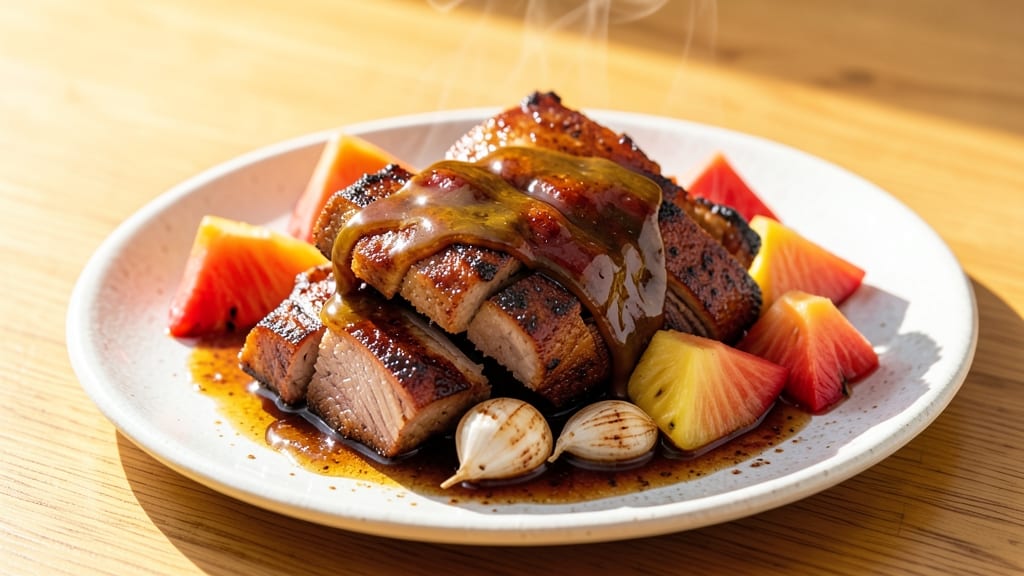
This Filipino pork hamonado with pineapple recipe from Panlasang Pinoy delivers a perfect balance of sweet, savory, and caramelized flavors that will transport you straight to a bustling karinderia stall.
The secret lies in slow-cooking pork shoulder until it's fork-tender, then glazing it with a rich hamonado sauce that caramelizes beautifully when paired with fresh pineapple. I first discovered this dish during a trip to Manila, where the combination of tender meat and juicy fruit became an instant favorite.
The magic happens in the sauce—a blend of soy sauce, brown sugar, vinegar, and garlic that creates a sticky, glossy glaze as it caramelizes. The pineapple isn't just a side here; it's the star that cuts through the richness while adding a bright, tropical contrast.
What makes this recipe special is how the flavors develop over time, transforming simple ingredients into something deeply satisfying. The longer it cooks, the more complex the taste becomes.
By the time you serve this dish, you'll have succulent pork that falls apart at the touch, coated in a glossy, caramelized sauce, and topped with sweet, juicy pineapple chunks.
The aroma alone will have everyone gathering around the table, and the first bite delivers that perfect harmony of sweet, salty, and umami. It's the kind of meal that feels both comforting and celebratory, whether you're feeding a crowd or treating yourself to a special dinner.
Pair it with garlic fried rice or atchara for a complete Filipino feast. The beauty of this recipe is in its versatility—serve it as a main course with steamed rice, or turn it into sandwiches for a quick lunch. Let's get cooking!
Ingredients for pork hamonado with pineapple recipe panlasang pinoy
Sweet, savory, and caramelized—just 12 ingredients transform simple pork and pineapple into a showstopper.
| Ingredient | Amount | Notes |
|---|---|---|
| Pork Shoulder 🍖 | 2 lb | Bone-in for flavor, cut into 2-inch chunks |
| Fresh Pineapple 🍍 | 1 whole | Fresh, ripe, cut into 1-inch chunks |
| Soy Sauce 🍶 | ½ cup | Dark soy sauce preferred for color |
| Brown Sugar 🍚 | ½ cup | Packed, light or dark variety |
| White Vinegar 💧 | ¼ cup | White or cane vinegar |
| Garlic Cloves 🧄 | 6 cloves | Minced, fresh preferred |
| Black Peppercorns 🌶️ | 1 tsp | Freshly cracked, coarse grind |
| Olive Oil 🫒 | 2 tbsp | For searing pork |
| Water 💧 | ½ cup | For deglazing pan |
| Bay Leaves 🌿 | 2 whole | Dried, for depth of flavor |
| Salt 🧂 | 1 ½ tsp | Kosher or sea salt |
| Green Onions 🧅 | 2 whole | Sliced, for garnish |
The pork shoulder is non-negotiable here—bone-in gives the best flavor, and the fat keeps everything moist. Ask your butcher to cut it into 2-inch chunks if they don't pre-cut it that way. Filipino markets or Asian grocery stores often have pre-cut pork shoulder at better prices than regular supermarkets. Look for meat with good marbling—those little white streaks of fat mean juicier pork. If you can't find bone-in, boneless works, but it'll dry out faster. The pineapple? Ripe is key—press the base near the leafy crown, and it should yield slightly. Yellow skin with a little green is perfect; avoid anything too green or too soft.
No dark soy sauce? Regular soy sauce plus 1 tsp molasses gets you close. The brown sugar can be swapped for white sugar if needed, but the caramelization won't be as rich. Vinegar substitute? Lemon juice or apple cider vinegar work in a pinch. Fresh garlic is ideal, but if you're using jarred minced garlic, reduce to 4 cloves—it's more concentrated. The bay leaves add that subtle depth that makes this taste authentic. Skip them? You'll miss that earthy note that ties everything together. For the pineapple, canned pineapple chunks work in a bind, but fresh is always better—drain them well to avoid soggy meat.
This dish tastes even better the next day—the sauce thickens and flavors meld. Store leftovers in the fridge for up to 4 days, or freeze for 3 months in airtight containers. I like to portion it into single servings before freezing so I can just reheat what I need. The pineapple can be prepped ahead and stored separately in the fridge for 3 days. When reheating, add a splash of water or broth to keep the sauce from drying out. Serve with steamed rice to soak up all that glorious sauce—trust me, you'll want seconds.
Why You'll Love This Recipe
- One-Pan Magic: I swear by this—just toss the pork shoulder, pineapple chunks, and that tangy-sweet sauce into one pan. No chopping boards, no extra pots, just 30 minutes of hands-off cooking while you sip coffee or scroll through your phone. The vinegar and soy sauce do all the work for you.
- Sweet-Savory Balance: That caramelized brown sugar glaze on the pork? Chef’s kiss. The pineapple’s bright acidity cuts through the richness, and the vinegar keeps it from being too heavy. Honestly, it’s the kind of dish where every bite makes you want to steal another piece from the plate.
- Meal Prep MVP: Make a big batch on Sunday and you’re set for the week. The pork stays tender when reheated, and the pineapple adds freshness to rice bowls, sandwiches, or even a quick stir-fry. My kids beg for leftovers—yes, even my picky eater.
- Budget-Friendly Feast: Pork shoulder is cheap, pineapple’s affordable when you buy whole, and the rest of the ingredients? Pantry staples. For under $15, you feed four people a dish that tastes like a restaurant special. Between us, this is my secret for impressing guests without breaking the bank.
Step-by-step instructions for pork hamonado with pineapple
Here's how to create that perfect sweet-savory glaze that clings to every bite of tender pork.
Sear the Pork Shoulder for Maximum Flavor
Heat a large Dutch oven or deep skillet over medium-high heat. Add the 2 tablespoons olive oil and let it get shimmering hot. Working in batches if needed, add the 2 lb pork shoulder cut into 2-inch chunks and sear until golden brown on all sides—about 3-4 minutes per side. I press down gently on the pork with a spatula during the first minute to prevent curling and ensure even contact with the pan.
As the pork browns, you'll notice the fat begins to render out—this is where all the deep, meaty flavor develops. Don't rush this step; patience here makes all the difference. Once all pieces are browned, transfer them to a plate and set aside, leaving all that delicious browned pork fat in the pan.
Build the Sweet-Savory Glaze
With the pork removed, reduce the heat to medium and add the 6 cloves minced garlic cloves to the pan. Sauté for 30 seconds until fragrant—you'll smell that wonderful garlic aroma filling your kitchen. Immediately add the 1 teaspoon black peppercorns and toast for 10 seconds until they begin to darken slightly.
Next, pour in the 0.5 cup soy sauce and 0.5 cup brown sugar, scraping up all those flavorful browned bits from the bottom of the pan. These bits, called fond, are packed with flavor that will dissolve into your glaze. Add the 0.25 cup white vinegar and 0.5 cup water, then toss in the 2 whole bay leaves and 1.5 teaspoons salt. Bring everything to a gentle simmer.
Simmer the Pork Until Tender
Return the pork to the pan, spooning the glaze mixture over the top to coat evenly. The liquid should come about halfway up the pork pieces. Bring to a gentle simmer, then cover and reduce heat to low. Let it cook for 1 hour and 15 minutes, stirring occasionally to ensure even cooking and prevent sticking.
Here's where the magic happens: the pork will slowly tenderize as it absorbs the sweet-savory glaze. You'll notice the liquid gradually reduces and thickens. If it gets too thick before the pork is tender, add 1-2 tablespoons water at a time to maintain the right consistency. The pork is done when it's fork-tender and easily pulls apart.
Add Pineapple and Caramelize the Glaze
Once the pork is tender, add the 1 whole fresh pineapple cut into 1-inch chunks to the pan. Increase heat to medium-high and let it simmer uncovered for 10-12 minutes, stirring occasionally. You'll see the pineapple begin to soften and the glaze start to thicken and caramelize—this is when the flavors really come together.
The pineapple will release its natural juices, which will mix with the glaze to create a beautiful, glossy coating. You're looking for a glaze that's thick enough to coat the back of a spoon but still flows easily. If the glaze is too thin, let it simmer uncovered for a few more minutes to reduce. The pork and pineapple should be coated in that gorgeous, sticky glaze.
Rest and Serve with Fresh Garnish
Remove the pan from heat and let the pork hamonado rest for 5 minutes before serving. This resting time allows the juices to redistribute throughout the meat, ensuring each bite is moist and flavorful. While it rests, slice the 2 whole green onions into thin rounds for garnish.
Serve the pork hamonado with pineapple over steamed rice, garnished with the sliced green onions. The contrast of the sweet pineapple with the savory, caramelized pork creates a perfect balance of flavors in every bite. The glaze should be thick enough to cling to each piece of pork, making every bite delicious and satisfying.
Pro Tips For Making Pork Hamonado With Pineapple Recipe Panlasang Pinoy
- Marinate Pork Overnight: I used to throw in the pork and sauce last-minute, thinking it’d be fine. Wrong. Let the pork shoulder soak in half the soy sauce, brown sugar, and a splash of vinegar for at least 8 hours—preferably overnight. The meat stays juicier and absorbs the sweet-savory balance better, so it doesn’t dry out when you sear it later.
- Sear on High Heat: Don’t skimp on the initial sear. Get your pan screaming hot—cast iron or heavy stainless steel—and cook the pork shoulder until deep golden brown on all sides. This locks in flavor and gives that caramelized crust that makes the dish sing. (Yes, even if you’re impatient like me.)
- Use Fresh Pineapple: Canned pineapple works in a pinch, but fresh is non-negotiable for texture. Cut it into ½-inch chunks, toss them in the remaining soy, sugar, and vinegar, and let them sit while you sear the pork. The juice will reduce into a glossy glaze, and the chunks stay firm—not mushy. (Save the canned version for when you’re too tired to chop.)
- Simmer Low and Slow: After searing, add the pineapple and sauce, then reduce heat to medium-low. Let it bubble gently for 45-60 minutes, stirring occasionally. High heat here will turn the sauce into a sticky mess or even burn it. Patience here means a dish that’s tender, not rubbery, with a sauce that coats every bite.
Serving suggestions for this recipe
Filipino Feast Setup
Start with a bed of steamed jasmine rice—Filipino-style, slightly sticky and warm. I like to cook extra rice (about 1.5 cups dry per serving) because this dish soaks it up beautifully. The pork's caramelized glaze will cling to every grain, making each bite even more satisfying. 🍚
Classic Side Pairings
For an authentic Panlasang Pinoy experience, serve with garlic fried rice—sauté 2 cups day-old rice with 3 minced garlic cloves, 2 tbsp soy sauce, and 1 tbsp butter until golden.
The nutty garlic flavor complements the sweet-savory pork perfectly. Another crowd-pleaser is atchara—pickled papaya salad with carrots and onions—adding a tangy crunch that cuts through the richness.
Fresh Garnishes
Top each serving with sliced green onions and a sprinkle of toasted sesame seeds for texture and aroma. For extra brightness, I sometimes add cilantro leaves if I have them on hand.
These finishing touches not only look beautiful but also elevate the dish's freshness. A quick lime wedge on the side lets everyone add a squeeze of citrus if they like.
Beverage Pairings
Cool down the meal with calamansi juice (Filipino limeade) or San Miguel beer—both are popular choices in the Philippines. For a non-alcoholic option, hibiscus tea (tsokolate) adds a floral, slightly tart contrast.
The effervescence of beer or the acidity of citrus helps cleanse the palate between rich, caramelized bites. 🍺
Make-Ahead Serving
This dish tastes even better the next day! Store leftovers in an airtight container in the fridge for up to 4 days. Reheat gently in a skillet with a splash of water to maintain that glossy glaze.
I often prep the rice and sides ahead of time so I can focus on serving fresh pork and pineapple when guests arrive. The flavors deepen overnight, making it perfect for meal prep.
Presentation Tips
For a restaurant-worthy look, arrange the pork and pineapple on a large platter with the rice in the center. Drizzle any remaining glaze over the top for extra shine. Garnish with extra green onions and sesame seeds in a circular pattern.
Serve family-style so everyone can help themselves—this dish is meant to be shared! The contrast of colors (golden pork, green onions, yellow pineapple) makes it visually appealing too. ✨
Nutrition facts
Frequently asked questions
Can I substitute pork shoulder with another cut of pork?
For best results, stick with pork shoulder as it's fatty enough to stay moist during long cooking. You could try pork butt (they're essentially the same cut) or pork loin if needed, but expect slightly less tenderness. If using loin, reduce cooking time by 15-20 minutes as it's leaner. Never use pork tenderloin—it dries out too quickly in this sweet-savory sauce.
Why does my glaze turn out too thin or too thick?
Thin glaze? You likely didn't reduce it enough—simmer uncovered for 5-10 extra minutes to thicken. Too thick? Add 1-2 tablespoons water at a time while cooking. The ideal consistency coats the back of a spoon but still flows easily. For extra shine, finish with 1 teaspoon cornstarch mixed with water if needed. The pork should be coated, not swimming in sauce.
How do I make this dish spicier?
Add 1-2 teaspoons ground black pepper or 1-2 slices fresh chili (like siling labuyo) to the glaze mixture. For heat without spice, try ½ teaspoon ground cayenne pepper or 1 teaspoon sriracha stirred into the sauce at the end. Remember—Filipino cuisine balances sweet and heat beautifully! Adjust to taste, starting with small amounts.
Can I make this in a slow cooker or Instant Pot?
For slow cooker: Sear pork first, then add all ingredients (except pineapple) and cook on low for 6-7 hours or high for 3-4 hours. Add pineapple in the last 30 minutes. For Instant Pot: Sauté pork and glaze ingredients, then pressure cook on high for 30 minutes with pineapple added in the last 10 minutes. Both methods work well—just monitor liquid levels.
What if I don't have fresh pineapple?
Use 1 (20 oz) can pineapple chunks drained well, but add 1 extra tablespoon brown sugar to compensate for lost natural sweetness. For texture, toss canned pineapple with ½ teaspoon cornstarch before adding to caramelize better. Fresh pineapple has more juice, so reduce other liquids by 2 tablespoons if using canned.