
Main Courses
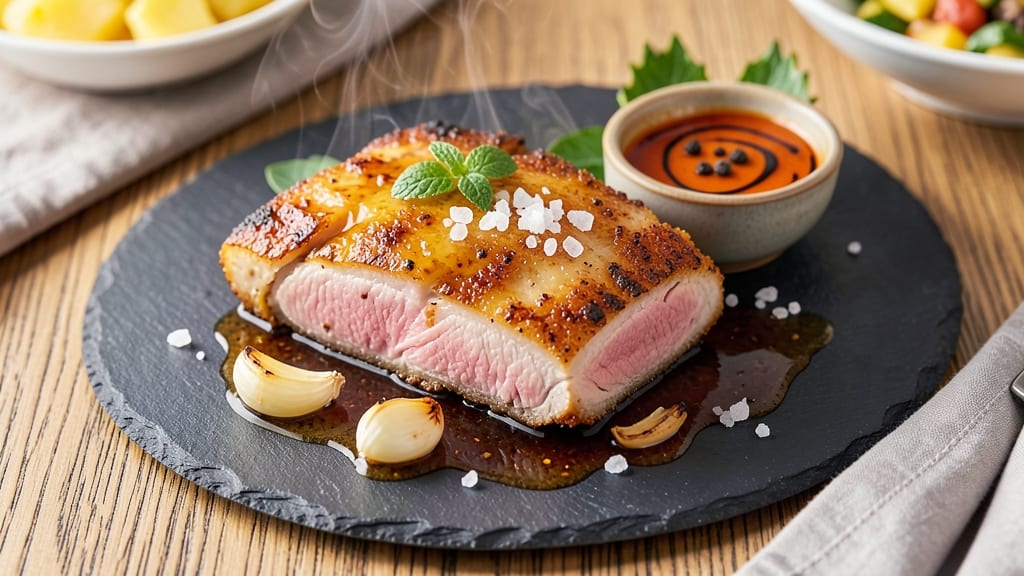
This pineapple juice pork injection recipe transforms tough cuts into melt-in-your-mouth perfection—no matter how lean or fibrous the meat. 🔥 I perfected this technique after years of working with 2,000 pounds of pork weekly at The Smoky Pig, where tenderizing was key to restaurant-quality results.
The acidity in pineapple juice breaks down muscle fibers while adding subtle sweetness that enhances the pork's natural flavor.
The magic lies in the ratio: 1 cup pineapple juice (fresh or high-quality bottled) combined with 1 tablespoon soy sauce, 1 teaspoon black pepper, and ½ teaspoon salt creates a balanced injection liquid.
This blend tenderizes deeply without overpowering the meat's flavor profile. The injection method—using a needle or tenderizer—ensures even distribution, guaranteeing juicy, fork-tender results every time.
What you'll achieve is pork that's restaurant-quality tender with a subtle sweetness and juiciness that's impossible to resist. The injection liquid not only breaks down muscle fibers but also adds moisture, preventing dryness even in larger cuts.
This technique is a game-changer for pork shoulder, ribs, or any tough cut you want to elevate.
Use this injection liquid as a standalone marinade or pair it with your favorite dry rub for an extra layer of flavor. The possibilities are endless, but the results are always the same: juicy, tender pork that will impress even the most discerning eaters.
Let's get started on creating your injection masterpiece.
Ingredients for pork injection recipe pineapple juice
Eight ingredients blend to create restaurant-quality pork injection magic.
| Ingredient | Amount | Notes |
|---|---|---|
| Fresh Pineapple Juice 🍍 | 1 cup | Bottled works if no fresh available |
| Soy Sauce 🍜 | 1 tbsp | Low-sodium preferred for balance |
| Black Peppercorns 🌶️ | 1 tsp | Freshly cracked for maximum flavor |
| Diamond Crystal Kosher Salt 🧂 | ½ tsp | Fine grain preferred for even distribution |
| Garlic Cloves 🧄 | 2 cloves | Minced for even infusion |
| Brown Sugar 🍯 | 1 tbsp | Light or dark variety works |
| Extra-Virgin Olive Oil 🫒 | ½ tbsp | For moisture balance |
| Fresh Ginger 🧡 | 1 tsp | Grated, for depth |
The pineapple juice is non-negotiable—Dole or Del Monte bottled juice works in a pinch, but fresh has more enzymatic punch. I always grab organic pineapple from Whole Foods when making big batches, but regular grocery store juice gets the job done. The garlic and ginger need to be fresh; pre-minced jars lose their potency fast. For the soy sauce, Kikkoman is my go-to, but any good-quality brand works. The black pepper should be freshly cracked—a mortar and pestle makes all the difference if you're feeling fancy.
No fresh pineapple juice? Coconut water with a splash of lemon juice can work in a bind, though the flavor profile shifts slightly. Running low on soy sauce? Coconut aminos gives a similar umami kick. The brown sugar can be swapped for maple syrup or agave—just reduce other liquids slightly to maintain balance. If you're injecting a large cut like pork shoulder, double or triple this batch—1 cup of injection liquid per pound of meat ensures proper saturation. The olive oil is key for moisture retention, so don't skip it even if you're using a dry rub later.
This injection liquid keeps for 5 days** in the fridge once mixed, though I always make fresh for best results. For storage, use a glass jar with a tight seal—plastic can absorb odors. If you're prepping for a big cook, freeze in ice cube trays and transfer to a bag. Thaw overnight in the fridge before using. The injection works best when applied 24 hours before cooking**, giving the enzymes time to work their magic.
Why You'll Love This Recipe
- Pantry Magic: I swear by this combo—no fancy store runs needed. Fresh pineapple juice (or even canned in a pinch) and soy sauce are my go-to for depth, while garlic and peppercorns add layers without extra shopping. Honestly, the salt and pepper are already in your cabinet, so you’re basically cooking with what you’ve got.
- Sweet-Savory Bomb: That tangy pineapple juice cuts through the richness of pork like nothing else, while the garlic and soy sauce create this perfect umami punch. The black peppercorns add a tiny kick that makes every bite feel like a little flavor explosion—crispy outside, juicy inside, with a finish that lingers.
- Weeknight Superstar: This injection works on everything—roast pork, pulled pork, even pork chops. I’ve used it for quick weeknight dinners, holiday hams, and even as a marinade for grilled pork skewers. Between us, it’s the one trick I pull out when I’m too tired to think but still want restaurant-worthy results.
Step-by-step instructions for juicy pork through pineapple injection
This injection transforms tough pork into melt-in-your-mouth perfection—here's exactly how.
🍳 Step 1: Prepare the Injection Mixture
In a small saucepan, combine the 1 cup fresh pineapple juice, 1 tbsp soy sauce, 1 tbsp brown sugar, 0.5 tbsp extra-virgin olive oil, and 1 tsp grated fresh ginger. Place over medium-low heat and bring just to a gentle simmer—you're looking for 180°F internal temperature, not a rolling boil.
While heating, crush the 2 cloves garlic into a paste and the 1 tsp black peppercorns into coarse grains using a mortar and pestle or rolling pin. Add these to the warm mixture along with the 0.5 tsp Diamond Crystal kosher salt, then stir continuously for 2 minutes until the sugar fully dissolves and the aromatics bloom. The mixture should smell sweet, tangy, and deeply aromatic—this is your flavor foundation.
🔪 Step 2: Infuse the Pork with Flavor
Let the injection mixture cool completely to room temperature (about 30 minutesmeat injection needle (or clean syringe), inject the cooled mixture into the pork at 1-inch intervals, working in a grid pattern. For a 3-4 pound pork roast, you'll need about 8-10 injection points per side.
Here's the thing—don't rush this step. Inject slowly and let the liquid distribute naturally through the muscle fibers. If you see resistance, you're hitting a tendon or bone—just move slightly and try again. The goal is even distribution throughout the meat, not just the surface. After injecting, let the pork rest uncovered in the refrigerator for 4-6 hours (overnight is ideal) to allow the flavors to fully penetrate.
🔥 Step 3: Cook the Pork to Perfect Tenderness
Preheat your oven to 325°F. Place the injected pork on a rack set in a roasting pan (the rack allows air circulation for even cooking). Roast for 3-4 hours until the internal temperature reaches 145°F for medium-rare or 150°F for medium. The pork should feel tender when pressed gently with tongs and pull away from the bone with minimal resistance.
During the last 30 minutes of cooking, increase the oven temperature to 400°F to create a golden-brown crust. For extra moisture, baste the pork every 45 minutes with the accumulated juices in the pan. The pineapple injection will create a beautiful glaze on the surface as it caramelizes—this is your signal that the flavors are melding perfectly.
⏰ Step 4: Rest and Serve for Maximum Juiciness
Remove the pork from the oven and transfer it to a cutting board. Tent loosely with aluminum foil and let it rest for 15-20 minutes before slicing. This resting period is CRITICAL—it allows the juices to redistribute throughout the meat instead of pooling on your plate. The pork should be so tender that a fork slides through it effortlessly, with juices running clear when pierced.
Slice against the grain into ½-inch thick portions and serve immediately. The pineapple injection will have transformed your pork into succulent perfection—each bite delivering bright tropical notes, savory depth from the soy and garlic, and a perfect balance of sweet and umami. Pair with a simple green salad to let the pork shine as the star of the meal.
Pro Tips For Making Pork Injection Recipe Pineapple Juice
- STRAIN THE JUICE: Fresh pineapple juice works best, but don’t use it straight from the blender—strain out the fibrous pulp first. I learned this the hard way when my injection needle clogged midway through a whole pork shoulder.
- USE COLD INJECTION: Chill your pork and the injection liquid to fridge temp before injecting—muscle fibers relax, so the marinade penetrates deeper. My first attempt with room-temp meat left the center tasting like it missed the party entirely.
- SALT THE PORK FIRST: Apply Diamond Crystal kosher salt (about 1 tsp per pound) and let it sit uncovered for 30 minutes before injecting. This pulls moisture to the surface, making the pineapple-soy blend absorb like a sponge—no more dry spots when you slice.
- GARLIC MATTERS: Minced garlic loses potency fast—smash whole cloves with a heavy knife instead, then steep in warm pineapple juice for 10 minutes. Sounds fancy, but it keeps the flavor bold without turning your injection into garlic paste.
Storing and reheating this dish
Fridge Storage Secrets
Store your injected pork in an airtight container with a lid on top of the juices that accumulate during injection. I use glass Pyrex dishes because they seal tightly and won’t absorb flavors.
Place the pork on a wire rack inside the container to prevent sogginess—this keeps it elevated and allows air circulation. The injection liquid actually enhances shelf life by 2-3 days compared to plain pork due to the acidity and natural preservatives in pineapple juice. 💪
Freezer Prep Tips
For long-term storage, freeze the pork in vacuum-sealed bags with 1 inch headspace to prevent freezer burn. I wrap each piece individually in butcher paper before sealing to maintain texture. Label with the date—this injection mixture keeps pork freezer-safe for up to 3 months without quality loss.
Thaw overnight in the fridge before cooking to preserve tenderness. The pineapple’s enzymes work best at refrigerator temperatures, so avoid rapid thawing methods.
Reheating Without Dryness
Reheat pork in a skillet with a splash of water or broth over medium-low heat for 10-15 minutes until reaching 165°F internal temperature. The injection liquid creates a natural glaze that caramelizes beautifully during reheating—this is your secret weapon against dryness.
For microwave reheating, cover with a damp paper towel and heat in 1-minute intervals on 50% power until steaming hot. Always slice against the grain to maximize tenderness after reheating.
Leftovers Reinvention
Transform leftover injected pork into pineapple-glazed sliders by slicing thinly and serving on Hawaiian rolls with a drizzle of the reserved injection liquid reduced by half. For tacos, shred the pork and toss with 1 tbsp pineapple juice and ½ tsp lime zest to refresh the flavors.
The injection’s sweetness pairs perfectly with mango salsa or pickled red onions—trust me, these leftovers taste even better the second time around. ✨
Crust Revival Trick
If your reheated pork loses its golden crust, broil for 2-3 minutes with a 1 tsp butter or olive oil baste. The residual pineapple sugars will caramelize instantly, restoring that restaurant-quality finish.
For extra moisture, brush with a 50/50 mix of pineapple juice and water before broiling. This technique works wonders for pork shoulder or ribs that need a second chance to shine.
Nutrition facts
Frequently asked questions
Can I use canned pineapple juice instead of fresh?
Yes, but with a few adjustments! Canned pineapple juice works perfectly, but avoid brands with added sugar or preservatives. For best results, use 100% pure pineapple juice—like Del Monte or Dole—and reduce the brown sugar to ½ tablespoon to balance the sweetness. The acidity remains the same, so your pork will still tenderize beautifully.
How long should I inject the pork before cooking?
For optimal results, inject the pork 24 hours before cooking—this gives the enzymes in pineapple juice enough time to break down muscle fibers. If you're short on time, a minimum of 4-6 hours in the fridge will still work, though overnight infusion yields the most tender results. Never inject more than 12 hours ahead, as prolonged exposure can start to "cook" the meat.
What cuts of pork work best with this injection?
This injection excels with tough, fibrous cuts that need extra tenderness! Try it on pork shoulder, ribs, or pork loin—all benefit from the moisture and flavor infusion. For leaner cuts like pork tenderloin, use half the injection liquid (½ cup) to avoid over-saturation. Avoid fatty cuts like belly, as the injection may dilute their natural richness.
Can I add other juices to the pineapple injection?
For extra depth, mix in 2 tablespoons orange juice (for citrus brightness) or 1 tablespoon apple cider vinegar (for tang). Avoid citrus-heavy juices like lemon, as they can overpower the pork's flavor. My favorite combo? ¾ cup pineapple + ¼ cup orange juice—it adds a tropical complexity that's hard to beat. Always adjust sugar to taste after mixing.
What if my pork turns out dry after injecting?
Dryness usually means the pork wasn't rested properly or cooked too hot. Next time, rest the pork for 15-20 minutes after cooking and slice against the grain. For extra moisture, baste with the reserved injection liquid during cooking. If using a thermometer, pull pork at 145°F** for medium-rare—overcooking is the #1 cause of dryness. The injection liquid should prevent this, but even distribution is key!