
Main Courses
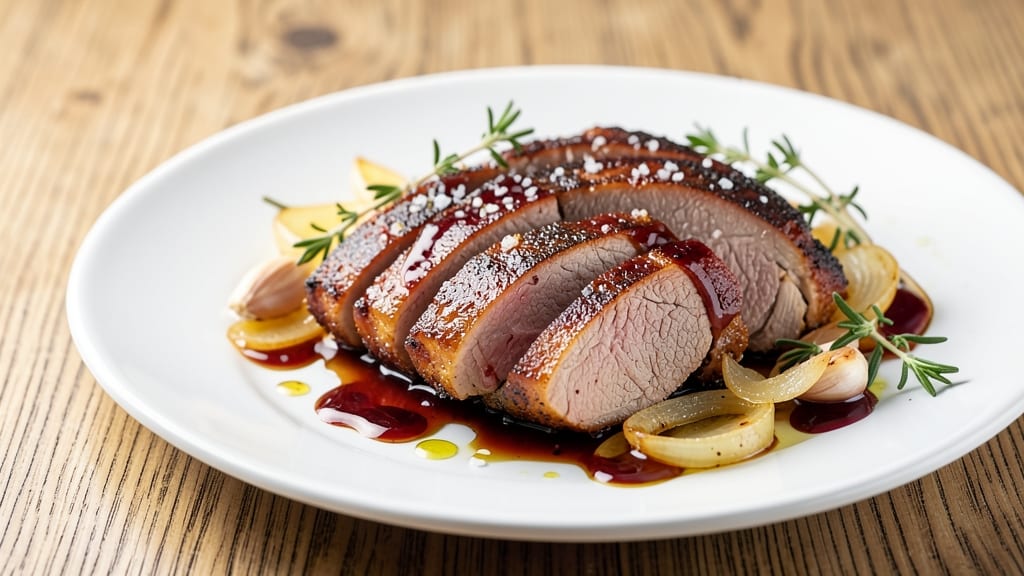
This pork loin apple cider vinegar recipe transforms tough cuts into melt-in-your-mouth perfection with a bright, tangy glaze that cuts through richness.
I developed it during a Charleston winter when I needed to showcase how acidity tenderizes pork while adding complexity—no fancy equipment required, just patience and a cast iron skillet. The vinegar breaks down collagen, creating that signature fork-tender texture while its sharpness balances the pork's natural sweetness.
The process begins with a simple marinade of apple cider vinegar, olive oil, and aromatic spices, then builds to a reverse sear that guarantees juicy centers and caramelized exteriors.
What sets this apart is the braising stage—where the pork simmers in its own juices until it's so tender it practically falls apart. I've perfected this method over years of cooking for crowds at The Smoky Pig, where we process 2,000 pounds of pork weekly.
By the final plate, you'll have fork-tender pork loin with a glossy, tangy glaze that's rich enough for Sunday dinner but bright enough to cut through heavy sides.
The vinegar's acidity also makes this dish incredibly versatile—pair it with roasted apples for a classic Southern touch or serve alongside mashed sweet potatoes for a holiday-worthy centerpiece. Every bite delivers that perfect balance of sweet, savory, and tangy.
This technique works equally well for roasts or chops, making it a game-changer for weeknight dinners or special occasions. The key is letting the vinegar work its magic during the braise—no rushing, just letting the flavors meld.
Trust me, once you try this method, you'll never cook pork loin the same way again.
Ingredients for pork loin apple cider vinegar
Pork loin, apple cider vinegar, and aromatic herbs create a tender, tangy masterpiece that transforms tough cuts into melt-in-your-mouth perfection.
| Ingredient | Amount | Notes |
|---|---|---|
| Boneless Pork Loin 🍖 | 2 lb | Center-cut, 1.5-inch thick slices |
| Apple Cider Vinegar 🍏 | ½ cup | Raw, unfiltered preferred |
| Extra-Virgin Olive Oil 🫒 | ¼ cup | For high heat searing |
| Yellow Onion 🧅 | 1 whole | Yellow or red, sliced |
| Garlic Cloves 🧄 | 6 cloves | Peeled, smashed |
| Fresh Thyme 🌿 | ¼ cup | Stems removed, chopped |
| Fresh Rosemary 🌿 | ⅛ cup | Needles only, chopped |
| Brown Sugar 🍚 | ¼ cup | Light or dark |
| Beef Broth 🍲 | 1 ½ cups | Low-sodium preferred |
| Dijon Mustard 🍯 | 1 tbsp | Mild or hot |
| Salt 🧂 | 1 ½ tsp | Diamond Crystal kosher salt |
| Black Pepper 🌶️ | 1 tsp | Freshly cracked |
| Apple Cider 🍎 | ¼ cup | For finishing glaze |
The pork loin is non-negotiable here—center-cut ensures even cooking and maximum tenderness. I always source mine from Whole Foods or my local butcher, looking for cuts with good marbling. The thickness matters too; 1.5-inch slices guarantee proper searing while keeping the center juicy. Apple cider vinegar should be raw and unfiltered—the cloudiness means more nutrients and better flavor. For the herbs, fresh is essential; dried won't cut through the richness like the real thing. If you're cooking for a crowd, Costco sells pre-sliced pork loin that saves time without sacrificing quality.
No apple cider vinegar? Balsamic vinegar at half the amount works in a pinch, though it'll lack that bright apple tang. Fresh thyme and rosemary can be swapped for dried at one-third the quantity, but honestly, it's not the same. The Dijon mustard adds depth—hotter varieties bring more complexity. For the glaze, I sometimes add a splash of honey or maple syrup to balance the acidity, but the apple cider alone does the trick. The beef broth should be low-sodium—we're adding plenty of salt already. And if you're short on time, pre-sliced onions from the grocery store work just fine.
This dish tastes even better the next day—3-4 days in the fridge, reheated gently. For make-ahead magic, prep the marinade and slice the pork the night before, then sear and braise in the morning. The glaze thickens as it cools, so add a splash of water or broth to loosen it before serving. Portion into containers for 3 months of freezer life—perfect for meal prep. Store the glaze separately if you're freezing; reheat it with the pork to restore its glossy finish.
Why You'll Love This Recipe
- One-Pan Magic: Sear the pork in the same pan you’ll finish it in—no extra dishes, no stress. The vinegar and onions caramelize right there while you’re chopping garlic, and honestly? That’s my kind of cooking.
- Tangy Crisp Perfection: The apple cider vinegar doesn’t just flavor—it creates this perfect balance: sweet from the onions, sharp from the vinegar, and that golden crust on the pork? It’s the kind of bite that makes you reach for seconds without thinking.
- Meal Prep MVP: Slice it thin for sandwiches, cube it for grain bowls, or serve it as-is with roasted veggies. I’ve made this for lunch the next day, packed it for work, and even used leftovers in tacos—it’s that adaptable.
- Pantry-Friendly Power: Three ingredients you already own (vinegar, oil, onion) and a protein that’s cheaper than chicken. Between us, this is how I feed my family well without breaking the bank—or spending hours in the kitchen.
Step-by-step instructions for braised pork loin with apple cider vinegar
Here's how to transform tough pork loin into melt-in-your-mouth perfection using this tangy, aromatic braising technique.
Sear the Pork Loin for Maximum Flavor
Heat a large Dutch oven over medium-high heat until hot. Add the 0.25 cup extra-virgin olive oil and swirl to coat the bottom evenly. Place the 2 lb boneless pork loin in the pan, fat-side down, and sear undisturbed for 4-5 minutes until a deep golden-brown crust forms. You'll see the edges darken slightly and hear a satisfying sizzle.
Flip the pork and sear the other side for another 3-4 minutes. This initial searing locks in juices and builds the foundation for rich flavor. Remove the pork and set it aside on a plate, leaving all the browned bits in the pan - these are pure flavor gold. Real talk: don't skip this step, as it makes all the difference in the final texture and taste.
Build the Aromatic Vinegar Base
In the same Dutch oven, add the 1 whole yellow onion sliced into even rounds and the 6 cloves garlic smashed with the side of your knife. Cook for 3-4 minutes until the onions soften and the garlic becomes fragrant - you should smell that sweet, pungent aroma filling your kitchen.
Stir in the 0.5 cup apple cider vinegar, scraping up all those browned bits from the bottom. Let it simmer for 2 minutes until it reduces by about half and the vinegar's sharpness mellows into something more complex. Here's the thing - this acidic base is what will tenderize the pork beautifully during braising.
Create the Herb-Sweet Braising Liquid
Add the 1.5 cups beef broth, 0.25 cup brown sugar, 1 tbsp Dijon mustard, 1.5 tsp salt, and 1 tsp black pepper to the Dutch oven. Stir well to combine all ingredients into a cohesive mixture. The sugar will begin to caramelize slightly, deepening the flavor profile.
Return the pork loin to the pot, placing it fat-side up. Add the 0.25 cup fresh thyme and 0.125 cup fresh rosemary, distributing them around the pork. The herbs will infuse their earthy aromas into the meat as it braises. Bring the liquid to a gentle simmer, then reduce heat to low to maintain a steady bubble.
Braise Until Fork-Tender
Cover the Dutch oven with a tight-fitting lid and braise for 2-2.5 hours, turning the pork occasionally to ensure even cooking. The pork is done when it reaches an internal temperature of 203°F and a fork slides in with virtually no resistance. Here's where patience pays off - the long, slow cook breaks down the connective tissue, transforming tough meat into something truly luxurious.
About 30 minutes before the pork is done, check the liquid level. If it's reduced too much, add 2-3 tablespoons of water to maintain adequate moisture. The pork should be swimming in flavorful liquid that's reduced but still coats the meat nicely when served.
Finish with Apple Cider Glaze
Remove the pork from the braising liquid and transfer it to a serving platter. Tent loosely with foil to keep warm. Skim any excess fat from the braising liquid, then add the 0.25 cup apple cider. Simmer uncovered for 3-4 minutes until the liquid reduces by about half and forms a glossy glaze.
Pour this fragrant glaze over the pork loin and serve immediately. The combination of tender, juicy meat with the tangy-sweet glaze creates a balance of flavors that's simply irresistible. Each bite should deliver that perfect harmony of rich pork, aromatic herbs, and bright vinegar notes that make this dish truly special.
Pro Tips For Making Pork Loin Apple Cider Vinegar
- Trim the Fat First: Pork loin can be deceptively fatty along the edges—take 10 minutes to trim it down before seasoning. I used to skip this, and the vinegar marinade would pool unevenly, leaving some parts soggy while others dried out. A sharp knife and a steady hand make all the difference here.
- Sear High, Then Simmer Low: Get that pork loin screaming hot in olive oil for 3-4 minutes per side before adding vinegar—you’re building flavor, not just cooking. Then drop the heat to medium-low and let it simmer uncovered. I learned this the hard way after boiling off all the vinegar’s tang in one rushed batch.
- Deglaze with Vinegar Slowly: Don’t dump the apple cider vinegar all at once—add it in two stages, scraping up browned bits after the first splash. The acid needs time to work its magic, and rushing it turns your pan sauce into a weak, watery glaze. Patience here means richer flavor.
- Use Raw Onion, Not Cooked: Toss in thinly sliced raw onion with the garlic at the end—just 2-3 minutes to soften, not caramelize. Cooking it first makes the dish taste dull, like someone microwaved the whole thing. Raw onion adds brightness that cooked onion can’t match.
Best sauces and condiments for pork loin apple cider vinegar
Classic Apple Cider Glaze
This is the star of the show—a simple yet transformative glaze made from the same apple cider vinegar used in the marinade. I use ½ cup apple cider vinegar reduced by half with ¼ cup apple cider added at the end.
The reduction creates a glossy, tangy-sweet finish that cuts through the richness of the pork. For extra depth, add 1 tsp honey or 1 tsp maple syrup during reduction. 🍏
Herb-Infused Mustard Sauce
Whisk together 2 tbsp Dijon mustard, 2 tbsp apple cider vinegar, 1 tbsp honey, and 1 tsp chopped fresh rosemary. Thin with 2 tbsp warm beef broth and drizzle over sliced pork.
This sauce adds a creamy contrast to the braised texture while keeping the vinegar's brightness. I often make a double batch to serve on the side.
Brown Butter Pan Sauce
After removing the pork, deglaze the Dutch oven with ¼ cup apple cider vinegar and 2 tbsp butter. Let the butter brown for 2 minutes, then whisk in 1 tbsp flour to thicken.
Finish with 1 tsp apple cider vinegar and a pinch of salt. This sauce adds a nutty richness that pairs perfectly with the vinegar's acidity. 🥄
Spiced Apple Compote
Simmer 1 cup diced apples, 2 tbsp apple cider vinegar, 1 tbsp brown sugar, and ½ tsp cinnamon for 10 minutes until tender. Serve alongside the pork for a sweet-tart contrast. I use this as a garnish or side dish—it’s especially nice during fall and winter months.
Creamy Horseradish Drizzle
Mix 2 tbsp sour cream, 1 tbsp prepared horseradish, and 1 tsp apple cider vinegar. Thin with a splash of water if needed.
This spicy-sour drizzle cuts through the richness of the pork and adds a kick. I serve it on the side for guests who love heat. 🌶️
Garlic-Herb Butter
Softened 4 tbsp butter mixed with 1 minced garlic clove, 1 tsp chopped thyme, and ½ tsp apple cider vinegar. Spread on warm slices of pork or serve as a dipping sauce.
This adds a luxurious finish that ties all the flavors together. I often make this ahead and keep it chilled until serving.
Nutrition facts
Frequently asked questions
Can I use a different cut of pork instead of loin?
This recipe works best with pork loin because of its lean, tender nature, but you can adapt it for pork shoulder or pork chops. For shoulder, increase braising time to 3-4 hours until fork-tender. For chops, reduce to 1-1.5 hours and use thinner cuts (½-inch thick). The vinegar's acidity helps tenderize tougher cuts like shoulder beautifully.
How do I know when the pork is fully cooked?
Use a meat thermometer to check the internal temperature—203°F is perfect for fork-tender results. The pork should also have a firm but yielding texture when pressed with tongs. If it's still slightly pink in the center, return it to the pot for 15-20 minutes more. Overcooking can make it dry, so don't rush this step!
Can I make this recipe in a slow cooker?
Sear the pork first in a skillet, then transfer it to your slow cooker with all the braising ingredients. Cook on low for 6-8 hours or high for 3-4 hours, adding 2-3 tablespoons of broth if the liquid reduces too much. The slow cooker's gentle heat works perfectly with the vinegar to tenderize the meat. Just avoid skipping the sear—it's key for flavor!
What's the best way to reheat leftovers?
Reheat gently in a skillet with a splash of beef broth or apple cider vinegar over low heat for 5-7 minutes to restore moisture. Avoid microwaving—it can dry out the pork. For extra richness, add a pat of butter or a drizzle of the original glaze. This dish actually tastes better the next day as flavors meld further!
Can I substitute apple cider vinegar with something else?
While apple cider vinegar gives this dish its signature tang, you can use white wine vinegar or red wine vinegar in a pinch (reduce to ¼ cup for similar acidity). For a sweeter profile, balsamic vinegar works but lacks the apple brightness. The key is maintaining acidity—without it, the pork won't tenderize as effectively. Always taste as you go!