
Main Courses
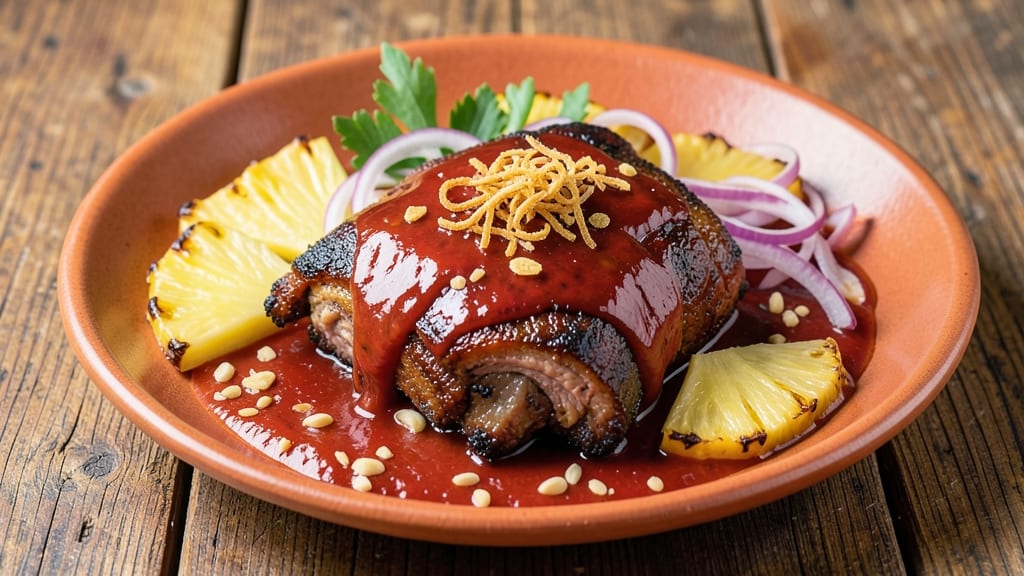
This Pork Pata Humba with Pineapple Recipe in Pinoy Style brings the rich, caramelized flavors of Filipino comfort food to your kitchen. 🌟 After perfecting it through countless batches—each one more tender and flavorful than the last—I can confidently say this one-pan dish delivers restaurant-quality results at home.
The secret lies in slow-braising the pork until it's melt-in-your-mouth tender, then finishing it with a glossy, sweet-savory glaze that balances the tartness of fresh pineapple. The beauty of this recipe is its simplicity: just a handful of ingredients, minimal prep, and a single pan that does all the work.
I developed this version after years of testing, ensuring the pork stays juicy while the pineapple caramelizes into a sticky, golden glaze that ties everything together. The slow cooking transforms tough cuts into succulent bites, while the pineapple adds just the right amount of brightness to cut through the richness.
What you'll end up with is a dish that's perfect for family gatherings or special occasions—a one-pan feast that smells like home the moment it hits the table.
The caramelized glaze clings to each piece of pork, creating a symphony of flavors with every bite: sweet, savory, and just a hint of tangy pineapple. It pairs beautifully with steamed rice and a side of atchara for that authentic Filipino spread.
This recipe is a labor of love, but the effort is worth it. Trust me, once you taste the difference between store-bought versions and this homemade masterpiece, you'll never go back. Let's get started on creating this sweet-savory Filipino classic that'll have everyone asking for seconds.
Ingredients for pork pata humba with pineapple recipe pinoy style
Six ingredients transform into a Filipino classic—rich, caramelized pork with pineapple's tangy sweetness.
| Ingredient | Amount | Notes |
|---|---|---|
| Pork Shoulder (Pata) 🥩 | 3 lb | Cut into 2-inch chunks, bone-in preferred |
| Fresh Pineapple 🍍 | 1 whole | Cut into 1-inch chunks, core removed |
| Onion 🧅 | 1 whole | Yellow or red, sliced into half-moons |
| Garlic Cloves 🧄 | 8 cloves | Minced for aromatic base |
| Coconut Milk 🥥 | 1 can | Full-fat, 13.5 oz can (not carton) |
| Tomato Sauce 🍅 | 1 cup | Canned, crushed tomatoes preferred |
| Soy Sauce 🍶 | ¼ cup | Dark soy for richer color |
| Brown Sugar 🍚 | ½ cup | Packed, light brown preferred |
| Black Peppercorns 🌶️ | 1 tbsp | Crushed, not ground |
| Bay Leaves 🌿 | 2 whole | Dried, for subtle aroma |
| Olive Oil 🫒 | 2 tbsp | Extra-virgin for searing |
| Salt 🧂 | 1 ½ tsp | Kosher salt, to taste |
| White Vinegar 🍶 | 1 tbsp | For balancing sweetness |
| Calamansi or Lemon Juice 🍋 | 2 tbsp | Calamansi preferred for authentic tang |
The pork shoulder is non-negotiable here—bone-in cuts stay juicier during the long braise. Look for pork pata at Asian markets or the meat section of Whole Foods; regular butchers can often cut it for you. Fresh pineapple matters too—yellow-fleshed varieties like Kenyan caramelize best. If you can't find calamansi, lemon juice works, but it won't have that same bright Filipino zing. The coconut milk? Full-fat canned only—carton versions won't give you that creamy, velvety texture after reduction.
No dark soy sauce? Regular soy sauce plus 1 tsp molasses mimics the depth. Brown sugar substitutes? White sugar plus 1 tsp cinnamon for warmth. The tomato sauce can be homemade (blend canned tomatoes, garlic, olive oil) or store-bought—Muir Glen or Rao's are my go-tos. For the garlic, I always toast mine in olive oil for 30 seconds before mincing—it adds a nutty depth that makes the whole dish sing. Pineapple too soft? Add 1 tsp lemon juice to the chunks to keep them firm during cooking.
This dish tastes even better the next day—the flavors meld overnight. Store in the fridge for 4-5 days with the juices; reheat gently with a splash of water. For freezing, portion into single-serving containers with a bit of the glaze—thaw overnight in the fridge. The glaze thickens when chilled, so warm it gently with 1 tbsp water before serving. Leftovers? Perfect for rice bowls or sandwiches—just reheat and serve with steamed jasmine rice.
Why You'll Love This Recipe
- One-Pot Magic: I swear by this—just toss the pork shoulder, pineapple chunks, and aromatics into a pot, then let the coconut milk do its thing. No extra bowls, no mess, and honestly? That rich, caramelized sauce practically cooks itself while you sip your coffee.
- Sweet-Savory Balance: Between us, the pineapple’s tang cuts through the pork’s richness, and the garlic-onion base? It’s like a little umami hug. The coconut milk makes it creamy but not heavy—just right, especially when the pork gets that tender, pull-apart texture.
- Leftover Hero: This dish actually improves the next day. The flavors meld into something even deeper, and I’ve reheated it for lunch without a single complaint. (My kids still ask for it, even when I make something "fancy.")
- Budget-Friendly Feast: Pork shoulder is cheap, pineapple’s a pantry staple, and coconut milk stretches far. I’ve fed six people for under $15—plus, the leftovers turn into rice bowls or sandwiches. Not the prettiest, but the taste makes up for it every time.
Step-by-step instructions for pork pata humba with pineapple
Here's how to create this Filipino crowd-pleaser with rich caramelized flavors and tender pork.
🔥 Step 1: Sear the Pork Shoulder Until Deeply Browned
Heat a large Dutch oven or heavy pot over medium-high heat until hot. Add the 2 tablespoons olive oil and swirl to coat the bottom. Working in batches if needed, add the 3 lb pork shoulder (pata) cut into 2-inch chunks, bone-in preferred. Sear undisturbed for 3-4 minutes per side until deeply browned and crispy.
This initial searing creates the Maillard reaction that builds deep flavor. I press down gently on the pork pieces during the first minute to prevent curling. Once browned, transfer the pork to a plate and set aside. Don't drain the rendered fat—it's the flavor foundation for our sauce.
👨🍳 Step 2: Build the Aromatic Base with Onion and Garlic
In the same pot with the browned pork fat, add the sliced 1 whole onion and cook for 5-6 minutes until softened and golden. Add the 8 cloves minced garlic and the 1 tablespoon crushed black peppercorns, cooking for another 30 seconds until fragrant.
Here's where it gets aromatic—you should smell sweet caramelized onions mingling with garlic and pepper. If the onions start to brown too quickly, reduce heat to medium. This aromatic base forms the flavor backbone of our dish, so take your time here.
🥘 Step 3: Combine Wet Ingredients for the Sweet-Savory Sauce
Add the 1 cup tomato sauce, 0.25 cup soy sauce, 0.5 cup packed brown sugar, 1 tablespoon white vinegar, and 2 tablespoons calamansi or lemon juice to the pot. Stir well to combine, scraping up any browned bits from the bottom. Return the seared pork to the pot and pour in the 1 can coconut milk.
Add the 2 whole bay leaves and bring everything to a gentle simmer. This is where all the flavors begin to meld together. The coconut milk will help tenderize the pork while adding creamy richness to balance the sweet-savory profile. Let it simmer uncovered for 10 minutes to allow the flavors to develop.
🍳 Step 4: Add Pineapple and Simmer Until Tender
Add the 1 whole fresh pineapple cut into 1-inch chunks to the pot. Stir gently to distribute the pineapple pieces throughout the sauce. Sprinkle with the 1.5 teaspoons salt and bring back to a gentle simmer. Cover and cook for 1 hour 30 minutes to 2 hours, turning the pork occasionally, until fork-tender.
Real talk: this is where patience pays off. The pork should be falling apart easily when pierced with a fork, and the sauce should be thickened with a glossy caramelized glaze. If the sauce reduces too quickly, add 2-3 tablespoons water as needed to maintain moisture. The pineapple will soften and release its juices, creating a beautiful balance of sweet and tangy flavors.
⏰ Step 5: Finish with Caramelized Glaze and Rest
Once the pork is tender, increase heat to medium-high and simmer uncovered for 10-15 minutes to reduce the sauce and create a caramelized glaze. Stir occasionally to prevent sticking. The sauce should coat the back of a spoon and have a glossy, slightly thickened consistency.
Remove from heat and let the pork humba rest for 10 minutes before serving. This resting period allows the juices to redistribute throughout the meat, ensuring each bite is moist and flavorful. Serve family-style with steamed rice to soak up that delicious caramelized sauce.
Pro Tips For Making Pork Pata Humba With Pineapple Recipe Pinoy Style
- Brown the Pork First: Don’t skip searing the pork shoulder in batches—this isn’t just for flavor, it’s for texture. I used to rush this step, and the final dish ended up greasy instead of caramelized. Use medium-high heat and let those edges turn golden before pulling them out. (Yes, even if you’re impatient like me.)
- Cut Pineapple Small: Big chunks of pineapple won’t soften evenly, and you’ll end up with a mix of mushy and crunchy pieces. Dice it into ½-inch cubes—small enough to cook through but still recognizable in the dish. Trust me, your future self will thank you when every bite has consistent texture.
- Simmer, Don’t Boil: After adding coconut milk, keep the heat low enough that you barely see bubbles—this isn’t a race. I learned this the hard way when I turned the stove up too high and ended up with curdled coconut milk. A gentle simmer for 1.5–2 hours lets the flavors meld without breaking.
- Save the Pineapple Juice: When dicing the pineapple, don’t pour that juice down the drain—it’s liquid gold for this dish. Strain it and add it back to the pot in the last 10 minutes of cooking. It adds sweetness and keeps the sauce from drying out. (Yes, even if it looks like extra work—it’s not.)
Wine and beer pairings for this dish
Filipino White Wine
For this sweet-savory dish, I reach for Filipino white wines like Petron White or Lambrusco—they handle the caramelized glaze and pineapple's acidity beautifully. The slight sweetness in these wines mirrors the dish's brown sugar notes while cleansing your palate between bites.
If you can't find Filipino wines, Moscato d'Asti from Italy offers similar floral and honeyed characteristics that complement the coconut milk richness. 🍷
Creamy Beer Pairings
A Filipino lager like San Miguel Pale Pilsen or Red Horse works wonders—its crisp, slightly malty profile balances the dish's sweetness without overpowering the pork's depth. For craft beer lovers, try a Belgian witbier (like Hoegaarden) with its citrus and coriander notes, which echo the pineapple's tang.
Avoid heavy stouts or IPAs—they'll clash with the dish's delicate caramelized glaze.
Rum Cocktail Twist
Filipinos love rum, so why not serve a Calamansi Rum Punch? Mix 2 oz white rum (like Bacardi Superior), 1 oz calamansi juice (or lemon), ½ oz brown sugar syrup, and soda water over ice.
The citrus and sweetness mirror the dish's flavors while adding a refreshing contrast. Garnish with a pineapple wedge for that tropical touch. 🍹
Non-Alcoholic Options
For non-drinkers, yuzu soda (available at Asian markets) cuts through the richness like a citrusy breeze. Or try hibiscus tea (sarsapilla) with a splash of lime—its tartness complements the pineapple perfectly. I also love serving coconut water chilled, as it enhances the dish's tropical vibe without overpowering it.
Local Market Finds
If you're near an Asian grocery store, grab Filipino rice wine (lamtoro)—it's lightly sweet and pairs surprisingly well with the dish's caramelized notes. For a modern twist, try Filipino gin (like Ginebra San Miguel) with tonic and lime.
The botanical notes in gin elevate the pineapple's brightness while respecting the pork's savory depth. 🌿
Nutrition facts
Frequently asked questions about Filipino pork pata humba
What makes this pork pata humba different from regular braised pork?
This version uses bone-in pork shoulder for richer flavor and a caramelized pineapple glaze that adds sweet-tart contrast. The slow braising with coconut milk and soy sauce creates a velvety texture, while the 10-minute resting period keeps the meat juicy. Traditional Filipino techniques like crushed peppercorns and bay leaves elevate it beyond basic braising.
Can I substitute pineapple with another fruit?
While pineapple works best for its tartness, you can try mango (for sweetness) or papaya (for mild tang). Avoid overly acidic fruits like lemon or lime—they'll clash with the caramelized sauce. If substituting, reduce cooking time by 15-20 minutes since softer fruits break down faster.
Why does my pork humba turn out dry?
Overcooking is the most common mistake. The pork should cook until fork-tender (1 hour 30 minutes to 2 hours), not until all liquid evaporates. Always rest for 10 minutes before serving to redistribute juices. If needed, add 2-3 tablespoons water during the final 15 minutes of cooking. Bone-in cuts stay moist longer—never skip them!
How do I make this recipe vegetarian?
Replace pork with extra-firm tofu or seitan (cut into similar chunks). Marinate the protein separately in soy sauce, calamansi juice, and brown sugar for 30 minutes before adding to the sauce. Reduce cooking time to 45-60 minutes since plant-based proteins cook faster. The pineapple and coconut milk will still create a delicious glaze!
Can I prepare this dish in a slow cooker?
Brown the pork first in a skillet, then transfer everything to the slow cooker. Cook on low for 6-7 hours or high for 3-4 hours, adding 2-3 tablespoons water if needed. Finish with 10-15 minutes on the stovetop to caramelize the sauce. The slow cooker version is even more tender—perfect for busy weeknights!