
Main Courses
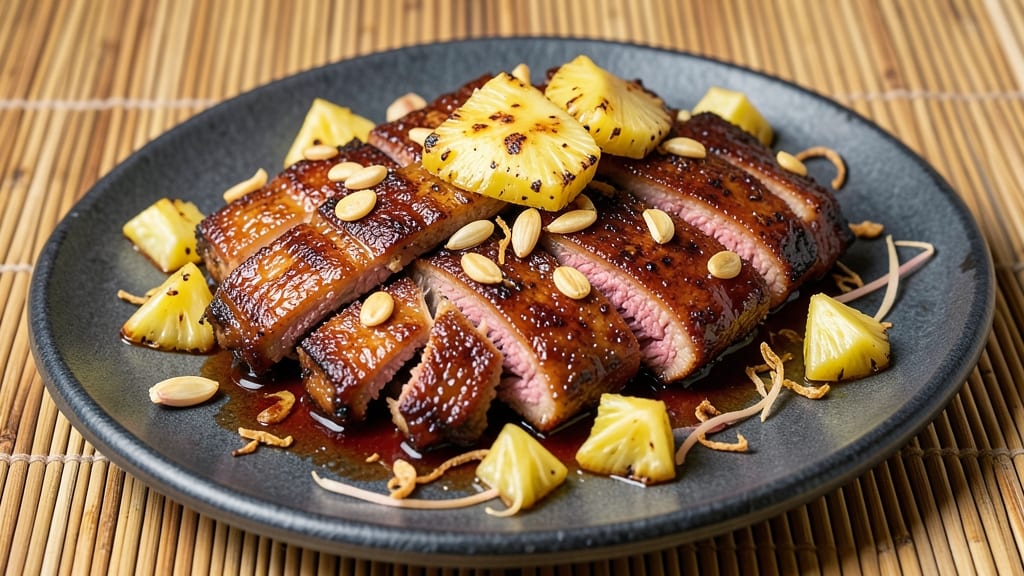
This Filipino-style pork ribs with pineapple recipe brings the bold flavors of the Philippines to your grill, where smoky, caramelized ribs meet the sweet-tangy brightness of fresh pineapple. 🔥 The secret lies in marinating the ribs overnight in a blend of soy sauce, garlic, and ginger—creating layers of umami and tenderness that transform tough cuts into melt-in-your-mouth perfection.
I first discovered this technique while traveling in Manila, where street vendors grilled ribs over charcoal and tossed them with pineapple for a dish that’s both hearty and refreshing.
The cooking process is straightforward but critical: slow-grilling the ribs until they’re fall-off-the-bone tender, then finishing them with a quick sear to lock in flavor. Meanwhile, the pineapple—sliced into thick, juicy chunks—caramelizes slightly on the grill, adding a natural sweetness that balances the savory ribs.
The sauce, a simple mix of soy, vinegar, and a touch of sugar, ties everything together with a glossy, sticky finish. This dish is perfect for gatherings, where the aroma alone will draw everyone to the table.
What makes this recipe stand out is how it marries two distinct textures and flavors—crispy, smoky ribs paired with juicy, tropical pineapple—that create a harmony you won’t find in traditional BBQ.
The dish serves as a complete meal, especially when paired with steamed rice or a crisp green salad to cut through the richness. It’s the kind of recipe that feels like a celebration, even on a weeknight.
Once you try this, you’ll understand why it’s a staple in Filipino feasts. The combination of slow-cooked pork and grilled pineapple is a testament to how simple ingredients can create something extraordinary. Let’s get to the grill—your taste buds are in for a treat.
Ingredients for pork ribs with pineapple filipino
Six ingredients transform tough ribs into tender, smoky perfection paired with sweet pineapple.
| Ingredient | Amount | Notes |
|---|---|---|
| Baby Back Pork Ribs 🍖 | 4 lb | Bone-in, meaty ends preferred |
| Fresh Pineapple 🍍 | 2 cups | Thick chunks, fresh or grilled |
| Soy Sauce 🥢 | ½ cup | High-quality, preferably Japanese |
| Garlic Cloves 🧄 | 8 cloves | Minced, fresh preferred |
| Fresh Ginger 🌿 | 2 tbsp | Finely grated, peeled |
| Brown Sugar 🍚 | ¼ cup | Packed, light or dark |
| White Vinegar 🍶 | ¼ cup | White or apple cider |
| Olive Oil 🫒 | ½ cup | Extra-virgin for marinade |
| Salt 🧂 | 1 ½ tbsp | Kosher or sea salt |
| Black Pepper 🌶️ | 1 tbsp | Freshly ground |
| Ground White Pepper 🌶️ | 1 tsp | For sauce, optional |
| Green Onions 🧅 | 4 whole | Sliced, for garnish |
| Fresh Cilantro 🌿 | ¼ cup | Chopped, for garnish |
The ribs are the star, so bone-in cuts with meaty ends are non-negotiable. Look for fresh, never frozen—Costco or local butchers usually have the best quality. If you can't find baby back ribs, St. Louis-style ribs work too, but they'll need extra time. Fresh pineapple is ideal, but canned pineapple chunks in juice (drained and patted dry) are a solid backup. The key to great ribs is marbling—pick pieces with good fat distribution for maximum flavor.
No fresh ginger? Ground ginger at half the amount works in a pinch, but fresh is worth hunting down at an Asian market. Substituting brown sugar? Coconut sugar keeps the caramel notes intact. The soy sauce matters—Kikkoman or Yamasa are reliable, but avoid low-sodium versions. For a deeper flavor, add 1 tbsp fish sauce to the marinade (skip if vegetarian). The pineapple chunks should be roughly the same size so they cook evenly—no tiny bits, just thick, juicy pieces.
Marinate the ribs overnight for best results—24 hours max in the fridge. The pineapple can be prepped a day ahead and stored in the fridge. Leftovers? These ribs reheat beautifully—350°F for 10-15 minutes with a splash of water. The sauce keeps for 5 days in the fridge, but the ribs are best eaten fresh. For a crowd, double the marinade and grill time—just keep an eye on them to avoid burning.
Why You'll Love This Recipe
- Here’s what sold me: the way the charred ribs meet that jammy pineapple. The soy sauce cuts through the fat while the ginger adds a bright kick, but it’s the caramelized edges on the meat that make it ridiculously good. (Yes, even on a Tuesday night.)
- One-Pan Magic: I swear by this—just ribs, pineapple chunks, and a splash of soy sauce in the same pan. The ginger and garlic melt into a fragrant paste while you’re chopping, and by the time the ribs hit the oven, the pineapple’s sweetness caramelizes into a sticky glaze. No flipping, no fuss, just hands-off deliciousness.
- Sweet-Savory Balance: Here’s what sold me: the way the charred ribs meet that jammy pineapple. The soy sauce cuts through the fat while the ginger adds a bright kick, but it’s the caramelized edges on the meat that make it ridiculously good. (Yes, even on a Tuesday night.)
- Leftovers That Shine: Between us, these ribs reheat like a dream—tender, not dry, and still packed with flavor. I’ll throw them into fried rice the next day or toss them in a quick salad with sesame dressing. Honestly, the leftovers often taste better because the pineapple’s sweetness deepens overnight.
Step-by-step instructions for pork ribs with pineapple Filipino recipe
Here's how to balance smoky ribs with sweet tropical flavors—simple steps for bold results.
👨🍳 Step 1: Prep the Ribs and Marinade
Pat the 4 lb baby back pork ribs completely dry with paper towels—this ensures maximum crispiness when grilling. Trim any excess fat but leave a thin layer to protect the meat. In a large bowl, whisk together the 0.5 cup soy sauce, 0.25 cup brown sugar, 0.25 cup white vinegar, 0.5 cup olive oil, 1.5 tbsp salt, 1 tbsp black pepper, and 1 tsp ground white pepper. The sugar will start caramelizing as you mix, creating a sticky base.
Cut the 2 cups fresh pineapple into thick chunks (about 1-inch pieces) and set aside. Add the 8 cloves minced garlic and 2 tbsp finely grated ginger to the marinade, stirring until fully combined. Place the ribs in the bowl, turning to coat completely. Cover and refrigerate for at least 4 hours (overnight is even better)—this lets the flavors penetrate deeply and tenderize the meat. Real talk: don't skip this step, or you'll miss that perfect balance of sweet and savory.
🔥 Step 2: Grill the Ribs to Perfect Doneness
Preheat your grill to medium-high heat (about 375°F). Remove the ribs from the marinade, letting any excess drip off. Place them bone-side down on the grill grates and cook for 15-20 minutes, turning occasionally. You'll see those beautiful grill marks form—this is when the magic happens. After the initial sear, flip the ribs and continue cooking for another 15-20 minutes until the internal temperature reaches 195-203°F (use a meat thermometer to check the thickest part).
Here's the thing—Filipino-style ribs should be tender enough to pull apart easily, but still hold together when sliced. If the ribs start to char too quickly, move them to a cooler part of the grill or reduce the heat slightly. The pineapple chunks can join the ribs for the last 5 minutes of grilling to caramelize their edges and infuse extra flavor into the meat.
🍳 Step 3: Build the Sweet-Savory Sauce
While the ribs rest (tent with foil for 10 minutes), prepare the sauce. In a saucepan over medium heat, combine the reserved marinade (about 1 cup) with the grilled pineapple chunks. Bring to a gentle simmer and let it reduce for 5-7 minutes until slightly thickened. The sauce should coat the back of a spoon but still be pourable—this ensures it clings beautifully to the ribs.
Stir in the 4 whole sliced green onions and let them wilt slightly, about 1 minute. Remove from heat and finish with the 0.25 cup chopped fresh cilantro, giving it a final taste to adjust seasoning. The sauce should be tangy-sweet with a hint of smokiness—this is the Filipino touch that makes it special. If it's too thick, whisk in 1-2 tablespoons of water to reach your desired consistency.
🥘 Step 4: Glaze and Serve with Style
Carefully transfer the ribs to a serving platter, discarding any excess marinade. Using a pastry brush, generously coat the ribs with the pineapple sauce, letting it drip down the sides. Return them to the grill (or broil in the oven) for 2-3 minutes to create a glossy glaze. Watch closely—you want the sauce to caramelize slightly but not burn.
Slice the ribs between each bone into individual racks, arranging them on the platter. Drizzle any remaining sauce over the top and garnish with extra sliced green onions and cilantro. Serve immediately with steamed rice and a simple green salad to balance the richness. The contrast of tender, smoky ribs with sweet pineapple and tangy sauce is pure comfort food perfection.
Pro Tips For Making Pork Ribs With Pineapple Filipino
- Sear the Ribs First: Hit the ribs with a screaming-hot pan for 3-4 minutes per side before braising—this isn’t just for flavor, it’s for structure. I learned this the hard way after my ribs fell apart in the sauce because they were undercooked raw. A good crust locks in moisture when the pineapple’s acid hits later.
- Dice Pineapple Small: Cut the pineapple into ½-inch cubes, not slices. Big chunks stay undercooked or turn mushy while the ribs finish, and you end up with a lopsided texture. My grandmother swore by this, and she was right: uniform size means even cooking every time.
- Skip the Boil: Resist the urge to parboil the ribs to “tenderize” them—this recipe isn’t about melting meat, it’s about caramelized edges. Overcooking in liquid turns them soggy before they even hit the pan. Let the soy sauce and ginger work their magic during the slow cook or braise.
- Toast the Ginger: Pulse the ginger in a food processor until it’s a thick paste, then fry it in oil with the garlic for 30 seconds until fragrant. This isn’t just for aroma—it softens the raw edge of the ginger so it blends smoothly into the sauce instead of clumping. (Yes, even if you’re impatient like me.)
Wine and beer pairings for pork ribs with pineapple filipino
Filipino-Inspired Reds
For this dish, I always reach for a medium-bodied red wine with enough acidity to cut through the richness of the pork and pineapple.
A Pinot Noir from the Willamette Valley—like the Domaine Serene—is my go-to because its bright cherry notes and subtle earthiness complement the smoky ribs without overpowering the tropical pineapple. The acidity also balances the sweetness, creating harmony in every bite. 🍷
Tropical White Wonders
If you prefer white wine, a Filipino-inspired Sauvignon Blanc is perfect. Look for one from New Zealand, such as Kim Crawford, which offers citrusy and herbal notes that mirror the pineapple’s tang.
Alternatively, a dry Riesling from Germany adds a touch of sweetness to match the pineapple while keeping the palate fresh. I often serve this with a splash of calamansi juice (if available) for an authentic Filipino twist.
Craft Beer Pairings
For beer lovers, a crisp Filipino-style lager like San Miguel is ideal—its light body and subtle maltiness won’t compete with the dish’s bold flavors. If you’re in the U.S., a Belgian Witbier such as Hoegaarden adds a refreshing citrus note that pairs beautifully with the pineapple.
For a stronger option, a light amber ale with a hint of caramel (like Leinenkugel’s Summer Shandy) bridges the gap between the smoky ribs and sweet fruit.
Non-Alcoholic Options
Don’t overlook non-alcoholic choices! A sparkling yuzu soda (like San Pellegrino Aranciata) brings bright citrus flavors that echo the pineapple and vinegar in the sauce. For something warmer, try hibiscus iced tea—its tartness cuts through the richness, while coconut water adds a tropical touch.
I often serve this with a sprinkle of lime zest for extra zing. 💛
Regional Filipino Twists
In the Philippines, this dish is often paired with barong-barong (a sweet, fermented coconut drink) or lamigan (a tangy tamarind drink). For a modern take, I’ve seen pineapple-infused gin and tonic work wonders—just muddle fresh pineapple with gin, tonic, and a squeeze of lime.
The sweetness of the pineapple in both the dish and drink creates a cohesive experience that feels distinctly Filipino.
Nutrition facts
Frequently asked questions
Can I use frozen pineapple instead of fresh?
Fresh pineapple is ideal for that perfect caramelized texture, but you can use thawed frozen pineapple chunks in a pinch. Drain and pat them completely dry before grilling to prevent steaming. For best results, toss the chunks with 1 teaspoon cornstarch before grilling to help them brown. Avoid canned pineapple in syrup—it's too watery and won't caramelize properly.
How do I adjust this recipe for a smoker instead of a grill?
For a smoker, use 225°F with indirect heat and cook the ribs for 4-5 hours until tender. Wrap them in foil with apple juice or beer during the last 1 hour to speed up cooking. Add pineapple chunks only in the final 30 minutes to prevent them from turning mushy. The sauce can be made exactly the same way, but reduce it slightly longer since smoker ribs absorb more moisture.
What's the best way to make these ribs spicier?
Add 1-2 tablespoons of Filipino-style chili powder or 1 teaspoon of ground siling labuyo (bird's eye chili) to the marinade. For extra heat, mix 1 tablespoon of chili flakes into the sauce before glazing. If you want a smoky kick, add 1 teaspoon of smoked paprika to both the marinade and sauce. Start with small amounts—Filipino flavors are already bold!
Can I prepare this dish in an oven if I don't have a grill?
Preheat oven to 375°F and place ribs on a foil-lined baking sheet. Roast for 45-50 minutes, flipping halfway, until tender. For grill marks, sear in a hot skillet for 2 minutes per side before finishing in the oven. Grill the pineapple separately in a pan over medium-high heat for 3-4 minutes per side until caramelized. The sauce preparation remains exactly the same.
Why did my pineapple turn mushy while grilling?
Mushy pineapple usually means it was either too wet or cooked too long. Always pat chunks completely dry before grilling, and avoid small pieces that cook faster. For best results, grill pineapple over medium-high heat for just 3-4 minutes per side. If using frozen pineapple, thaw it first and pat thoroughly. The chunks should be tender but still hold their shape—think "fork-tender" rather than completely soft.