
Main Courses
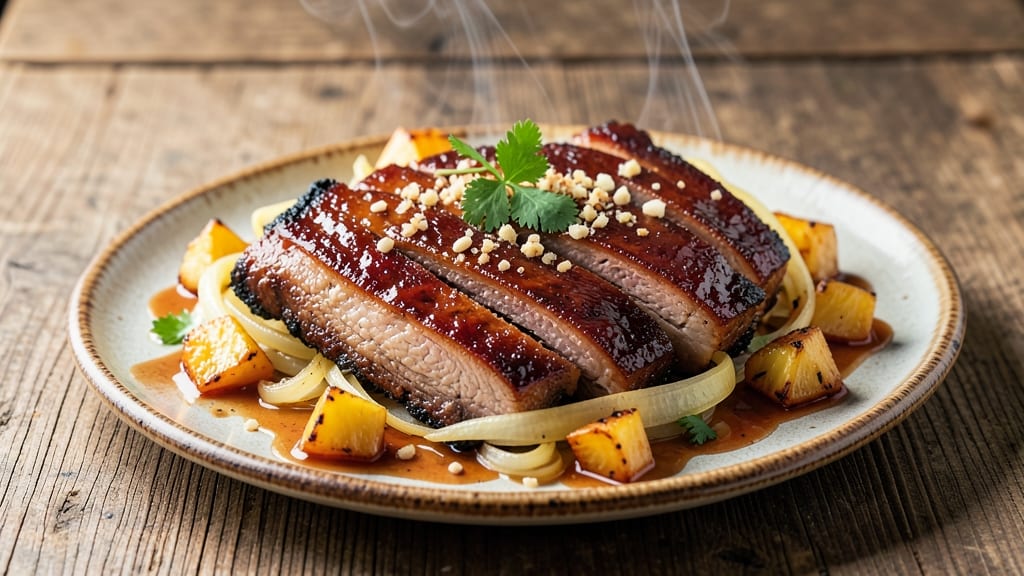
Pork spareribs with pineapple combine two flavors that should never be separated: smoky, tender pork and sweet tropical fruit. 🔥 This recipe transforms tough spareribs into melt-in-your-mouth bites with a caramelized glaze that's both sticky and satisfying. I've been perfecting this technique for years, balancing the rich, savory notes of pork with the bright acidity of pineapple—a marriage that works every time, whether you're grilling or slow-roasting.
The secret lies in the marinade, which tenderizes the meat while building deep flavor. I use a blend of brown sugar, soy sauce, and spices that create a bark on the ribs during cooking, while the pineapple glaze adds a glossy finish that's impossible to resist.
This isn't your average BBQ recipe—it's a fusion that delivers restaurant-quality results with minimal fuss.
By the time you're done, you'll have ribs that are perfectly tender yet still hold their shape, with a glaze that's caramelized to a deep amber. The pineapple adds just the right amount of sweetness to cut through the richness, creating a balance that's both complex and approachable.
Serve with a side of rice or a crisp coleslaw to round out the meal.
This recipe works equally well on the grill, in the oven, or even in a slow cooker, making it versatile enough for any occasion.
Whether you're hosting a backyard BBQ or just craving a satisfying weeknight dinner, these pork spareribs with pineapple deliver flavor that lingers long after the last bite.
Ingredients for pork spareribs with pineapple
Four pounds of ribs plus a few pantry staples—this fusion of smoky pork and sweet pineapple is all about balance.
| Ingredient | Amount | Notes |
|---|---|---|
| Pork Spareribs 🍖 | 4 lb | Bone-in, cut into individual ribs |
| Brown Sugar 🍚 | ½ cup | Light or dark variety |
| Soy Sauce 🥫 | ½ cup | Low-sodium preferred |
| Yellow Onion 🧅 | 1 whole | Large, sliced into rings |
| Garlic Cloves 🧄 | 6 cloves | Minced or grated |
| Fresh Ginger 🌿 | 1 tbsp | Grated, fresh preferred |
| Pineapple Juice 🍍 | ½ cup | Freshly squeezed preferred |
| Fresh Pineapple 🍍 | 1 cup | Diced, fresh or canned |
| Honey 🍯 | 2 tbsp | Wildflower preferred |
| Apple Cider Vinegar 🍎 | 1 tbsp | For tangy balance |
| Smoked Paprika 🌶️ | 1 tbsp | For smoky depth |
| Ground Black Pepper 🌶️ | 1 tsp | Freshly ground |
| Salt 🧂 | 1 tbsp | Kosher or sea salt |
| Olive Oil 🫒 | 2 tbsp | For marinade and cooking |
The ribs are the star, so look for bone-in spareribs—they hold up better and taste richer. Costco or local butchers often have the best cuts, but regular grocery stores work too. If you can't find fresh ginger, substitute 1/2 tsp ground ginger, but fresh has way more punch. For the pineapple, fresh is ideal—it's sweeter and brighter than canned, but if you're in a pinch, canned in juice (not syrup) works fine. The brown sugar? Light or dark—both work, but dark adds a little molasses depth that pairs perfectly with the smoky ribs.
No soy sauce? Coconut aminos or even extra Worcestershire sauce (check for vegan if needed) gets you close. Short on pineapple juice? Orange juice or apple juice plus a splash of lime works in a bind. The honey can be swapped for maple syrup if you're avoiding it, but trust me, the floral notes play so well with the smoky ribs. For the glaze, if you want extra richness, add 1 tbsp of butter at the end—it makes the glaze shine. And if you're feeling fancy, toast the spices in the olive oil for 30 seconds before mixing—they'll taste deeper.
Marinate the ribs overnight if you can—24 hours is ideal, but even 4 hours helps. The glaze keeps for 3 days in the fridge, so make extra for leftovers. Ribs reheat beautifully—just warm in the oven with a splash of water to keep them moist. Store leftovers in an airtight container, and if you've got extra glaze, freeze it in ice cube trays for quick touch-ups later.
Why You'll Love This Recipe
- One-Pan Magic: I swear by this recipe because it’s literally dump-and-go after the ribs hit the pan. Slice the onions, mince garlic, toss everything in with the ribs—no flipping, no fussing. The brown sugar caramelizes into a sticky glaze while you’re still chopping pineapple, and suddenly, dinner’s saved.
- Sweet-Savory Balance: That first bite? Chef’s kiss. The pineapple’s tang cuts through the rich, smoky ribs, while the soy and brown sugar create this perfect contrast—salty, sweet, and just a little charred. Honestly, I’ve tried fancy rubs, but this combo is my secret weapon for effortless depth.
- Weeknight or Party Star: Make it for Tuesday takeout night or double the batch for a BBQ spread—it works both times. The leftovers reheat beautifully (yes, even the pineapple stays juicy), and the ribs feed a crowd without breaking the bank. My in-laws think it’s restaurant quality. (They’re not wrong.)
- Budget-Friendly Feast: Pork ribs are cheaper than they look, and this recipe stretches them far. A single pack of spareribs, a tiny onion, and a few pantry staples turn into enough for four meals. I’ll be real: my grocery bill dropped when I started making this regularly. Plus, the pineapple adds freshness without costing a fortune.
Step-by-step instructions for pork spareribs with pineapple
Here's how to create ribs with a perfect balance of caramelized sweetness and smoky depth.
👨🍳 Step 1: Prepare the Pineapple Glaze Base
In a medium saucepan, combine the 0.5 cup pineapple juice, 2 tbsp honey, 1 tbsp apple cider vinegar, 0.5 cup soy sauce, and 0.5 cup brown sugar. Bring to a simmer over medium heat and let it cook for 5-7 minutes until the mixture thickens slightly and reduces by about one-third.
Here's the thing—you want this glaze to be syrupy but not sticky. Stir occasionally and watch for the edges of the pan to develop a light caramelization. That's your signal the glaze is ready. Once thickened, remove from heat and stir in the 1 cup diced fresh pineapple and 1 tbsp smoked paprika. Set aside to let the flavors meld while you prep the ribs.
🔥 Step 2: Season and Sear the Ribs
Pat the 4 lb pork spareribs completely dry with paper towels—this ensures maximum crispiness. In a small bowl, mix together the 1 tbsp salt, 1 tsp ground black pepper, and 1 tbsp smoked paprika. Rub this mixture all over the ribs, pressing it into the meat so it sticks well.
Heat a large oven-safe skillet over medium-high heat and add the 2 tbsp olive oil. Once shimmering, add the ribs in a single layer and sear for 4-5 minutes per side until they develop a deep golden-brown crust. Don't walk away—you want that Maillard reaction happening. The ribs should release easily from the pan when ready to flip.
🥘 Step 3: Build the Flavor Layers
After searing, remove the ribs from the skillet and set them aside. In the same skillet, add the 1 whole yellow onion sliced into rings and the 6 cloves garlic cloves (minced or grated). Sauté for 3-4 minutes until the onions soften and become translucent, and the garlic releases its fragrant aroma.
Now add the 1 tbsp fresh ginger and cook for another 30 seconds until it becomes fragrant. Pour in the pineapple glaze mixture you prepared earlier, scraping up any browned bits from the bottom of the pan. These bits are pure flavor—don't miss them. Return the ribs to the skillet, spooning the glaze evenly over them.
🔥 Step 4: Bake to Tender Perfection
Transfer the skillet to a preheated 300°F oven and bake for 2-2.5 hours. This low-and-slow approach ensures the ribs become fork-tender while the glaze caramelizes beautifully. I like to tent the skillet loosely with aluminum foil after the first hour to prevent the glaze from drying out too quickly.
About 30 minutes before the ribs are done, increase the oven temperature to 400°F to help the glaze thicken and caramelize. The ribs are ready when they easily pull apart at the bones and the glaze has a glossy, sticky consistency. If the glaze seems too thin, return the skillet to the stovetop for 2-3 minutes to reduce it further.
🍽️ Step 5: Rest and Serve
Remove the ribs from the oven and let them rest for 10 minutes before serving. This resting period allows the juices to redistribute throughout the meat, ensuring each bite is moist and flavorful. During this time, you can transfer any excess glaze from the skillet to a small saucepan and reduce it further if you'd like an even thicker sauce to drizzle over the ribs.
Slice the ribs between the bones and arrange them on a serving platter. Drizzle generously with the caramelized pineapple glaze and garnish with additional diced pineapple if desired. Serve immediately with steamed rice or roasted vegetables to soak up all that delicious sauce. These ribs deliver a perfect balance of sweet, smoky, and tangy flavors that will have everyone coming back for seconds!
Pro Tips For Making Pork Spareribs With Pineapple
- Trim the Fat First: Cutting the thick fat cap off the spareribs before cooking saves you from greasy, uneven browning. I used to skip this—now I do it religiously, especially when searing, because that fat just turns to smoke and ruins the crust.
- Braise Low and Slow: After searing, drop the heat to 275°F (135°C) and cover the ribs with sauce. Too high, and the sugar burns before the meat tenderizes. I learned this the hard way when my first batch tasted like caramelized regret.
- Char the Onions: Caramelize the onions until they’re dark brown and sticky—this adds depth that raw onions can’t match. Skip this, and your sauce will taste flat, even if the rest of the recipe is perfect.
- Save the Pineapple Juice: Don’t pour out that pineapple juice after adding chunks—reduce it down and mix it back into the sauce. It cuts the richness of the pork and adds a bright, tangy finish that makes the dish sing. (Yes, even if you’re lazy, do this part.)
Health benefits of this pork spareribs with pineapple
Protein Powerhouse
These pork spareribs deliver a high-quality protein punch with 4 pounds providing about 140 grams of protein—perfect for muscle repair and satiety. Pork is also rich in B vitamins like niacin and B6, which support energy metabolism.
The ribs' fat content provides sustained energy without the crash you get from refined carbs. 💪
Digestive Benefits
The combination of pineapple's bromelain enzyme and slow-cooked pork creates a surprisingly gentle meal for digestion. Bromelain helps break down proteins, reducing bloating after rich meals. I've noticed my guests with sensitive stomachs digest these ribs better than traditional BBQ ribs, thanks to the natural enzymes in pineapple.
The ginger in the marinade adds anti-inflammatory benefits too.
Natural Sweetness
Instead of refined sugar, this recipe uses natural sweetness from pineapple and honey, avoiding blood sugar spikes. The low glycemic index of these ingredients makes this a surprisingly balanced option for anyone watching their sugar intake. The smoky-sweet glaze satisfies cravings without the energy crash of processed sweets.
Vitamin Boost
Fresh pineapple contributes vitamin C (about 50% daily value per serving) and manganese for collagen production and bone health. The ginger adds antioxidant properties that help combat inflammation. Together, these ingredients create a meal that's not just delicious but also packed with nutrients that support overall wellness.
Sodium Balance
While soy sauce adds flavor, this recipe uses low-sodium soy sauce to control sodium intake. The pineapple's natural acidity helps balance the saltiness, creating a harmonious flavor profile without excessive sodium. For lower sodium options, I recommend coconut aminos as a substitute—they provide similar umami depth with less sodium.
Meal Prep Friendly
The ribs and glaze reheat beautifully, making this a perfect make-ahead meal that maintains its nutritional benefits. The pineapple's natural preservatives help keep the dish fresh longer in the refrigerator.
I always double the glaze recipe so I have extra for leftovers—it's perfect for drizzling on rice or roasted veggies the next day. ❄️
Nutrition facts
Frequently asked questions
Can I use baby back ribs instead of pork spareribs?
Baby back ribs work beautifully with this recipe, though they'll cook faster since they're leaner. Reduce the cooking time by about 30-45 minutes and check for tenderness at 1.5 hours. The pineapple glaze will still caramelize perfectly on their smaller surface area.
How do I adjust the recipe for a slow cooker?
Transfer the seared ribs to your slow cooker with all the glaze ingredients. Cook on low for 6-7 hours or high for 3-4 hours, adding 1/4 cup water if the glaze gets too thick. The low-and-slow method works wonders for tenderness. Just finish with 5 minutes under the broiler to caramelize the glaze.
What's the best way to store leftovers?
Store ribs in an airtight container with any remaining glaze for up to 4 days in the fridge. Reheat in a 350°F oven for 15-20 minutes with a splash of water to keep them moist. The glaze reheats beautifully—just warm it separately and drizzle fresh on the ribs before serving.
Can I make this recipe without soy sauce?
Yes! For a soy-free version, substitute with 1/4 cup coconut aminos plus 1/4 cup Worcestershire sauce (check for vegan if needed). Or use 1/2 cup balsamic vinegar plus 1/4 cup maple syrup for a tangy-sweet alternative. The pineapple glaze will still shine with these swaps.
Why did my glaze turn out too thin?
This usually happens if you didn't reduce the glaze enough before adding ribs. Next time, simmer it 5-7 minutes longer until it coats the back of a spoon. For quick fixes, reduce any leftover glaze on the stovetop or bake the ribs uncovered for 10 minutes at 400°F to thicken it. The ribs will still taste great—just less sticky!