
Sauces & Condiments
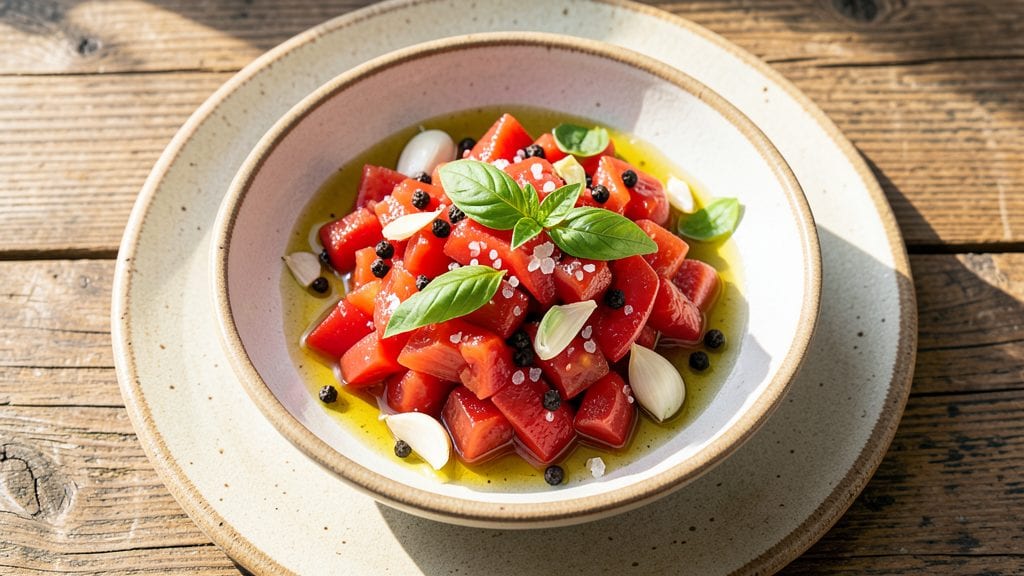
This tomato concasse recipe transforms fresh tomatoes into a vibrant, chunky sauce that elevates pasta dishes, bruschetta, and more in just 15 minutes. The key lies in peeling, seeding, and finely dicing tomatoes to create a bright, flavorful base that’s far superior to canned options.
I developed this method after realizing how much richer homemade tomato sauce tastes when made from scratch.
What makes this sauce special is its simplicity and versatility. With just a few ingredients—ripe tomatoes, olive oil, garlic, and fresh basil—you’ll achieve a chunky, bright sauce that’s perfect for tossing with al dente pasta or spreading on toasted bread.
The technique ensures no bitterness from tomato skins or seeds, leaving only the juicy, flavorful pulp to shine.
By the time you’re done, you’ll have a restaurant-quality sauce that’s fresh, aromatic, and packed with summer flavors. The best part? It keeps well in the fridge for up to 5 days, making it ideal for meal prep.
Whether you’re serving it over spaghetti or using it as a topping, this sauce will become a staple in your kitchen.
For extra depth, finish with a sprinkle of flaky sea salt and a drizzle of high-quality olive oil. This simple yet refined sauce proves that homemade always tastes better. Let’s get started!
Ingredients for tomato concasse
Fresh tomatoes, olive oil, and garlic—just eight ingredients for a sauce that beats jarred options every time.
| Ingredient | Amount | Notes |
|---|---|---|
| Fresh Vine-Ripe Tomatoes 🍅 | 2 lbs | Ripe, firm, and red (Roma or heirloom) |
| Extra-Virgin Olive Oil 🫒 | ½ cup | High-quality, fruity variety |
| Fresh Garlic Cloves 🧄 | 4 cloves | Peeled, minced for depth |
| Fresh Basil Leaves 🌿 | ½ cup | Packed, stems removed (or sub parsley) |
| Flaky Sea Salt 🧂 | 1 tsp | For finishing (Maldon preferred) |
| Black Peppercorns 🌶️ | ½ tsp | Freshly cracked for heat |
| Lemon Juice 🍋 | 1 tbsp | Brightens the sauce (freshly squeezed) |
| Red Wine Vinegar 🍷 | 1 tsp | Balances acidity (optional) |
The tomatoes make or break this. Roma tomatoes are my go-to—they’re meaty and less watery than slicing varieties, but any ripe tomato works. Hit the farmers market in summer for peak flavor, or grab the vine-ripe section at Whole Foods when out-of-season. Avoid bruised spots (they’ll make the sauce bitter). For extra ease, Trader Joe’s sells pre-washed Roma tomatoes—just rinse them before using. And if you’re using heirlooms, pick the red ones—they’re the most reliable for sauce-making.
No fresh basil? Dried oregano at one-third the amount works in a pinch, but fresh is worth hunting down. Short on red wine vinegar? Balsamic glaze or apple cider vinegar both add depth. The olive oil should be extra-virgin and fruity—none of that cheap cooking oil. If you’re using garlic powder instead of fresh, double the amount and toast it in the pan first for better flavor. For a smoky twist, swap half the olive oil for smoked paprika-infused oil. And if your tomatoes are extra juicy, reduce the sauce longer to thicken it up.
This sauce keeps beautifully in the fridge for 5 days—just store it in an airtight container with a layer of olive oil on top to preserve freshness. For longer storage, freeze in ice cube trays and transfer to a bag. Thaws perfectly and even tastes better after a day or two as flavors meld. I always make extra—it’s perfect for bruschetta, pasta, or even a quick pizza topping. The salt and pepper should be added fresh when serving, so keep them separate until the end for maximum flavor impact.
Why You'll Love This Recipe
- Five-Ingredient Magic: The moment you grab vine-ripe tomatoes, olive oil, and garlic, you’re already halfway there. Honestly, the prep is just dicing, roasting, and crushing—no fancy techniques, just pure, unhurried flavor.
- Sunshine in a Bowl: That first bite? It’s like summer in your mouth—juicy tomatoes burst with acidity, the garlic mellows into sweetness, and fresh basil ties it all together. The salt? Just enough to make your taste buds sing.
- Pantry’s New Best Friend: Slather it on toast, toss it with pasta, or pile it into grilled cheese. Between us, I’ve even used it as a bruschetta topping at picnics—it’s that adaptable. (Yes, even on a Tuesday night.)
- Leftovers That Don’t Suck: Unlike most tomato dishes, concasse actually improves overnight. The flavors meld, the texture gets richer, and you’ve got a ready-to-go sauce for tomorrow’s dinner. Zero waste, all win.
Step-by-step instructions for tomato concasse
Here's how to make this vibrant, chunky sauce in record time.
Prep and Core the Tomatoes
Cut the 2 lbs of fresh vine-ripe tomatoes in half crosswise and remove the cores using a small spoon or paring knife. I like to keep the skins on for texture, but you can peel them if you prefer a smoother sauce. Place the halved tomatoes in a large bowl and sprinkle with the 1 tsp of flaky sea salt. Let them sit for 10 minutes while you prepare the rest. This salting draws out excess moisture, which helps concentrate the tomato flavor.
The tomatoes should release a small amount of liquid during this time. Give them a gentle toss with your hands to distribute the salt evenly. Here's the thing—don't skip this resting step. It makes a noticeable difference in the final texture and brightness of your sauce.
Cook the Tomatoes and Garlic
Heat the 0.5 cup of extra-virgin olive oil in a large skillet over medium-high heat. Add the 4 cloves of minced fresh garlic cloves and cook for 30 seconds until fragrant—you'll know it's ready when the kitchen fills with that wonderful garlic aroma. Immediately add the salted tomatoes, cut-side down, and cook for 5-6 minutes until they begin to blister and release their juices.
Watch carefully—you want the tomatoes to soften slightly but still maintain their shape. Stir occasionally with a wooden spoon to distribute the heat evenly. The sauce should start to thicken as the tomatoes break down. If you see the garlic starting to brown too quickly, reduce the heat slightly to medium.
Add Acid and Finish the Sauce
Once the tomatoes are tender but still hold their shape, remove the skillet from heat. Stir in the 1 tbsp of lemon juice and 1 tsp of red wine vinegar. These acids brighten the flavors and balance the sweetness of the tomatoes. Let the mixture sit off heat for 2 minutes while you prepare the basil.
Add the 0.5 cup of fresh basil leaves and the 0.5 tsp of cracked black peppercorns. Gently fold everything together with a wooden spoon. The sauce should be vibrant red with visible tomato chunks. Here's where it gets fun—taste and adjust the seasoning. You might want to add a pinch more salt or a splash more lemon juice if needed.
Simmer and Serve
Return the skillet to medium-low heat and let the sauce simmer gently for 3-4 minutes. This final step allows all the flavors to meld together. You'll notice the sauce thicken slightly as it reduces. The tomatoes should be tender but still hold their shape—this is what makes concasse different from a smooth sauce.
Remove from heat and let the sauce cool slightly before serving. The flavors will continue to develop as it sits. This chunky tomato sauce pairs perfectly with pasta, grilled meats, or as a topping for bruschetta. The bright acidity and fresh basil make it a versatile sauce that's always a crowd-pleaser.
Pro Tips For Making Tomato Concasse
- Peel Tomatoes Cold: Run them under ice water first—it tightens the skins so they slide off easier. I used to wrestle with blistered tomatoes, but this trick makes peeling a breeze, especially for those stubbornly clingy varieties.
- Sear Garlic Slow: Cook the minced garlic in olive oil over low heat until it’s just golden—no brown bits. I learned this after burning three batches; patience here keeps the flavor sweet and mellow, not bitter.
- Salt the Tomatoes Twice: Sprinkle flaky sea salt before cooking, then again at the end. The first round draws out moisture, concentrating flavor; the second seals in all that juicy goodness. (Yes, even if you’re impatient like me.)
- Blend Basil Last: Toss in whole basil leaves at the end and pulse just until combined—no puree. Over-blending turns basil into a sad, mushy afterthought. A few visible specks of green make all the difference.
Wine and beer pairings for this recipe
White Wine Pairings
For this bright, chunky tomato concasse, I always reach for a crisp Italian white wine like Vermentino from Sardinia or Pinot Grigio from Alto Adige. The mineral notes and citrus undertones in these wines mirror the sauce’s acidity and fresh basil, creating perfect harmony.
Serve slightly chilled at 45-50°F to let the wine’s crispness stand out against the sauce’s richness. 🍷
Red Wine Options
If you prefer red, go for a light-bodied Chianti or Sangiovese—their bright acidity and cherry notes complement the tomatoes beautifully. Avoid heavy, tannic reds like Cabernet Sauvignon, which would overpower the delicate flavors. Decant for 10-15 minutes to soften any remaining tannins and enhance the wine’s fruitiness.
Beer Pairings
A Belgian witbier like Hoegaarden is my go-to beer pairing—its coriander and citrus notes bridge the gap between the sauce’s acidity and the richness of pasta dishes. For a malty option, try a light lager like Peroni or Birra Moretti, which won’t compete with the fresh tomato flavors.
Serve the beer ice-cold to contrast the warm sauce.
Non-Alcoholic Options
For a refreshing non-alcoholic match, serve the sauce with a sparkling blood orange soda (like San Pellegrino Aranciata Rossa) or a ginger beer with a squeeze of lemon. The effervescence cuts through the sauce’s richness, while the citrus notes enhance its brightness.
I also love pairing it with sparkling water infused with cucumber and mint for a lighter option.
Seasonal Adjustments
In summer, when tomatoes are at their peak, a rosé from Provence works wonderfully—its strawberry and citrus notes complement the sauce’s freshness. In winter, switch to a dry Riesling with its honeyed apple and mineral notes, which stand up to the sauce’s concentrated flavors.
The key is balancing the wine’s acidity with the sauce’s brightness. 🍇
Nutrition facts
Frequently asked questions
Why do you salt the tomatoes before cooking?
Salting the tomatoes for 10 minutes before cooking draws out excess moisture, which helps concentrate their natural sweetness and prevents a watery sauce. This step also enhances the tomato flavor by breaking down some of their cell walls, making the final texture richer and more vibrant.
Can I use canned tomatoes instead of fresh?
While fresh tomatoes are ideal for authentic texture and flavor, you can use high-quality whole peeled canned tomatoes in a pinch. Drain them well, remove any excess liquid, and crush them by hand to mimic the concasse texture. For best results, choose brands with no added salt or sugar.
How do I adjust the thickness of the sauce?
If your sauce is too thin, simmer it uncovered for an extra 2-3 minutes to reduce the liquid. For a thicker consistency, mash some of the tomato pieces slightly with a fork or potato masher while cooking. Avoid adding flour or cornstarch—it can make the sauce taste artificial.
What's the best way to store leftover concasse?
Store in an airtight container with a thin layer of olive oil on top to preserve freshness. It keeps in the fridge for 5 days or freezes for up to 3 months. For freezing, portion into ice cube trays first—this makes it easy to thaw exactly what you need. The flavors actually improve slightly after refrigeration!
Can I make this sauce without basil?
If you're out of basil, use 1 tbsp dried oregano or 1 tsp dried thyme instead. For a different twist, try fresh parsley or cilantro—both work beautifully. The key is balancing the herbs with the bright acidity of the lemon juice to maintain that fresh, vibrant flavor profile.