
Sauces & Condiments
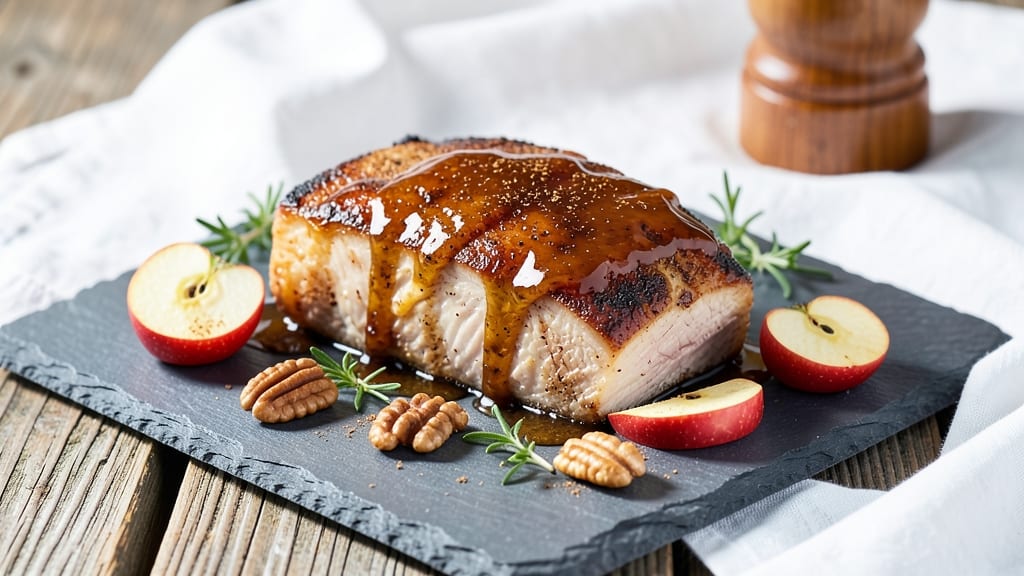
This apple glaze recipe for pork transforms ordinary pork chops or ribs into a showstopping centerpiece with its sticky-sweet caramel that clings to every bite. 💛 The secret lies in balancing apple cider, brown sugar, and vinegar until it thickens into a glossy, tangy-sweet sauce—perfect for brushing onto meat during the final minutes of cooking.
I developed this after years of experimenting with fruit glazes, and it’s the one that finally earned me compliments from even the pickiest eaters.
The magic happens in the reduction—simmering the glaze until it thickens just enough to coat a spoon but still drizzle beautifully. A pinch of cinnamon and cloves adds warmth without overpowering, while a splash of apple cider vinegar keeps the sweetness in check.
This glaze isn’t just for pork; it elevates chicken, ham, or even roasted vegetables, but pork? That’s where it truly shines.
What you’ll end up with is a deep amber glaze that caramelizes beautifully on the grill or in the oven, creating a crispy crust on the pork while keeping the meat tender inside.
The aroma alone will have everyone gathering around the table, and the first bite delivers that perfect balance of sweet, tangy, and savory. It’s the kind of sauce that turns a simple weeknight dinner into something special.
Best of all, this glaze comes together in under 30 minutes with just a handful of pantry staples. No fancy equipment or last-minute grocery runs—just a saucepan, a whisk, and patience as it reduces. Let’s make this glaze that’ll have your guests asking for seconds.
Ingredients for apple glaze recipe for pork
Nine simple ingredients transform into a glaze so rich and sticky it’ll have everyone begging for seconds.
| Ingredient | Amount | Notes |
|---|---|---|
| Apple Cider 🍎 | 1 cup | Unfiltered for best flavor |
| Light Brown Sugar 🍚 | 1 cup | Packed firmly for accuracy |
| Apple Cider Vinegar 🍶 | ¼ cup | For tangy balance |
| Granulated Sugar 🍬 | ½ cup | For extra caramelization |
| Ground Cinnamon 🌿 | 1 tsp | Warmth without overpowering |
| Ground Cloves 🌶️ | ¼ tsp | Just a pinch for depth |
| Unsalted Butter 🧈 | 2 tbsp | Full-fat for richness |
| Fresh Lemon Juice 🍋 | 1 tbsp | Brightens the glaze |
| Salt 🧂 | ¼ tsp | Kosher or sea salt |
Apple cider is the heart of this glaze—Mott’s or Woodchuck are my go-tos, but any unfiltered brand works. Brown sugar packs more moisture than white, so tap it firmly into the measuring cup. The vinegar might seem like too much, but trust me—it’s what keeps the sweetness from becoming cloying. For the spices, Penzeys or bulk bins at natural food stores give you the freshest, most aromatic cinnamon and cloves. If you’re using pre-ground spices, check the date—old spices lose their punch fast.
No apple cider vinegar? White vinegar or lemon juice at half the amount works in a pinch, though it’ll be slightly less tangy. Swapping brown sugar for white? Add an extra 1 tbsp of water to compensate for the lack of moisture. Butter too expensive? Coconut oil or olive oil keeps the richness, though butter’s flavor wins. The lemon juice can be bottled, but fresh is ideal—Mexican limes are my secret weapon for extra zing. And if you’re worried about cloves being too strong, start with just 1/8 tsp—you can always add more.
This glaze thickens as it cools, so don’t stress if it looks runny right after simmering. Store leftovers in an airtight container in the fridge for up to 2 weeks, or freeze in ice cube trays for 3 months. Reheat gently in a small saucepan with a splash of water. Pro tip: Brush extra glaze onto toasted bread for a sweet-savory snack—trust me, it’s amazing.
Why You'll Love This Recipe
- Fridge-to-Pan Magic: I swear by this glaze—just toss in apple cider, brown sugar, and a splash of vinegar while the pork roasts. No measuring cups out, no extra bowls. The simmering happens right in the same pot, and honestly? That’s my kind of cooking.
- Sweet-Savory Balance: That first bite—caramelized edges with a tangy bite from the vinegar and cinnamon? It’s like autumn in a bite. The apple cider adds depth without being cloying, and the brown sugar keeps it rich but not heavy. My picky-eater husband licks the plate clean.
- Weeknight or Holiday: This glaze works for a quick weeknight dinner or a showstopper at Thanksgiving. Slather it on pork chops for a 30-minute meal, or brush it on a whole roast for a crowd. Between us, I’ve even drizzled it over grilled chicken—no judgment.
- Leftovers That Don’t Suck: The glaze thickens beautifully when reheated, so your second night is just as good as the first. Store it in the fridge for up to a week, and it’s still budget-friendly—apple cider and spices cost pennies compared to fancy sauces. Plus, it freezes like a dream for last-minute dinners.
Step-by-step instructions for apple glaze recipe for pork
This sweet-tangy glaze clings beautifully to pork—here's how to make it shine.
🍳 Step 1: Simmer the Apple Cider and Vinegar
In a medium saucepan, combine the 1 cup apple cider and 0.25 cup apple cider vinegar. Bring to a gentle boil over medium-high heat—you'll see bubbles form along the edges. Let it simmer for 5 minutes until the liquid reduces by about one-third and becomes slightly syrupy.
Here's the thing—don't rush this step. The reduction concentrates the apple flavor and balances the sweetness. You'll notice the aroma deepen as the liquid reduces, and that's your cue it's ready for the next ingredients. If it boils too vigorously, reduce the heat slightly to prevent splattering.
🍳 Step 2: Add Sugars and Spices
Lower the heat to medium-low and whisk in the 1 cup light brown sugar and 0.5 cup granulated sugar until fully dissolved. Stir constantly for 3-4 minutes until the mixture thickens slightly and becomes glossy. This is where the magic happens—the sugars start caramelizing, creating that beautiful amber color.
Next, add the 1 tsp ground cinnamon, 0.25 tsp ground cloves, and 0.25 tsp salt. Stir for another 1-2 minutes until the spices are fully incorporated and the mixture smells like a warm autumn spice market. The cloves might seem like a tiny amount, but they add just the right depth of warmth without overpowering.
🔥 Step 3: Finish with Butter and Lemon
Remove the pan from heat and let it cool for 1 minute. Then, whisk in the 2 tbsp unsalted butter and 1 tbsp fresh lemon juice until the butter melts completely and the glaze becomes silky smooth. The butter adds richness, while the lemon juice brightens the flavors and balances the sweetness.
Here's where it gets fun—taste the glaze and adjust the sweetness or tang if needed. If it's too sweet, add a splash more apple cider vinegar. If it needs more brightness, add a tiny bit more lemon juice. The glaze should be thick enough to coat the back of a spoon but still pourable—like a thick syrup.
⏰ Step 4: Cool and Thicken
Let the glaze cool for 10-15 minutes at room temperature. As it cools, it will thicken naturally, becoming perfect for brushing onto pork. The longer it sits, the thicker it gets—this is normal and actually improves the glaze's sticking power.
If you're using the glaze immediately, you can warm it gently over low heat for 1-2 minutes to loosen it up. But if you're not using it right away, store it in an airtight container in the fridge for up to 1 week. When ready to use, warm it gently over low heat, stirring until smooth and pourable again.
Pro Tips For Making Apple Glaze Recipe For Pork
- Simmer Slow and Steady: I learned this the hard way—rushing the glaze by boiling it too fast turns it grainy. Keep the heat at a gentle simmer (medium-low) and stir every 3–4 minutes instead of letting it bubble wildly. That way, the sugars caramelize smoothly instead of seizing into a clumpy mess.
- Strain the Cider First: Apple cider has sediment, and nothing ruins a glaze faster than gritty texture. Pour the cider through a fine-mesh strainer into a bowl before adding it to the pot—yes, even if it’s "just cider." You’ll taste the difference when the glaze is silky, not scratchy.
- Balance the Vinegar: Too much apple cider vinegar makes the glaze taste harsh; too little leaves it flat. Start with 1 tablespoon per cup of cider, then adjust after tasting. If it’s too sharp, add a pinch more brown sugar. If it’s bland, a splash of vinegar or a grind of fresh cinnamon (instead of pre-ground) wakes it up.
- Thicken with Cornstarch: The glaze should coat the back of a spoon but not drip like syrup. If it’s too thin after simmering, mix 1 teaspoon cornstarch with 1 tablespoon cold water, stir it in, and cook for another 2 minutes. No one wants a glaze that pools like syrup—this guarantees a perfect, clingy finish.
Pro cooking tips for this dish
Heat Control Secrets
Start with medium-high heat when combining apple cider and vinegar—this helps the liquid reduce quickly without burning. Once the sugars enter the mix, drop to medium-low heat immediately to prevent scorching.
I’ve burned this glaze more times than I’ll admit, but I learned the hard way that patience here is key. 🔥
Whisk Like a Pro
Use a heatproof silicone whisk (I swear by OXO Good Grips) to stir constantly while the sugars dissolve. This prevents hot spots where the glaze might crystallize. When adding butter, whisk vigorously for 30 seconds to create tiny air pockets that make the glaze silky smooth.
The difference between a clumpy mess and a restaurant-quality sauce often comes down to this step.
Timing the Reduction
Your glaze should reduce by about one-third in the first 5 minutes—this concentrates the apple flavor beautifully. If it reduces too quickly, cover the pan loosely with a lid to slow evaporation.
The goal is a syrupy consistency that coats the back of a spoon but still drizzles. I test this by dipping a clean spoon into the pan and watching how it flows.
Spice Integration
Add cinnamon and cloves after the sugars dissolve to let their aromas bloom fully. Stir for 1-2 minutes to toast them slightly—this releases their essential oils and deepens the flavor.
For extra warmth, I sometimes add a pinch of nutmeg (just ¼ tsp) in the final stir. The spices should be fully dissolved, not floating as specks.
Butter Emulsion Trick
Remove the pan from heat before adding butter to prevent it from seizing up. Let it cool for 1 minute so the butter melts smoothly into the glaze. If you add it too soon, the butter will clump and create a grainy texture.
For a silkier finish, strain the glaze through a fine-mesh sieve after cooling—this catches any stray spices or butter bits.
Testing for Perfection
Taste the glaze before brushing it on pork—this is your quality control moment. If it’s too sweet, add ½ tsp more vinegar and simmer for 1 minute. If it needs brightness, squeeze in ½ tsp more lemon juice.
The glaze should taste balanced—sweet, tangy, and warm, with no single flavor dominating. This is where home cooks often go wrong, so don’t skip this step! 💫
Nutrition facts
Frequently asked questions
Can I use this apple glaze on other meats besides pork?
This glaze works beautifully on chicken thighs, ham, or even roasted vegetables like carrots and Brussels sprouts. For chicken, reduce the cooking time slightly since it cooks faster than pork. The apple-cider base makes it versatile for both sweet and savory dishes.
How do I prevent the glaze from burning when simmering?
Keep the heat at medium-low once the sugars are added—this prevents scorching. Stir constantly with a silicone whisk to distribute heat evenly. If it starts to darken too quickly, reduce the heat further or cover the pan loosely with a lid to slow evaporation.
Can I make this glaze ahead of time?
Yes! Store it in an airtight container in the fridge for up to 1 week or freeze it in ice cube trays for 3 months. Reheat gently over low heat, stirring until smooth. The glaze thickens as it cools, so you may need to add a splash of water when reheating.
What’s the best way to apply the glaze to pork?
Brush it on during the last 5-10 minutes of cooking (grilling, roasting, or pan-searing) to prevent burning. For extra shine, apply a second coat right before serving. The glaze should be warm but not boiling—this helps it stick and caramelize beautifully.
Can I substitute apple cider with apple juice?
Not ideal, but you can use unsweetened apple juice in a pinch—just add an extra 2 tbsp of sugar to compensate for the lack of vinegar’s tang. For best results, stick with apple cider, as its depth of flavor is unmatched. The vinegar is key to balancing the sweetness!