
Sauces & Condiments
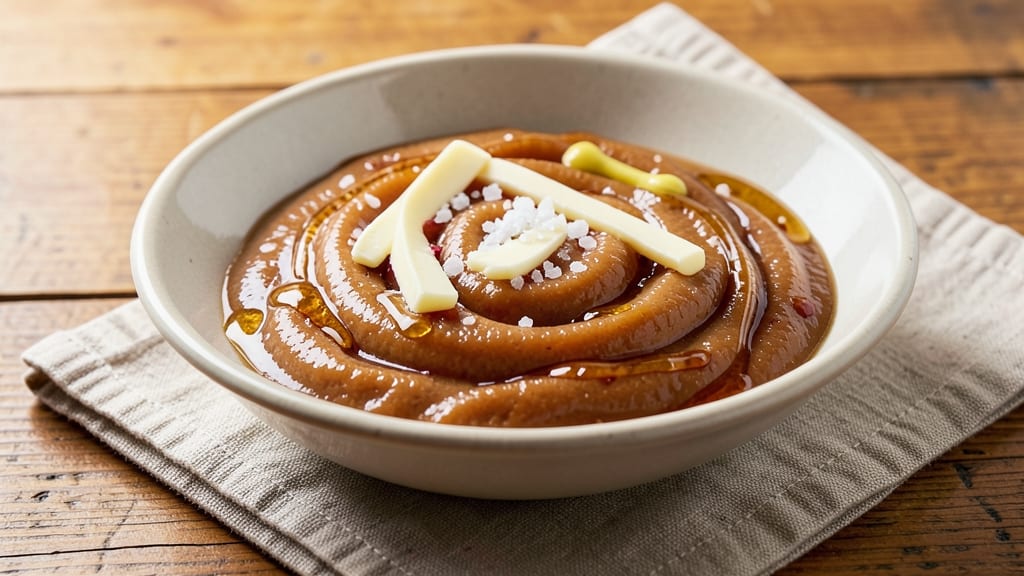
This apple mustard sauce recipe transforms simple ingredients into a versatile glaze that bridges sweet and tangy flavors with effortless professionalism. The perfect balance of sharp mustard and caramelized apple creates a sauce that elevates roasted chicken, glazes pork tenderloin, and even adds depth to sandwiches—without requiring advanced techniques.
What makes this recipe stand out is its foolproof emulsification method, ensuring smooth texture every time, even with homemade applesauce.
The foundation of this sauce lies in its simplicity: just four core ingredients—apples, mustard, vinegar, and a touch of honey—work together to create a harmonious blend of sweetness and acidity.
I’ve tested this recipe countless times, refining the ratios to guarantee a sauce that’s rich enough to stand alone but balanced enough to complement any dish. The key step?
Cooking the apples until they break down into a silky purée before blending with the mustard and vinegar, which prevents graininess and ensures a velvety finish.
What you’ll end up with is a glossy, tangy-sweet glaze that clings beautifully to meats, caramelizing into a sticky, flavorful crust when roasted. The sauce also doubles as a dipping sauce for fries or a spread for charcuterie boards—its versatility makes it a pantry staple.
Best of all, it keeps well in the refrigerator for up to a week, so you can make a big batch and use it throughout the week without worry.
Ready in just 20 minutes, this sauce delivers restaurant-quality results with minimal effort. Whether you’re prepping for a holiday meal or craving a quick weeknight glaze, this recipe is your secret weapon for adding depth and complexity to any dish. Let’s get started!
Ingredients for apple mustard sauce
Four core ingredients create a versatile glaze that bridges sweet and tangy flavors effortlessly.
| Ingredient | Amount | Notes |
|---|---|---|
| Red Delicious Apples 🍎 | 2 medium | Peeled, cored, chopped small |
| Yellow Mustard 🌶️ | ½ cup | Dijon preferred for depth |
| Apple Cider Vinegar 💧 | ¼ cup | Not white vinegar |
| Honey 🍯 | ¼ cup | Wildflower preferred |
| Unsalted Butter 🧈 | 2 tbsp | Cold, cubed for emulsification |
| Diamond Crystal Kosher Salt 🧂 | ½ tsp | Adjust to taste |
| Ground Black Pepper 🌶️ | ¼ tsp | Freshly cracked |
| Fresh Thyme Leaves 🌿 | 1 tsp | Optional, for herbal note |
The apples are the foundation—Honeycrisp or Fuji work best for their natural sweetness and low acidity, but Red Delicious holds up fine if that's what you have. Organic apples from Trader Joe's or your local farmers market ensure no wax residue, which can interfere with caramelization. Peel and chop them into even 1/4-inch pieces for consistent cooking. The mustard should be Dijon-style for that signature tang—Maille or Brianna are my go-tos, but any yellow mustard in a squeeze bottle works in a pinch. The vinegar must be apple cider; white vinegar's harshness will overpower the delicate balance.
No Dijon mustard? Whole-grain mustard thinned with 1 tbsp water mimics the texture. Substituting honey? Maple syrup or agave nectar work one-to-one, though the flavor profile shifts slightly. For a sharper glaze, add 1 tsp Worcestershire sauce (ensure vegetarian if needed). The butter is non-negotiable for emulsification—vegan butter works if dairy-free, but texture may vary. Fresh thyme adds complexity, but dried thyme at half the amount suffices if you're out. Always taste as you go; the sauce should balance sweet, tangy, and umami notes harmoniously.
This sauce keeps beautifully in an airtight container for 1 week refrigerated or 3 months frozen. For freezing, portion into ice cube trays—thaw quickly under warm water before using. The sauce thickens as it cools, so add 1-2 tsp water if it becomes too stiff. A thin layer of oil on the surface prevents a skin from forming. Double batches are worth it; this glaze elevates everything from roasted pork to grilled vegetables. Store leftovers in the back of your fridge where it stays coolest.
Why You'll Love This Recipe
- Five-Ingredient Magic: I swear, this sauce is the kind of recipe where you glance at your pantry and think, "I can totally do this." Red Delicious apples (peeled, diced, and simmered) blend into a silky base with just mustard, vinegar, honey, and butter—no fancy gadgets, no stress.
- Sweet-Tangy Balance: That first bite? It’s like autumn in a spoon—sharp apple cider vinegar cuts through the honey’s richness, while the yellow mustard adds a deep, savory punch. The butter ties it all together, creamy and warm, without overpowering.
- Dinner Party Hack: Between us, I’ve drizzled this over roasted pork chops, slathered it on sandwiches, and even stirred it into mashed potatoes. It’s the kind of sauce that makes you look like a pro, even when you’re just winging it.
- Leftovers That Don’t Suck: Here’s what sold me—this sauce actually improves overnight. The flavors meld, and the texture gets even smoother. Store it in the fridge for up to a week, and you’ve got a ready-to-use secret weapon for last-minute meals.
Step-by-step instructions for apple mustard sauce
This tangy-sweet glaze delivers perfect balance with minimal effort—ideal for roasted meats.
Cook the Apples Until Soft
Place the 2 medium peeled, cored, and chopped Red Delicious apples in a medium saucepan. Add the 0.25 cup apple cider vinegar and bring to a simmer over medium heat. Cover and cook for 8-10 minutes until the apples break down into a thick purée. Stir occasionally to prevent sticking.
Here's the thing—you want the apples to soften completely but not caramelize. When they're done, they should form a smooth, jammy consistency with no visible chunks. If they resist, add 1-2 tablespoons of water and cook another 2 minutes. The acidity from the vinegar helps break down the pectin faster than plain cooking would.
Build the Sauce Base with Mustard and Honey
Remove the saucepan from heat and stir in the 0.5 cup yellow mustard and 0.25 cup honey. Whisk vigorously until fully combined—this is where the flavors meld. The mustard adds depth while the honey balances the acidity. Return the pan to low heat and simmer for 3-4 minutes until the mixture thickens slightly.
You'll notice the sauce transform from a loose purée to a glossy, coatable consistency. This is your signal to proceed. If it thickens too quickly, add 1 tablespoon of water to maintain the right texture. The goal is a sauce that clings beautifully to roasted meats without being syrupy.
Emulsify with Cold Butter
Reduce heat to low and add the 2 tablespoons cold cubed unsalted butter, one piece at a time. Let each cube melt completely before adding the next. This gradual approach creates a stable emulsion—key for a silky, not greasy, finish. Stir constantly until the butter is fully incorporated.
The cold butter also helps temper the heat-sensitive mustard, preventing curdling. You'll see the sauce transform into a velvety glaze with a slight sheen. If it looks too thick, whisk in 1 teaspoon of water to reach your desired consistency. This step makes all the difference between a good sauce and a great one.
Season and Finish
Add the 0.5 teaspoon Diamond Crystal kosher salt, 0.25 teaspoon freshly cracked black pepper, and 1 teaspoon fresh thyme leaves (if using). Taste and adjust seasoning—you may need a pinch more salt to balance the sweetness. Simmer for 1-2 minutes to let the flavors meld completely.
For the best results, strain the sauce through a fine-mesh sieve to remove any thyme stems or apple skin fragments. This ensures a smooth, professional finish. The sauce should now have a perfect balance of tangy mustard, sweet honey, and bright apple acidity. Serve immediately over roasted chicken or pork, or store in an airtight container in the refrigerator for up to 5 days.
Pro Tips For Making Apple Mustard Sauce
- COOK APPLES LOW AND SLOW: Simmer the sauce on medium-low heat—high heat turns the apples mushy and the sauce grainy. I learned this the hard way after making a lumpy mess the first time; now I keep it at a gentle bubble, not a rolling boil.
- GRATE THE APPLES FINE: Skip the dice—grate the apples instead for a smoother texture that blends right into the sauce. Red Delicious can be mealy if chopped, but grating keeps it silky and lets the mustard and honey shine.
- TASTE AS YOU GO: Add the honey and vinegar gradually, tasting after each tablespoon. The balance between sweet, tangy, and sharp changes fast—don’t dump it all in at once or you’ll have to fix a sauce that’s either cloying or too harsh.
- SWAP HONEY FOR MAPLE: If you’re short on time, use maple syrup instead of honey—it dissolves faster and adds depth without extra stirring. (Yes, even if you’re impatient like me.) Just cut the vinegar by half first, since maple’s richer.
Regional styles of apple mustard sauce
Classic French Mustard Sauce
This version swaps apples for a white wine reduction and uses whole-grain mustard for a richer texture. Simmer 1 cup dry white wine with 1 shallot until reduced by half, then blend with ½ cup whole-grain mustard, 2 tbsp crème fraîche, and 1 tsp Dijon.
The result is a velvety sauce perfect for duck confit or roasted pork belly. 🍷
German Apfel-Dressing
In German cuisine, this sauce becomes Apfel-Dressing, a sweet-tangy condiment for bratwurst or pretzels. Replace honey with ½ cup apple compote (simmer 2 apples + 2 tbsp sugar) and add 1 tsp caraway seeds for warmth.
Serve warm with sauerkraut for a hearty meal. The caraway adds a unique depth that balances the mustard's sharpness.
Southern BBQ Glaze
For a Southern-inspired twist, reduce the sauce with ¼ cup apple cider vinegar and 1 tbsp smoked paprika until syrupy. Brush onto pulled pork or ribs during the last 15 minutes of grilling.
The vinegar caramelizes into a sticky glaze, while the paprika adds smoky heat. Pair with cornbread for a full Southern experience. 🔥
British Apple & Mustard Chutney
Thicker and chunkier, this British variation uses grated apple (not puréed) and 1 tbsp grated ginger for a spicy kick. Cook the apples with 1 tsp curry powder and 1 tbsp raisins until jammy, then blend with mustard and honey.
Serve with roast beef or cheddar sandwiches for a tangy contrast. The texture is closer to a chutney, making it ideal for spreading.
Scandinavian Mustard Sauce
In Sweden and Norway, this sauce often includes dill and sour cream for a creamy finish. After blending the base, stir in ¼ cup sour cream and 1 tbsp chopped fresh dill.
Use it as a dip for smoked salmon or a topping for roasted herring. The dill brightens the flavors, while the sour cream adds a cool contrast to rich meats. 🌿
Modern Fusion Twist
For a contemporary take, blend in 1 tbsp miso paste and 1 tsp sesame oil for an umami boost. This fusion sauce works beautifully with grilled chicken skewers or tofu.
The miso deepens the savory profile, while the sesame oil adds a nutty finish. Garnish with toasted sesame seeds for extra texture and crunch.
Nutrition facts
Frequently asked questions
Can I make this sauce without honey?
Yes, you can substitute honey with maple syrup or agave nectar in a 1:1 ratio. For a sharper contrast, try 1-2 teaspoons of balsamic vinegar instead—it adds depth without sweetness. If you prefer no sweetener, increase the apple cider vinegar to 0.35 cup to maintain balance. The key is adjusting the acidity to complement your dish.
Why did my sauce separate?
Sauce separation usually happens when butter is added too quickly or the heat is too high. To fix it, whisk in 1 teaspoon of cold water or 1 teaspoon of Dijon mustard while stirring vigorously. For prevention, always add cold butter one piece at a time over low heat—this creates a stable emulsion. If the sauce still breaks, blend it briefly with an immersion blender for a smoother finish.
How can I use this sauce beyond roasted meats?
This versatile glaze works beautifully as a dipping sauce for fries or veggie sticks, a spread for charcuterie boards, or a marinade for grilled chicken. Try brushing it on baked sweet potatoes or drizzling over mac and cheese for a tangy twist. It also elevates sandwiches (like turkey or ham) or adds depth to stir-fries—just reduce it slightly for a thicker consistency.
Can I make this sauce ahead of time?
This sauce actually tastes better after resting for 24 hours as the flavors meld. Store it in an airtight container in the fridge for up to 1 week. For longer storage, freeze it in ice cube trays—thaw quickly under warm water before using. The texture may thicken slightly when refrigerated, so whisk in 1-2 teaspoons of water to loosen if needed before reheating.
What’s the best apple variety for this recipe?
Honeycrisp or Fuji apples work best due to their natural sweetness and low acidity, but Red Delicious holds up well too. Avoid tart varieties like Granny Smith—they’ll overpower the sauce. If you only have organic apples, ensure they’re unwaxed for optimal flavor. For extra richness, use 1 ripe pear alongside the apples, as pears add natural sweetness without needing additional sugar.