
Main Courses
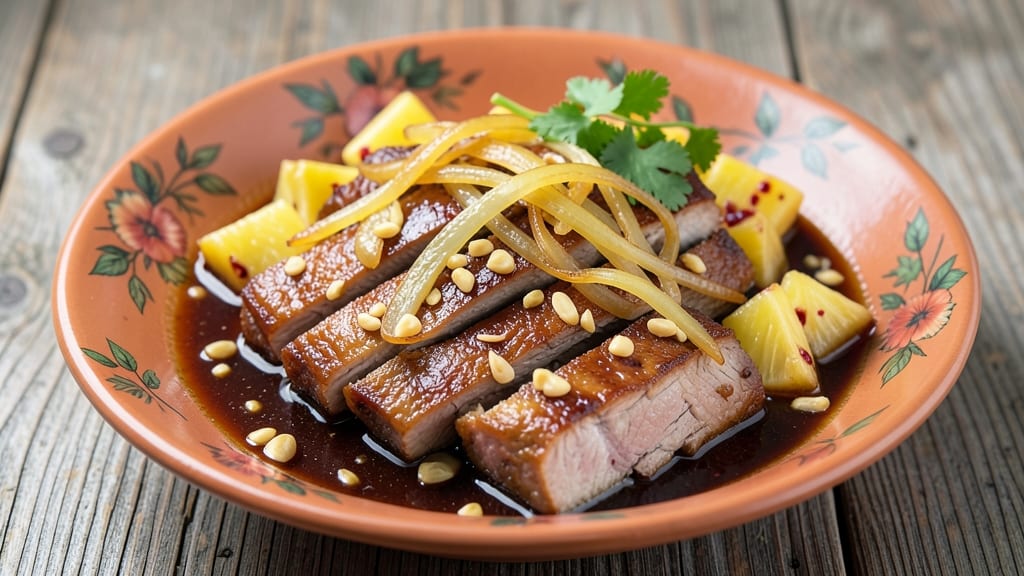
This Panlasang Pinoy pineapple pork recipe brings the bold flavors of Filipino comfort food to your table with minimal effort. 🌟 The secret lies in balancing sweet pineapple with tangy vinegar and soy sauce—a classic Filipino technique that transforms simple ingredients into something extraordinary.
I first tasted this dish at a local Filipino restaurant in Portland, where the juicy pork and caramelized pineapple had me hooked.
The beauty of this recipe is its simplicity: just a few ingredients, one pan, and about 45 minutes of hands-off cooking time. The pork gets tender and flavorful while the pineapple caramelizes into sticky, sweet perfection.
Traditional Filipino touches like soy sauce and calamansi (or lime) elevate the dish beyond basic stir-fry territory, giving it that authentic taste you crave.
By the end, you'll have juicy pork slices glistening with caramelized pineapple chunks, all bathed in a glossy, tangy-sweet sauce that's impossible to resist. Serve it over steamed rice for the full Filipino experience, or pair it with atchara (Filipino pickled papaya) for a refreshing contrast.
This dish is perfect for family dinners, potlucks, or whenever you need a taste of home.
What makes this recipe special is how it captures the heart of Filipino home cooking—simple, flavorful, and full of love. The combination of textures and flavors will have everyone asking for seconds, and the best part?
It's easy enough to make on a weeknight but impressive enough for company. Let's get cooking!
Ingredients for pineapple pork recipe panlasang pinoy
Sweet pineapple, tangy vinegar, and juicy pork—Filipino comfort food in one pan.
| Ingredient | Amount | Notes |
|---|---|---|
| Boneless Pork Shoulder 🥩 | 1 ½ lb | Cut into 1-inch slices |
| Fresh Pineapple 🍍 | 2 cups | Cubed, 1-inch pieces |
| Yellow Onion 🧅 | 1 whole | Thinly sliced, white part only |
| Garlic Cloves 🧄 | 6 cloves | Minced, fresh preferred |
| Soy Sauce 🥄 | ½ cup | Regular or light soy |
| Calamansi Juice 🍋 | ¼ cup | Or lime juice substitute |
| White Vinegar 💧 | ¼ cup | White or cane vinegar |
| Brown Sugar 🍚 | ¼ cup | Packed, light brown preferred |
| Olive Oil 🫒 | 2 tbsp | Extra-virgin for richness |
| Ground Black Pepper 🌶️ | ½ tsp | Freshly ground preferred |
| Salt 🧂 | 1 tsp | Diamond Crystal preferred |
| Fresh Ginger 🌿 | 1 tbsp | Grated, peeled root |
| Green Bell Pepper 🧅 | 1 whole | Thinly sliced, optional |
The pork makes or breaks this dish, so don't skimp on quality. Look for pork shoulder at your local butcher or Filipino market—it's more flavorful than supermarket cuts. If you can't find calamansi (the Filipino lime), lime juice works perfectly, though it's not quite the same. I always grab extra pineapple—half goes in the pan, half gets tossed on top at the end for that restaurant-style finish. The brown sugar should be packed, not scooped loosely. Trader Joe's has a great organic version that caramelizes beautifully.
No calamansi? Lime juice works in a pinch, but add a pinch of salt to mimic the saltiness. Running low on soy sauce? Coconut aminos gives a similar umami punch. The green bell pepper is optional but adds a nice crunch—skip it if you're serving kids. For extra depth, toast the brown sugar in a dry pan for 2 minutes before adding it to the sauce. Filipino markets often carry pre-minced garlic and ginger, which saves time. If you're using frozen pineapple, thaw and drain it well—excess moisture makes the sauce watery.
This dish tastes even better the next day—honestly, the flavors meld into something magical. Store leftovers in an airtight container for up to 4 days in the fridge, or freeze for 3 months. I always make a double batch because it disappears fast. The sauce thickens as it cools, so add a splash of water when reheating. Serve it over steamed rice, and if you're feeling fancy, garnish with extra pineapple and chopped cilantro.
Why You'll Love This Recipe
- One-Pan Magic: I swear by this—just toss the pork, pineapple chunks, and onions in one pan, let it caramelize, and boom. No extra pots, no fuss. The garlic and soy sauce meld into something rich while the pineapple keeps it bright.
- Sweet-Savory Balance: Here’s what sold me—the crispy edges on the pork with that sticky-sweet pineapple glaze? Honestly, it’s the kind of dish where I’ll take seconds without guilt. The onion adds depth, but the pineapple keeps it from feeling heavy.
- Leftover Reinvention: Between us, this dish begs to be reheated—better the next day, even. I’ll turn leftovers into rice bowls, sandwiches, or even a quick stir-fry. The flavors only get better as they sit, and it’s always a hit.
- Budget-Friendly Feast: Pork shoulder and pineapple stretch for miles, and I’m not kidding. This feeds four for under $15, yet it feels like a restaurant dish. Plus, the prep is so simple my kids could (mostly) handle it.
Step-by-step instructions for pineapple pork panlasang pinoy
Here's how to create this sweet-tangy Filipino classic with rich flavors in one pan.
🍳 Step 1: Sear the Pork for Maximum Flavor
Heat a large deep skillet over medium-high heat until hot. Add the 2 tablespoons olive oil and swirl to coat. Working in batches if needed, add the 1.5 lb boneless pork shoulder cut into 1-inch slices—don't overcrowd the pan. Let each piece sear undisturbed for 2-3 minutes until golden brown on both sides.
This initial searing creates a deep, caramelized crust that locks in moisture and builds complex flavors. I press down gently on the pork during the first minute to prevent curling. Once all pork is browned, remove it from the pan and set aside on a plate.
👨🍳 Step 2: Build the Sweet-Tangy Sauce Base
In the same skillet (no need to clean it—those browned bits are flavor gold), add the thinly sliced white part of 1 whole yellow onion. Cook for 3-4 minutes until softened and translucent. Add the 6 cloves minced garlic and 1 tablespoon grated fresh ginger, cooking for 30 seconds until fragrant.
I like to add the 2 cups cubed fresh pineapple now and let it caramelize slightly for 2 minutes—this develops deeper sweetness. Pour in the 0.5 cup soy sauce, 0.25 cup white vinegar, and 0.25 cup brown sugar, stirring to combine. Let this mixture bubble for 3-4 minutes until slightly thickened.
🔥 Step 3: Simmer the Pork in Flavorful Sauce
Return the seared pork to the skillet, spooning the sauce over the top. Add 0.25 cup calamansi juice (or lime juice), 1 teaspoon salt, and 0.5 teaspoon ground black pepper. Stir gently to coat everything evenly. Bring to a simmer, then reduce heat to medium-low.
Cover and let it cook for 20-25 minutes until the pork is tender when pierced with a fork. I check for doneness by testing the thickest piece—it should pull apart easily. If the sauce reduces too much before the pork is done, add 2-3 tablespoons water to maintain moisture.
🥘 Step 4: Finish with Green Bell Pepper (Optional)
When the pork is nearly tender, add the thinly sliced whole green bell pepper (if using) and cook uncovered for 5-7 minutes until the sauce thickens slightly and the peppers soften. The bell pepper adds a nice crunch and freshness that balances the sweetness.
Here's where it gets good—taste and adjust seasoning. I often add a pinch more salt or a splash of vinegar if the sauce needs more tang. The perfect balance should be sweet from the pineapple and sugar, tangy from the vinegar and calamansi, and savory from the soy sauce.
⏰ Step 5: Rest and Serve with Perfect Texture
Transfer the pineapple pork to a serving platter, spooning the sauce over the top. Let it rest for 5 minutes—this allows the juices to redistribute so each bite stays moist. Serve immediately with steamed rice to soak up all that delicious sauce.
Real talk: the sauce will thicken as it cools, so serve while warm. Each bite should deliver tender pork, juicy pineapple, and a perfect balance of sweet, tangy, and savory flavors. Leftovers? They taste even better the next day—just reheat gently with a splash of water.
Pro Tips For Making Pineapple Pork Recipe Panlasang Pinoy
- SEAR THE PORK FIRST: After burning three batches of pineapple pork where the meat turned mushy, I finally learned to sear the pork shoulder in chunks—no need for fancy cuts—over medium-high heat until deep golden brown. This locks in flavor and keeps the meat tender when it braises later, not rubbery. (Yes, even if you’re impatient like me, resist the urge to rush this part.)
- USE CORE PINEAPPLE CHUNKS: Fresh pineapple is non-negotiable, but skip the skin and fibrous core—it’s tough and ruins texture. Cut into 1-inch cubes from the juicy center, and save the rind for smoothies. The acidity needs to mingle with the pork, not fight it.
- DEGLAZE WITH SOY SAUCE: After browning the pork and onions, don’t just splash water in the pan—pour in 2 tablespoons of soy sauce first. Let it bubble for 30 seconds to lift all those caramelized bits (the pinoy flavor magic) before adding liquid. This makes a richer base than plain water ever could.
- COVER AND SIMMER LOW: Once everything’s in the pot, crank the heat to high for 5 minutes to get the sauce bubbling, then drop it to a bare simmer. Cover tightly and walk away—this recipe needs 45-60 minutes of gentle cooking, not your undivided attention. The pork will stay juicy, and the pineapple won’t turn to mush. (Your future self will thank you.)
Best sauces and condiments for pineapple pork recipe panlasang pinoy
Filipino Soy Sauce Magic
This dish thrives on the umami depth from soy sauce, but not just any soy sauce—Filipino light soy sauce (or patis) is ideal for that authentic tang.
I stock up on Silver Swan brand when I visit Filipino markets in Portland, but Kikkoman light soy sauce works in a pinch. The key is to reduce the sauce with the onions and garlic to concentrate those savory flavors. 🥄
For extra richness, I sometimes add 1 tablespoon fish sauce (like Red Boat) to the sauce base—this adds a briny depth that complements the sweet pineapple perfectly.
If you're avoiding fish sauce, a splash of oyster sauce (about 1 tablespoon) gives a similar umami punch without the fishy taste. Just remember: start with less and taste as you go!
Tangy Twist with Calamansi
The calamansi juice (or lime substitute) is what makes this dish truly sing—its bright acidity cuts through the sweetness and balances the soy sauce. If you can't find calamansi, lime juice works, but add an extra pinch of salt to mimic its saltiness.
For a stronger Filipino flavor, mix equal parts lime juice and vinegar—this combo mimics the tangy profile of calamansi better than lime alone. 🍋
Pro tip: If you're using fresh calamansi, strain out the seeds and pulp for a smoother sauce. I once made the mistake of leaving them in, and the texture was grainy—definitely not ideal for this dish.
For extra zing, add a thin slice of calamansi or lime to each serving as a garnish!
Sweet Caramelization Secrets
The brown sugar is crucial for that signature caramelized finish, but how you incorporate it matters. I like to toast the brown sugar in the pan for 1-2 minutes before adding the other liquids—this deepens its flavor and prevents clumping.
For a deeper caramel color, add 1 teaspoon cornstarch to the sugar before toasting; it helps create that glossy, restaurant-quality sheen. 🍚
If you're watching your sugar intake, reduce the brown sugar to 2 tablespoons and add 1 teaspoon honey instead. The honey adds natural sweetness without the same level of caramelization, but it still works in a pinch.
For a healthier twist, try coconut sugar—it has a lower glycemic index and adds a subtle molasses note that pairs beautifully with the pineapple.
Vinegar Varieties for Depth
While white vinegar is traditional, cane vinegar (like Filipino patis) adds a deeper, slightly malty flavor that elevates the dish. If you can't find cane vinegar, apple cider vinegar is a great substitute—it adds a fruity complexity that complements the pineapple.
For a bold kick, add 1 teaspoon soy vinegar (available at Asian markets) to the sauce base; it’s fermented and adds an extra layer of umami. ⚡
Never skip the vinegar—it’s what prevents the dish from becoming too sweet. I once forgot to add it, and the result was cloyingly sweet. The vinegar also helps tenderize the pork slightly during cooking.
If your sauce tastes too sharp, balance it with a pinch more brown sugar or a splash of pineapple juice.
Garnish Game-Changers
Fresh cilantro or green onions add a bright, herbaceous note that cuts through the richness. I like to chop 2 tablespoons cilantro and sprinkle it over the dish right before serving—it adds color and freshness.
For a smoky touch, add ½ teaspoon smoked paprika to the sauce at the end. If you're feeling fancy, top with toasted coconut flakes (about 1 tablespoon) for a sweet, crunchy contrast. 🌿
Don’t underestimate the power of extra pineapple as a garnish! Toss ½ cup fresh pineapple chunks with a pinch of salt and a squeeze of lime, then arrange them artistically on top. This not only looks stunning but also adds a juicy, sweet contrast to each bite.
For a spicy kick, add red chili flakes or sliced Thai chilies—just a pinch is enough to wake up the flavors!
Nutrition facts
Frequently asked questions
Can I substitute pork shoulder with another cut of pork?
For this dish, pork tenderloin works beautifully—it cooks faster (about 15 minutes instead of 25) and stays tender. If using tenderloin, slice it ½-inch thick and reduce cooking time by 10 minutes. For a heartier option, try pork belly (cut into ½-inch slices), but increase cooking time to 35 minutes and add 1 extra tablespoon soy sauce to balance the fat.
How do I make this dish less sweet for a more balanced flavor?
Start by reducing the brown sugar to 2 tablespoons and swap the remaining 1 tablespoon with 1 teaspoon honey or coconut sugar. Boost the tang by adding 1 extra tablespoon vinegar or ½ teaspoon fish sauce for umami depth. For a sharper contrast, increase the calamansi/lime juice to ⅓ cup. Taste as you go—Filipino dishes thrive on balance, so adjust gradually!
Can I make this recipe in a slow cooker or Instant Pot?
Both work wonderfully! For a slow cooker, sear the pork first, then combine everything (except pineapple) in the pot and cook on LOW for 4-5 hours or HIGH for 2-3 hours. Add pineapple in the last 30 minutes to prevent mushiness. For an Instant Pot, use the SAUTE function to sear pork, then add all ingredients and cook on HIGH pressure for 20 minutes. Release pressure naturally, then stir in pineapple. Both methods yield tender pork with a slightly thicker sauce!
What’s the best way to store and reheat leftovers?
Store leftovers in an airtight container in the fridge for up to 4 days or freeze for 3 months. To reheat, add 1-2 tablespoons water and cover the pan. Warm over medium-low heat for 5-7 minutes, stirring occasionally, until heated through. For microwave reheating, cover with a damp paper towel and heat in 30-second intervals, stirring between each. The sauce thickens when chilled, so a splash of water or pineapple juice helps restore its glossy texture.
Why did my pineapple turn mushy in the dish?
Pineapple softens quickly when cooked—this happens when it’s added too early or cooked at high heat. To fix it, add pineapple only in the last 5-7 minutes of cooking. For extra firmness, use fresh pineapple (not canned) and cut it into slightly larger chunks (about 1.5-inch). If you’ve already cooked it too long, drain excess liquid and stir in 1 teaspoon cornstarch mixed with 1 tablespoon water to thicken the sauce and reduce mushiness.