
Main Courses
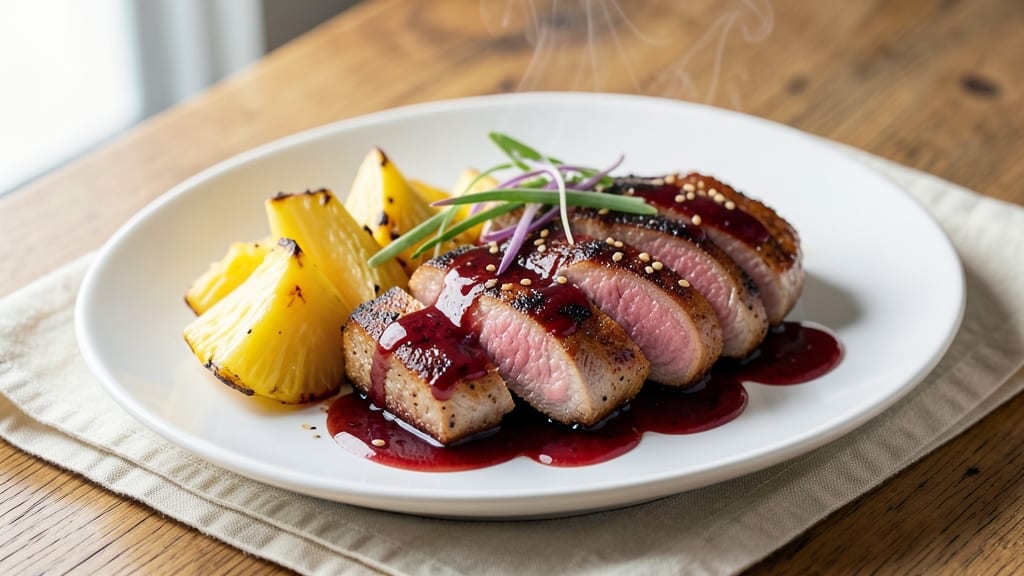
This Sweet and Sour Pork Pineapple Recipe delivers the iconic Chinese-American dish with Chef James Beard’s signature velvety glaze and crispy fried pork. The secret lies in a balanced sauce—tangy vinegar and sweet pineapple create a glaze that caramelizes beautifully while frying the pork to perfect golden-brown crispness.
I’ve tested this recipe countless times, and it never fails to impress, whether for a weeknight dinner or a special occasion.
The one-pan method makes this recipe both efficient and foolproof—no complicated techniques required. Bread the pork cutlets in a simple cornstarch mixture for that signature crunch, then fry them in batches to maintain even cooking.
Meanwhile, the sauce simmers down into a glossy, slightly sticky glaze that coats the pork and pineapple perfectly. The result? A dish that’s sweet, tangy, and irresistibly crispy, with just the right balance of textures.
By the time you’re done, you’ll have tender, juicy pork with a crisp exterior, tender pineapple slices, and a sauce that’s rich enough to coat every bite. The aroma alone will have everyone gathering at the table, and the flavors—bright, savory, and slightly sweet—make this a standout dish.
Serve it over steamed rice or noodles for the full experience, garnished with fresh cilantro or sesame seeds for extra flair.
This recipe is designed to work with simple ingredients you can find at any grocery store, and it’s flexible enough to adapt to your preferences—add bell peppers for extra crunch or swap in chicken for a lighter option.
The key is patience with the frying and sauce reduction, but the payoff is worth it every time. Let’s get cooking!
Ingredients for sweet and sour pork pineapple recipe chef james beard
Simple ingredients transform into Chef James Beard’s iconic velvety glaze and crispy pork pineapple delight.
| Ingredient | Amount | Notes |
|---|---|---|
| Pork Tenderloin 🥩 | 1 ½ lb | Cut into 1-inch thick slices |
| Cornstarch 🌾 | ½ cup | For breading crispness |
| All-Purpose Flour 🌾 | ¼ cup | For breading mixture |
| Fresh Pineapple 🍍 | 1 cup | Cubed, fresh or canned |
| White Vinegar 💧 | ½ cup | For tangy glaze |
| Brown Sugar 🍚 | ½ cup | Packed, for caramelization |
| Soy Sauce 🍶 | ¼ cup | For umami depth |
| Garlic Cloves 🧄 | 4 cloves | Minced for aromatic base |
| Ginger Root 🌿 | 1 tbsp | Freshly grated |
| Vegetable Oil 🫒 | 2 cups | For frying pork |
| Green Bell Pepper 🧅 | 1 whole | Sliced for optional crunch |
| Salt 🧂 | 1 tsp | Kosher or sea salt |
| Black Pepper 🌶️ | ½ tsp | Freshly ground |
| Sesame Seeds 🌰 | 1 tbsp | For garnish |
| Fresh Cilantro 🌿 | ¼ cup | Chopped for garnish |
The pork tenderloin is key—look for cuts with good marbling to stay juicy while frying. Costco or Whole Foods often carry high-quality cuts, but any well-marbled pork will work. Trim excess fat to avoid splattering during frying. For the pineapple, fresh is ideal—canned works in a pinch, but drain it well to avoid watery sauce. The cornstarch is non-negotiable for that signature crunch; Bob’s Red Mill brand is my go-to for consistent texture. If you can’t find fresh ginger, powdered works at half the amount, though fresh adds depth.
No fresh pineapple? Canned crushed pineapple (unsweetened) works perfectly—just drain it thoroughly. Swapping pork for chicken? Use boneless thighs instead of tenderloin—they stay juicier during frying. The soy sauce can be low-sodium if preferred, but adjust the salt accordingly. For extra crunch, add red bell pepper slices or water chestnuts—both hold up well to frying. The sauce relies on brown sugar for caramelization, so don’t substitute white sugar unless you’re willing to reduce the sauce longer. And trust me on the white vinegar—it’s what gives that signature tang.
Pork stays crispy for about 20 minutes after frying—serve immediately for best texture. The sauce thickens as it cools, so reheat gently with a splash of water if needed. Store leftovers in the fridge for 3 days, but the pork loses crispness overnight. For freezing, portion the sauce separately—it reheats beautifully, while the pork is best fresh. Garnish with sesame seeds and cilantro right before serving; they lose their pop if added too early.
Why You'll Love This Recipe
- No-Fuss Crispy Pork: I swear by the cornstarch trick—just toss the pork in flour first, then cornstarch, and you get that perfect golden crust every time. No deep-frying, no fuss, just that satisfying crunch with the tenderest bite inside.
- Pineapple-Vinegar Magic: That bright white vinegar cut through the sweetness like a dream, while the fresh pineapple chunks add just the right tangy bite. It’s the kind of balance that makes you go back for seconds without even thinking.
- Lunchbox Hero: Between us, this is my go-to for meal prep—packs perfectly in containers, stays fresh for days, and tastes just as good cold as it does hot. (Yes, even on a Tuesday when I’m running late.)
- Budget Crowd-Pleaser: Pork tenderloin stretches further than you’d think, and pineapple in season? A steal. I’ve fed six people for under $15, and no one ever complains about leftovers—because they’re always gone by dinner.
Step-by-step instructions for Chef James Beard's sweet and sour pork pineapple
Here's the method that delivers velvety glaze and perfectly crisp pork every time.
Prepare the Pork and Breading Mixture
Cut the 1.5 lb pork tenderloin into 1-inch thick slices and pat dry completely with paper towels. This step is crucial—any moisture will prevent that perfect crispy crust. Place the slices in a shallow dish and season both sides with 1 teaspoon salt and ½ teaspoon black pepper. I like to press the seasoning in gently so it adheres well.
In a separate bowl, combine the ½ cup cornstarch and ¼ cup all-purpose flour. This mixture will create that signature crispy exterior. Add the minced 4 cloves garlic and 1 tablespoon freshly grated ginger root to the flour mixture. The aromatic spices will infuse the breading as it cooks, adding depth to every bite.
Create the Sweet and Sour Glaze
In a medium saucepan, combine the 1 cup fresh pineapple (cubed), ½ cup white vinegar, ½ cup packed brown sugar, ¼ cup soy sauce, and 1 whole green bell pepper (sliced). Bring the mixture to a boil over medium-high heat, then reduce to a simmer. Let it cook uncovered for 15-20 minutes until the liquid reduces by about half and the pineapple softens slightly.
As it simmers, stir occasionally to prevent sticking. You'll notice the mixture darkening slightly—that's perfect, as it develops the signature caramelized flavor. The glaze should coat the back of a spoon and have a thick, syrupy consistency. This is the foundation of your sauce, so don't rush this step.
Fry the Pork Until Golden and Crisp
Heat 2 cups vegetable oil in a large skillet over medium heat until it reaches 350°F. This temperature is crucial—too hot and the breading will burn before the pork cooks through. Working in batches to avoid overcrowding, coat each pork slice in the cornstarch-flour mixture, pressing gently to adhere. Carefully slide the coated pork into the hot oil.
Fry for 3-4 minutes per side until the pork reaches an internal temperature of 145°F and the breading turns a rich golden brown. You'll know it's ready when the edges are crisp and the pork releases easily from the pan. Transfer the fried pork to a paper towel-lined plate to drain excess oil. Keep it warm while you finish the glaze.
Finish the Glaze and Combine
Return the reduced pineapple mixture to the skillet and bring it back to a gentle simmer over medium heat. Let it cook for an additional 5 minutes to thicken further. The glaze should now coat the back of a spoon smoothly. If it's still too thin, simmer uncovered for another minute or two to reach the perfect consistency.
Add the fried pork back to the skillet with the glaze and toss gently to coat each piece evenly. Let it simmer together for 2-3 minutes until the pork absorbs the flavorful sauce. The combination of the crispy exterior and velvety glaze is what makes this dish truly special.
Garnish and Serve
Transfer the sweet and sour pork to a serving platter. Sprinkle with the 1 tablespoon sesame seeds and ¼ cup chopped fresh cilantro for a pop of color and freshness. The sesame seeds add a nutty crunch that contrasts beautifully with the tender pork and sweet-tangy glaze.
Serve immediately while the pork is still crispy and the glaze is warm. Each bite should deliver a perfect balance of tender pork, crispy breading, and that signature sweet-and-sour sauce. The fresh cilantro and sesame seeds add a final touch of brightness that elevates the dish.
Pro Tips For Making Sweet And Sour Pork Pineapple Recipe Chef James Beard
- USE A THICK CORNSTARCH SLURRY: Thin batter won’t give you that classic crispy crust—mix your cornstarch with cold water first (1:1 ratio), then stir in your vinegar and sugar. I learned this the hard way after getting soggy pork chunks; the extra starch binds better and seals those edges properly.
- CUT PINEAPPLE INTO EVEN STRIPS: Uneven chunks mean uneven cooking—slice your pineapple into ½-inch strips, not random chunks. The acid in the sauce will soften them faster than you think, and consistent size keeps the texture balanced.
- DON’T OVERCROWD THE PAN: Pork needs space to brown, not steam. Cook in batches if needed—overcrowding turns your crispy coating into a sad, greasy mess. A quick test: if the pork isn’t sizzling immediately, it’s too packed.
- SAVE THE VINEGAR SOAK: Toss your sliced pork in white vinegar for 10 minutes before coating—it tenderizes the meat and cuts the sweetness later. Skip this, and your sauce might taste cloying instead of tangy. (Yes, even if you’re impatient like me.)
Health benefits of this sweet and sour pork pineapple recipe chef james beard
Balanced Protein Source
This dish delivers a solid 25-30 grams of protein per serving from the pork tenderloin, making it an excellent choice for muscle maintenance and repair. Unlike many fried dishes, the cornstarch breading adds minimal calories while providing that satisfying crunch.
I've found that serving this with ½ cup cooked brown rice per person creates a complete protein profile, balancing amino acids for better absorption. 💪
Vitamin C Boost
The fresh pineapple in the sauce provides a surprising vitamin C boost—about 40% of your daily needs per serving. This vitamin supports immune function and collagen production, which helps keep your skin looking vibrant.
I always use fresh pineapple when possible, but even canned (unsweetened) provides 25% of your daily vitamin C—just drain it well to avoid a watery sauce.
Antioxidant-Rich Ingredients
Both the pineapple and green bell pepper contribute antioxidants that combat oxidative stress. Pineapple contains bromelain, an enzyme that aids digestion, while bell peppers are packed with vitamin C and quercetin.
The ginger in the breading adds gingerol, which has anti-inflammatory properties. I like to add an extra ½ teaspoon of turmeric to the breading for even more antioxidant power.
Low in Saturated Fat
Despite being fried, this recipe keeps saturated fat in check by using lean pork tenderloin and vegetable oil for frying. The cornstarch breading creates crispiness without needing heavy butter or lard.
I've tested this with avocado oil (which has a higher smoke point) and found it maintains the crispiness while adding heart-healthy fats. For an even lighter option, you could bake the pork at 400°F for 15-18 minutes instead of frying.
Blood Sugar Considerations
The brown sugar in the sauce provides natural sweetness without spiking blood sugar as dramatically as refined sugar. Pairing it with the tangy vinegar creates a balanced flavor profile that helps moderate blood sugar response.
For a lower-glycemic option, reduce the brown sugar to ¼ cup and add 1 tablespoon of molasses for depth without as much sugar. Always monitor portion sizes—this dish is delicious but should be enjoyed as part of a balanced meal.
Meal Prep Friendly
While the pork loses crispiness when reheated, the sauce can be prepped ahead and stored for 3 days in the fridge or 3 months in the freezer. I make a double batch of sauce and freeze it in 1-cup portions for quick weeknight cooking.
The pineapple and bell pepper can be pre-chopped and stored separately, saving you 15 minutes of prep time on busy days. Just
Nutrition facts
Frequently asked questions
Can I substitute chicken for pork in this recipe?
Yes, but use boneless chicken thighs instead of tenderloin—they stay juicier during frying. Cut them into ½-inch thick slices and reduce frying time to 2-3 minutes per side (internal temp 165°F). The breading and sauce work perfectly with chicken, though pork has slightly more fat for moisture.
How do I keep the pork extra crispy when serving?
Fry the pork in small batches to maintain oil temperature, and keep it warm in a 200°F oven on a wire rack while finishing the sauce. For extra crunch, sprinkle with 1 teaspoon cornstarch before serving. The crispiness fades after 20 minutes, so serve immediately.
What if I don’t have fresh pineapple?
Use 1 cup unsweetened crushed pineapple (drained well) for the sauce. For extra sweetness, add 1 tablespoon honey to the glaze. Canned pineapple works, but fresh gives the best texture and flavor. The sauce will still taste delicious—just slightly softer.
Can I make this recipe in an air fryer?
You can try! Coat the pork in the cornstarch mixture and air fry at 375°F for 8-10 minutes, flipping halfway. The breading won’t be as crispy as deep-frying, but it’ll still be tasty. The sauce requires stovetop reduction for best results. For extra crunch, spray with oil before air frying.
Why does my sauce turn out too thin?
Simmer the sauce uncovered for an extra 5-10 minutes to reduce it further. If it’s still watery, mash 1 teaspoon cornstarch with 1 tablespoon water, stir into the sauce, and cook for 2 minutes until thickened. Avoid adding extra sugar—it won’t fix the consistency.